As 2024 draws to a close and we prepare to welcome 2025 in another week or so, it is time yet again to reflect on the defining trade policy developments that shaped these past twelve months. This year unfolded against a backdrop of persistent geopolitical tensions, an escalating climate crisis, and economic uncertainty. Yet, amidst these challenges, we also witnessed a resurgence in global trade growth, some landmark trade agreements, and other notable developments, including right here in the Caribbean.
Here are my picks for the top five trade stories that left their mark in 2024.
1. Global Trade Hits Record High Amid Uncertain Outlook
According to UN Trade and Development (UNCTAD) in its latest Global Trade Update, global trade will surge to an unprecedented $33 trillion in 2024, surpassing its 2022 record, and growing by 3.3% over 2023 levels. This impressive growth was driven by a robust 7% expansion in services trade, offsetting the more modest 2% growth in merchandise trade, which remains below its 2022 peak. However, the growth pattern was uneven, with developed regions taking the lead in the third quarter.
While UNCTAD predicts a positive start to 2025, it notes that potential escalation in trade wars, geopolitical instability, and the increasing adoption of industrial policies by major economies add layers of uncertainty.
The World Trade Organization’s (WTO) latest G20 Trade Measures report highlights a notable uptick in trade restrictions and the proliferation of climate-focused support measures by G20 countries, underscoring the complex relationship between protectionism and sustainability.
2. Barbados Hosts Inaugural Global Supply Chain Forum
In May, Barbados made history by co-hosting the first-ever Global Supply Chain Forum with UNCTAD. This groundbreaking event convened global leaders, experts, and stakeholders to tackle the critical issues of sustainable and resilient transport and logistics in Small Island Developing States (SIDS).
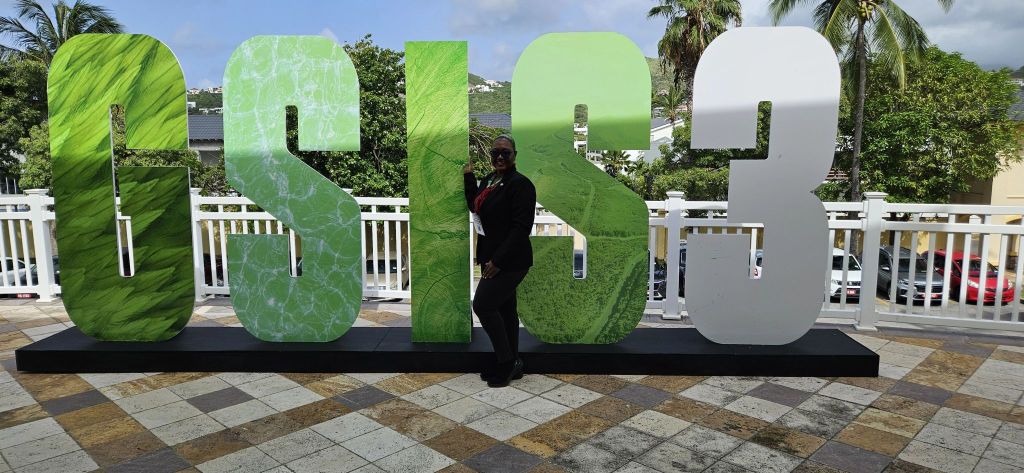
The Forum culminated in the adoption of the Barbados Ministerial Declaration, a pivotal contribution to the Fourth International Conference on SIDS (SIDS 4) held in Antigua & Barbuda shortly thereafter. As an attendee of both events, I would like to once again extend kudos to the organisers on two very well organised events which exemplified the Caribbean region’s role in contributing to global discussion and action on key trade and development issues.
3. WTO Director-General Ngozi Okonjo-Iweala Secures Second Term
In November, World Trade Organization (WTO) Director-General Dr. Ngozi Okonjo-Iweala was appointed by the General Council via consensus to a second four-year term starting September 1, 2025. Her leadership comes at a critical juncture, with the WTO navigating legacy reforms and heightened trade tensions. Dr. Okonjo-Iweala’s four-year vision encompasses a WTO that delivers results, modernises to remain relevant, and capitalises on emerging trade opportunities. Her agenda includes finalising agreements on the outstanding agenda of the fisheries subsidies agreement (Fish 2) and Investment Facilitation for Development and preparing for the 14th Ministerial Conference (MC14) in Cameroon in 2026.
4. Landmark Trade Agreements and Ongoing Negotiations
This year saw several landmark trade agreements. The European Union and four Mercosur countries (Argentina, Brazil, Paraguay, and Uruguay) finalized a historic deal after 25 years of negotiations. This agreement promises to deepen economic cooperation and includes provisions addressing deforestation concerns, a contentious point during talks.
In November, Costa Rica, Iceland, New Zealand, and Switzerland signed the Agreement on Climate Change, Trade, and Sustainability, setting a precedent for integrating climate and sustainability goals into trade agreements. Meanwhile, the African Continental Free Trade Area (AfCFTA) launched its operationalization phase with five key instruments adopted, marking a significant leap for intra-African trade.
Closer to home, Trinidad & Tobago and Curaçao advanced negotiations on a partial scope agreement, expected to conclude in 2025.
5. Donald Trump’s Re-election and Its Trade Implications
Campaigning on promises of reshoring manufacturing and imposing hefty tariffs, incoming US President Donald Trump’s second term is poised to once again reshape U.S. trade dynamics. He has already threatened more tariffs on China, as well as tariffs on its US-Mexico-Canada (USMCA) free trade agreement partners: Canada and Mexico. Increased US tariffs on imports from its major trading partners, and retaliatory tariffs by these trading partners could signal potential disruption to the global trade landscape.
Trade analysts are bracing for ripple effects, including retaliatory measures and a potential pivot toward greater unilateralism. The implications for the multilateral trading system and global economic stability will undoubtedly be profound, making this a development to watch in the coming months.
Looking Ahead
At the CTLD Blog, we remain committed to delivering insights on the evolving trade landscape. As we bid farewell to 2024, I extend my heartfelt gratitude for your readership and engagement throughout the year. Here’s wishing you and your families a joyful holiday season and a prosperous 2025. Stay tuned as we continue to unpack the stories shaping global trade in 2025!
Alicia Nicholls, B.Sc., M.Sc., LL.B. is an international trade and development specialist and the founder of the Caribbean Trade Law and Development Blog: www.caribbeantradelaw.com.
Barbados has once again positioned itself as a global trailblazer, completing what it calls the world’s first debt-for-climate resilience swap, a groundbreaking financial arrangement that frees up USD$165 million for critical investments in water infrastructure, food security, and environmental protection. This bold move not only addresses urgent climate adaptation needs but also underscores Barbados’ commitment to sustainable development and ESG (Environment, Social, and Governance) principles.
This initiative is a watershed moment for small island developing states (SIDS) and other climate-vulnerable nations facing the triple crises of high debt, climate change, and biodiversity loss. But what does this deal mean in the broader context of global sustainability, and can it serve as a template for other countries grappling with similar challenges?
What Is a Debt-for-Climate Resilience Swap?
In essence, a debt-for-climate resilience swap involves a country negotiating with its creditors to restructure or reduce its sovereign debt in exchange for commitments to invest in climate resilience or biodiversity conservation. In Barbados’ case, the funds will be channeled into:
Water infrastructure projects: Including the construction of a new South Coast Water Reclamation and Reuse Facility to more than double water availability by 2050.
Environmental protection: Investments in mangrove conservation and water restoration.
This model allows governments to reallocate resources from debt servicing to vital climate adaptation measures. For creditors, it’s an opportunity to support global public goods like biodiversity conservation while safeguarding their financial interests.
Why Debt Swaps Matter for SIDS and Climate-Vulnerable Countries
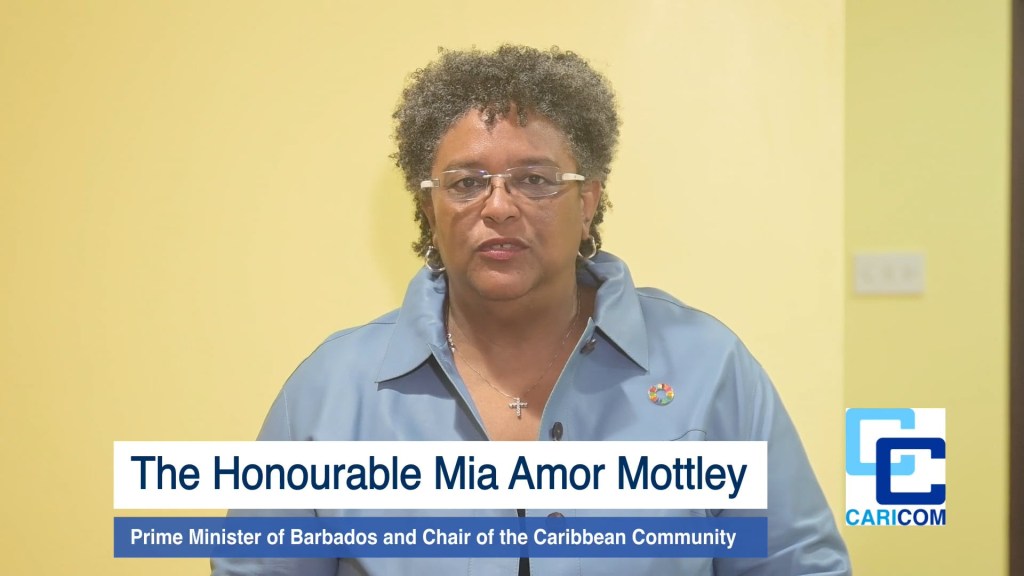
Barbados’ Prime Minister Mia Mottley aptly describes this transaction as a model for other vulnerable states. Small island nations like Barbados are the “canaries in the coal mine” of climate change, grappling with rising sea levels, more frequent hurricanes, and dwindling freshwater resources.
Water Scarcity in Barbados
Barbados is one of the most water-scarce nations in the world. Climate change exacerbates this scarcity, threatening not just daily life but also economic activities like agriculture. The New South Coast Water Facility, financed through the swap, aims to alleviate these challenges by increasing water availability and reducing pollution in the Caribbean.
The Debt Crisis
Debt burdens severely limit the ability of developing nations to invest in climate resilience. According to the UN Conference on Trade and Development (UNCTAD), global sovereign debt reached a staggering USD$92 trillion in 2022. More than 50 of the poorest countries are on the brink of default, with some spending more on interest payments than on health or education.
Barbados’ debt restructuring initiative is part of a broader effort to reduce its debt-to-GDP ratio from 105% to 60% by 2036.
Global Examples and Lessons Learned
Barbados is not alone in leveraging debt swaps to address climate challenges:
Belize: A 2021 debt-for-nature deal reduced its debt by 12% of GDP and unlocked USD$180 million in long-term conservation funding, helping protect the Western Hemisphere’s longest coral reef.
Ecuador: Converted USD$1.6 billion of debt into USD$12 million annually for Galápagos Islands conservation, under the world’s largest debt-for-nature deal.
Seychelles: Pioneered marine debt-for-nature swaps, safeguarding its ocean territory while alleviating fiscal pressures.
These examples illustrate how debt swaps can provide fiscal relief, protect biodiversity, and attract new actors and financing mechanisms into the climate action space.
The Bridgetown Initiative: Reimagining Global Finance
Barbados’ efforts are closely tied to the Bridgetown Initiative, a global movement led by Prime Minister Mottley to reform the international financial architecture. Key proposals include:
Redefining loan terms: Preventing nations from spiraling into debt crises after climate disasters.
Mobilizing USD$1 trillion for climate resilience: Through development banks and discounted lending for vulnerable countries.
Establishing a global reconstruction mechanism: Backed by private-sector investment to fund post-disaster recovery.
The initiative recognizes that the current financial system, designed in a post-World War II era, is ill-equipped to address today’s challenges, including systemic inequality and climate change.
Challenges and Limitations of Debt Swaps
Despite their promise, debt-for-nature and debt-for-climate swaps are not panaceas. Critics highlight several challenges, which include:
Limited scale: While impactful, the financial relief from debt swaps is often small relative to the scale of global adaptation needs, estimated at USD$359 billion annually by the United Nations.
Complexity: These transactions require extensive negotiations, partnerships, and upfront financing, which can deter broader adoption.
Dependency on grants and private investment: Debt swaps cannot replace the need for concessional financing, grants, or private sector participation.
A recent IMF report underscores that while debt swaps are valuable, they must complement—not replace—comprehensive debt restructuring and other financial tools.
A Blueprint for the Future?
Barbados’ leadership sets an example of how innovative finance can align debt management with sustainable development goals. The country’s latest debt swap, bolstered by guarantees from institutions like the European Investment Bank and Inter-American Development Bank, illustrates the power of partnerships. This approach also offers co-benefits, such as potential credit rating upgrades, as seen in Belize, which can lower borrowing costs and unlock further investment opportunities. For countries in the Global South, debt swaps could:
Enhance fiscal space: Freeing up resources for health, education, and climate action.
Attract international support: By demonstrating strong commitments to ESG principles.
Foster resilience: By addressing both immediate adaptation needs and long-term sustainability.
Conclusion
Barbados’ debt-for-climate resilience swap is not just a financial transaction; it’s a bold declaration that climate action and fiscal responsibility can—and must—go hand in hand. As more countries explore similar arrangements, the potential for scaling up global climate finance becomes evident. However, achieving transformative change requires systemic reform, including:
Expanding access to concessional financing for vulnerable nations.
Enhancing the efficiency and scope of global financial institutions.
Prioritizing sustainable development in creditor-debtor negotiations.
Barbados has provided a roadmap for others to follow. The question is no longer whether debt swaps are feasible but how quickly and effectively they can be scaled to meet the global challenges of our time. As Prime Minister Mottley aptly said, this is not just about Barbados—it’s about creating a future where “people and the planet” take precedence over profit and debt burdens. Let this serve as a call to action for governments, financial institutions, and global citizens to rally behind innovative solutions for a more sustainable world.
By pioneering this debt-for-climate resilience swap, Barbados has turned an economic challenge into an opportunity for leadership. The world would do well to take notice—and to act.
Ainsley Brown is a global expert in economic development and special economic zones, passionate about aligning finance with climate action to create resilient futures.
Rahym R. Augustin-Joseph (Mr.) (Guest Contributor)
Rahym R. Augustin-Joseph
On November 5th the Caribbean watched with bated breath, the outcome of the US Elections, knowing that the results of the global superpower, would have significant and decisive implications for the future of the Caribbean, because of America’s tremendous influence and leadership in global multilateralism. Of course, the common refrain is that ‘if America coughs, the Caribbean catches the cold.’
Notwithstanding, both the candidates lacking any particular and comprehensive plans for our region particularly in the trafficking of illegal firearms which is causing havoc in our streets, the Caribbean watched with a keen eye.
But, as it was clear that Donald Trump had won the US Presidency, for the second time, Caribbean leaders such as Prime Minister Mia Mottley, Andrew Holness, Philip J. Pierre, Philip Davis and others, posted their congratulations, in signs of diplomacy, most noting that their countries remain committed to strengthening the close and enduring friendship and partnership with the US. The diplomatic niceties however could not obfuscate the questions they have, and the Caribbean people have about what it would mean for us and the stability or instability of the global international order.
As such, what will Trump 2.0 mean for the Caribbean?
Climate Change
While we don’t know for certain what policies the Trump administration will pursue internally on climate change in light of increased climate-related disasters across the US, and the fact that the Inflation Reduction Act has continued to pour over $390 billion into EVs, and other climate resilient technologies, which have created millions of jobs and other benefits to Republican affiliated states. These may all disappear if he repeals sections of the Act. However, If this has impacts during the midterm elections, he may not be as keen to repeal.
But his global actions will have disastrous impacts for the Caribbean, particularly since he has promised to withdraw the US again from the Paris Agreement, and possibly to withdraw from the United Nations Framework Convention on Climate Change (UNFCCC), which is the multilateral framework for the reduction of carbon dioxide (CO2) in the world, and which also provides financial and technical assistance for developing countries like the Caribbean to mitigate climate change through a shift to renewable energy, and to adapt to its impacts and respond to the loss and damage it creates.
As we know, our Caribbean countries are low-lying and heavily exposed to rising sea levels, which erodes coastlines, and displaces populations and industries. Any withdrawal from the Paris Agreement, which is meant to reduce greenhouse gases (GHGs), will increase the emissions of these gases, thereby exacerbating the climate crisis and affecting our ability to protect lives and livelihoods. Of course, it is a no brainer that with warmer ocean temperatures that increase the intensity and ferocity of our hurricanes, the US exit will increase the levels of financial and technical support needed to bolster the climate recovery effort. Such an exit is even more egregious when you add the fact that the US, together with the other developed countries, are the ones that have created this existential climate crisis. The Caribbean may unfortunately be in for some hotter months, longer droughts and more devastating floods.
What is needed now is not an increase in GHGs, which fuels the extreme weather patterns, which Trump promises, but a radical decarbonization of the US and other global economies. Caribbean leaders should therefore be prepared to dialogue with the President on these critical issues, but also to engage other European counterparts to step up and not bend over backwards to try and mould the climate regime around the vagaries of the US political currents.
These countries, together with China, must now play leading roles in reducing the climate crisis. This is not to suggest however that when the US exits, the climate movement is ‘trumped’, but it is only morally appropriate that due to their overwhelming historical and current contributions to global GHGs, that the US contribute towards reducing the effects on developing countries. Additionally, they must meet their financial obligation, not just to the USD 100 billion per annum that was promised from 2020 by developed countries, but to a higher New Collective Quantified Goal (NCQG) on Climate Finance, which was one of the UNFCCC’s Twenty-Ninth Conference of the Parties (COP 29) outcomes held in Baku, Azerbaijan. It is one thing to withdraw from the Paris Agreement, like Trump did during his first presidency, but it is another thing entirely to commit to increasing greenhouse gas emissions by expanding oil and gas exploration, given the severe impacts that Caribbean and other SIDS are already experiencing from the climate crisis.
Immigration
Trump’s immigration policy, according to him would see the largest domestic deportation operation in human history of millions of illegal immigrants.
For the Caribbean, and Haiti in particular, this is troubling, because Trump’s inward-looking policies will devastatingly affect all who flee from war, climate crises, strife, political upheavals and the collapse of their states in search for a better life or the American dream, which has sustained the economic prosperity of America. This use of excessive force against already vulnerable and marginalised populations is testament of Trump’s disregard for human dignity and rights.
Of course, it is easy for us to sit in comfort and say that ‘they should enter legally now or that they should return to their countries.’ That is a privileged position as our countries are not facing the life-threatening issues that Haiti and others do, requiring individuals to flee, as a condition of survival. Who feels it knows it!
But have we for one moment, considered that it is also a global responsibility to ensure integration of displaced peoples, in tandem with our humanitarian and civil rights requirements, particularly in circumstances where the US has also contributed towards this destabilisation and has an opportunity to cure these wrongs? At least in Haiti’s case for certain. But, Trump may only compound the problem, making the work of the Expert Group more difficult, if he refuses to assist, but also if he increases his Haitian animus. Remember his eating the animals’ comments, and how they were poisoning the blood of America, ignoring the diversity of America.
What is even more certain is that Trump may not provide support for the improvement of the Haitian state, such that migration is an option, and not a necessity.
It will also now become almost impossible to gain a legal path to citizenship, as even those who have become citizens by marrying an American citizen or their child is a ‘dreamer’ are at risk of deportation, thereby further decreasing their quality of lives causing migration issues for the Caribbean.
The implications for the Caribbean are a general sentiment of fear of migration and lack of belonging as they search for a better life, and a concomitant fear by those who voted for ‘closed borders’ of all who are not of the blood of America i.e., also Caribbean peoples. But, more directly, if there are Caribbean peoples who are ‘illegal immigrants’, working and providing remittances to their families back home, one can potentially see a massive reduction in the country’s remittances income, which contribute towards healthcare, education among other areas. The reduction will exacerbate poverty, which has wider economic impacts for the Caribbean economy. Further, there may be deeper fiscal and political strains on other Caribbean countries which would not be able to handle this sudden migration flows.
Already, there are reports in mainstream media which suggests that certain Caribbean countries such as the Commonwealth of Bahamas, Turks and Caicos and Grenada have all denied the Trump’s transition teams proposals to deport migrants to these third countries, recognising the inability and difficulty to deport them to their home states. These countries have probably already made an analysis of the political, fiscal and ‘security’ constraints of this proposal and determined that their country is unable to handle this influx. But, even without a determination by these Caribbean leaders, there are international human rights considerations which should have been assessed prior to such requests being made. But this request and its attendant failure necessitates a rethinking of this policy position to deal with the immigration issues in a manner which is respectful to international human rights norms and laws, which ensures human dignity and protection.
One would have to continue to follow these developments to see the extent to which this American off-shoot of the ‘British Rwandan scheme’ which met its demise in the courts and with the election of Sir Keir Stramer would extend to other parts of the world. It would be interesting to see where next will President Elect Trump turn to house the ‘deportees’ and what the American people who have voted for such immigration policies believe of the early indications of this policy failure?
But, these issues of immigration should never be divorced from the underlying race relations, which as a region whose population is predominantly black should still be of concern to the Caribbean, particularly as President Trump in his last term was apathetic in his condemnation of these incidents which sparked the BLM and is ignorant and tone-deaf to institutionalised racism in the United States.
The Caribbean region as a whole through their political leaders need to engage the President on the abovementioned.
Foreign Aid
In Trump 2.0, particularly with his isolationist ‘America First’ philosophy, there may be less pushback to aid cuts as there were in Trump 1.0, and it could mean that key developmental programmes and agencies within the Caribbean could receive less funding, particularly in areas that are not favourable to the Trump administration. It means that the Caribbean should now utilise the opportunity to continue forging new relationships with new nations, as opposed to confining itself to looking North.
Trade
As Trump seeks to reduce the US trade deficit, ensuring manufacturing jobs stay within the US, and ensure a baseline global tariff for imports, it has the potential to affect Caribbean exports to the US, making it more difficult through stricter trade regulations. Should there also be a modification of the Caribbean Basin Initiative (CBI), which provides certain duty-free access to the US market, in favour of US production, it could also reduce the competitive advantage of Caribbean goods in US markets. But, recognising the large trade deficit with the US, the Caribbean poses no real threat to US jobs, and its beneficial nature to US industry might prove helpful to its continuation.
Global Peace and Solidarity
In global peace and solidarity, the wide cross section of people in the Caribbean, in addition to Caribbean leaders have echoed their Pro-Palestine support as noted through protests and online commentary, that there should be a two-state solution in which the two peoples can coexist. However, both the Biden-Harris Administration and now President Trump, has declared their unwavering support for Israel and their Prime Minister Netanyahu. They have suggested that Israel has a right to defend itself under International Law, but ignored that, while true, the acts of retaliation must not go beyond proportional self-defence where the actions must be defensive rather than punitive. In this case, these actions have gone beyond. As such, a Trump presidency would see the continued support of Netanyahu, which is at odds with the position of the Caribbean in the main. The implications therefore is that Caribbean countries must dialogue with the US and other countries, in order to echo an approach of Middle East peace. Of course, one does not have to explain the approach which will be taken to the Caribbean’s friend, Cuba with the continued embargo.
In the end, Caribbean leaders and people should never see the election of Donald Trump as far removed from impacting the Caribbean region but heed the words of David Rudder, the Trinibagonian Calypsonian, when he said that “they’re trying to pass all laws to spoil our beauty, but in the end we shall prevail. We must take a side or be lost in the rubble, in a divided world that don’t need islands no more. Are we doomed forever to be at somebody’s mercy, little keys can open up mighty doors. Rally!”
Rahym Augustin-Joseph is the 2025 Commonwealth Caribbean Rhodes Scholar. He is a recent political science graduate from the UWI Cave Hill Campus and an aspiring attorney-at-law. He can be reached via rahymrjoseph9@ gmail.com.
CARICOM Secretariat, Turkeyen, Greater Georgetown, Guyana – Monday, 7 October 2024: The Caribbean Community (CARICOM) and the African Union (AU) have signed a Memorandum of Understanding (MoU) to enhance effective cooperation and collaboration between the organisations and our peoples.
Signed in the margins of the recently concluded 79th Session of the United Nations General Assembly in New York, the MoU envisages the creation of a conducive environment for investment on the African continent and in the Community.
In addition to promoting investments, the MoU seeks to deepen relations by creating platforms for closer people-to-people interaction and solidarity through initiatives including a diaspora volunteer exchange as a framework for associating people with development. The MoU also outlines modalities for cooperation and collaboration, information sharing, as well as its implementation.
The MoU was signed by the CARICOM Secretary-General, Dr. Carla Barnett, and the Deputy Chairperson (DCP) of the African Union (AU) Commission, H.E. Dr. Monique Nsanzabaganwa, on behalf of the African Union.
The following was a press release from the CARICOM Secretariat.
You must be logged in to post a comment.