Category: sustainable development

  • My Opinio Juris piece: Will FDI help or hinder SDG achievement in the Caribbean?

    My Opinio Juris piece: Will FDI help or hinder SDG achievement in the Caribbean?

    This week I was pleased to contribute a piece to a timely Investment Law Symposium entitled “Is Foreign Direct Investment a Blessing or a Grift?” on the renowned Opinio Juris academic blog. The convenors were Prof. Mohsen Al Attar and Dr. Rafael Quintero Godinez. My piece looked at whether FDI can help or hinder achievement of the sustainable development goals in the Caribbean.

    If this is an area of interest, I encourage you to have a read of the excellent and thought-provoking contributions to this Symposium by renowned academics in the investment law and policy field.

    My piece may be accessed here.

  • SDG Index 2021: How did Caribbean countries perform?

    SDG Index 2021: How did Caribbean countries perform?

    Photo credit: The United Nations

    Alicia Nicholls

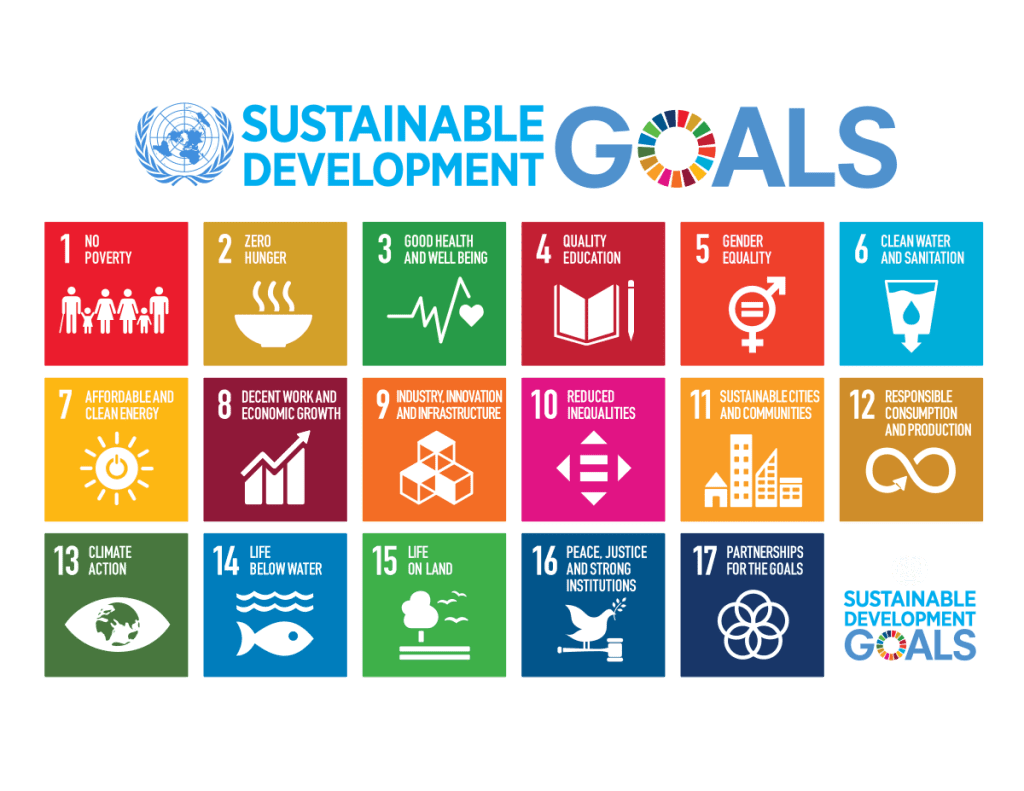
    The novel coronavirus (COVID-19) pandemic has been a significant setback for countries’ achievement of the 17 United Nations Sustainable Development Goals (SDGs) and their 169 targets. This was one of the main takeaways from the virtual launch of the Sustainable Development Report 2021: The Decade of Action for the Sustainable Development Goals on June 14.

    Released annually, the Sustainable Development Report is a key resource for tracking countries’ progress towards achievement of the SDGs which are part of the 2030 Agenda for Development agreed to by UN Member States, including those in the Caribbean, in 2015. The goals are ambitious, balancing all three elements of sustainable development: economic, social and environmental. Countries agree to achieve these goals by 2030 and this decade has been declared the ‘Decade of Action’ for the SDGs.

    A country’s rank on the SDG Index is determined by its overall score. This overall score measures a country’s total progress towards achieving all 17 SDGs, with a score of 100 being a perfect score, that is, complete achievement of all 17 SDGs. The score can be interpreted as a percentage of SDG achievement. The report also contains dashboards showing countries’ trends on the individual goals, subject to data availability.

    Top performers globally

    This year’s report ranked 165 countries. Overall, member states of the Organisation for Economic Cooperation and Development (OECD) are nearer to achieving the targets than any other country group, according to the Report. Finland tops the SDG Index 2021 with an overall score of 85.90, followed by Sweden, Denmark, Germany and Belgium to round out the top 5 performing countries. However, no country in the world has a perfect score nor is on track for achieving all the goals by 2030.

    Bangladesh has registered the most progress towards SDG achievement, followed by Afghanistan and Cote d’Ivoire. Indeed, East  and South Asia was revealed to be the region which has progressed the most on the SDGs. Brazil, Venezuela and Tuvalu were the countries which registered the most marked declines.

    Caribbean countries’ performance

    Many SIDS, including from the Caribbean, are not ranked on the SDG Index due to insufficient data. For those Caribbean countries ranked, Cuba was the highest with a rank of 49 followed by the Dominican Republic (67). Among countries of the Caribbean Community (CARICOM), Jamaica is the highest ranked at 81 out of 165 countries and a score of 69, a modest improvement from its score of 68.7 on the 2020 index.

    Jamaica is followed in rank by Barbados (83), Suriname (91), Belize (104), Trinidad & Tobago (108), Guyana (128) and Haiti (150). Jamaica and Barbados were the only two CARICOM countries to see an improvement in their overall score compared to 2020 levels. Suriname, Belize, Trinidad & Tobago, Guyana and Haiti saw declines in their overall scores towards SDG progress.

    Country profiles are however included even for those countries which are unable to be ranked on the index due to data shortages.

    Some key take-aways from the report

    The authors described 2020 as a ‘major setback for sustainable development’. For the first time since the SDG Index has been published, there has been a global decline in goal achievement driven in great part by an increase in extreme poverty and unemployment largely as a result of the COVID-19 pandemic.

    The report noted that there remains a gap between countries’ SDG commitments and implementation/mainstreaming. This must be addressed if the goals are to be achieved by 2030. The Report called for strong multilateral action to make the ‘Decade for Action’ count.  The authors further pointed to the need for a significant increase in fiscal space, global tax reform and expanded financing by multilateral development banks and debt relief to restore SDG progress in developing countries.

    The Report also contained a 2021 International Spillover Index which demonstrated how rich countries can generate negative socioeconomic and environmental spillovers undermining poorer countries’ ability to mobilise the financial resources needed to achieve the SDGs. Indeed, it highlighted how unsustainable trade and supply chains and tax havens and profit shifting in many rich countries undermine other countries’ ability to mobilize needed financial resources to achieve the SDGs.

    The report was prepared by teams of independent experts at the Sustainable Development Solutions Network (SDSN) and the Bertelsmann Stiftung and was authored by Jeffrey Sachs, Christian Kroll, Guillaume Lafortune, Grayson Fuller and Finn Woelm.

    The full SDG Report 2021 may be accessed here.

    Alicia Nicholls, B.Sc., M.Sc., LL.B. is a trade and development consultant with a keen interest in sustainable development, international law and trade. All views herein expressed are her personal views and should not be attributed to any institution with which she may from time to time be affiliated. You can read more of her commentaries and follow her on Twitter @LicyLaw.

  • COP23: Five Negotiation Priorities for Small Island Developing States (SIDS)

    COP23: Five Negotiation Priorities for Small Island Developing States (SIDS)

    Alicia Nicholls

    In about a week’s time, delegates from over 190 countries will convene in Bonn, Germany for the 23rd Conference of the Parties (COP23) to the United Nations Framework Convention on Climate Change (UNFCCC). During this round of climate negotiations, which will last from November 6-17th, the parties will continue work on implementation guidelines for the Paris Climate Change Agreement signed at COP21 in December 2015.

    Despite United States’ President Donald Trump’s statement in June that the United States would be withdrawing from the Paris Agreement, there is some cause for optimism that this year’s COP negotiations will bear fruit. For the first time, a small island developing state (SIDS), the Republic of Fiji, has assumed the presidency of COP and brings to this task first-hand experience from the front lines of the climate change battle.

    Secondly, recent natural disasters worldwide have brought increased international attention to the devastating effects of climate change and the need for urgent action on reducing global greenhouse gas emissions. This point was well-made by President of Fiji, Mr. Frank Bainimarama, who stated at a Pre-COP Ministerial Meeting held on October 17 in Fiji that:

    “We can no longer ignore this crisis. Whether it is fires in California, Portugal and Spain. Flooding in Nigeria, India and Bangladesh. The dramatic Arctic melt. Ice breaking off the continent of Antarctica. The recent hurricanes that devastated the Caribbean and the southern United States. Or the hurricane that has just struck Ireland and Scotland – the tenth hurricane of the Atlantic season this year. It’s hard to find any part of the world that is unaffected by these events.”

    Thirdly, except for the US, political will among the world’s most powerful nations has coalesced on the side of climate action. The 19 other G20 countries reaffirmed their “strong commitment” to the Paris Agreement, calling it “irreversible” in their Summit Declaration following the Hamburg meeting in July.

    Below are five key likely priorities for SIDS as they go into the negotiations:

    1. Scaling up Climate Finance to SIDS

    At COP15 in 2009, developed countries committed to jointly mobilise USD 100 billion annually by 2020 to meet the mitigation and adaptation needs of developing countries. According to an OECD study, climate-related concessional finance has increased in both absolute terms and as a percentage of total concessional development finance, however annual commitments for 2014 were still 20% of the USD100 billion goal.

    SIDS often find it difficult to attract private financial inflows for development purposes due to their small size and economies, and current financing levels do not meet their current needs. Moreover, current graduation criteria have made some middle and upper income SIDS, like those in the Caribbean, ineligible for certain types of concessional financing.

    Pledged contributions, whether to the Green Climate Fund or otherwise, also do not necessarily always lead to timely disbursement, and there is the need for guidelines and protocols for incorporating the Adaptation Fund established at COP7 into the Paris Agreement’s framework.

    Finding innovative and effective ways to attract and increase financial flows, including from both public and private and bilateral and multilateral sources, will be key. For example, Fiji became the first developing country to issue a sovereign green bond, with technical support from the World Bank, to support the country’s mitigation and adaptation efforts.

    1. Loss and damage

    Loss and damage was one of the most contentious topics in the negotiations leading up to the Paris Agreement and was strongly lobbied for by SIDS and LDCs as they are the least culpable but most vulnerable to the harshest impacts of climate change. The concept recognises that there is some irreversible damage which cannot be avoided through mitigation and adaptation strategies.

    The Paris Agreement has recognised the concept of ‘loss and damage’ as a distinct concept of climate action and has made the Warsaw International Mechanism for Loss and Damage permanent. It, however, does not deal with liability or compensation, something which developed countries were adamant they did not wish to be included. The softer language used in Article 8, which, inter alia, itemises areas for cooperation and facilitation, is reflective of these developed country concerns.

    The costliness of this year’s Atlantic hurricane season is an important background against which SIDS should call for greater discussion on concretely addressing loss and damage, including the successful launch of the Clearing House for Risk Transfer which is slated to take place at COP23.

    1. Adaptation and Mitigation

    Developed countries’ continued and increased support will be necessary to assist SIDS in implementing national climate action plans, policies and projects in order to build climate resilience. This support for adaptation and mitigation includes not just financial support, but technology transfer and capacity building and technical assistance.

    Certain groups within societies are particularly vulnerable to climate change, including women and children, the disabled and indigenous and rural communities. As such, the COP23 negotiations will involve operationalizing the Gender Action Plan and the Local Communities and Indigenous Peoples Platforms.

    1. More ambitious NDCs

    Some 163 parties have already submitted their Nationally Determined Contributions which outline their emission reduction targets toward meeting the goal set out in Article 2 of the Paris Agreement of keeping average global temperature increase to no more than 2 degrees Celsius above pre-industrial levels and as close as possible to 1.5 degrees Celsius. These NDCs may be found at the interim NDC registry.

    However, the May 2016 synthesis report on the aggregate effect of INDCs showed that a higher level of ambition will be needed in order to reach the goal in Article 2.

    SIDS will want all parties to communicate to more ambitious NDCs after 2018 in order to meet the temperature goals in the Agreement and in keeping with the Article 4(3) commitment of communicating successively progressive NDCs.

    1. Preparations for Facilitative Dialogue 2018

    The Facilitative Dialogue which will take place in 2018 will be the first initial opportunity under the Paris Agreement to take stock of parties’ collective progress in a transparent manner towards meeting the Agreement’s long-term goal and inform the preparation of NDCs. It will be a precursor to the Global Stock Take, the first of which will take place in 2023 and will occur every five years thereafter.

    The Facilitative Dialogue 2018 will be launched at COP23 and parties will need to organise and decide on the procedures, events and expected outcomes in time for its convening. The President of Fiji, who must be commended on his country’s excellent work on preparations for COP23 to date, has indicated that these talks will approached on the principle of ‘talanoa’, a Pacific concept which values inclusive, participatory and transparent dialogue.

    A copy of the negotiating agenda for COP23 (current as at this date) may be viewed here.

    Alicia Nicholls, B.Sc., M.Sc., LL.B., is a trade and development consultant with a keen interest in sustainable development, international law and trade. You can also read more of her commentaries and follow her on Twitter @LicyLaw.


  • Sport, Entrepreneurship and Development

    Sport, Entrepreneurship and Development

    Photo credit: Pixabay

    Alicia Nicholls

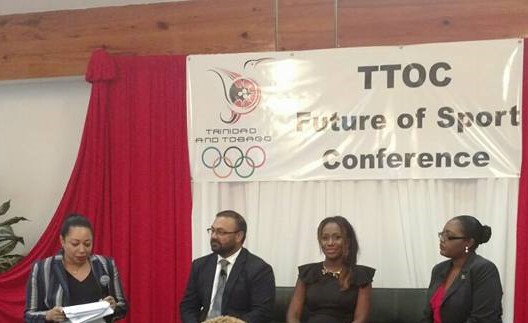
    Sport can be a powerful tool for development and economic diversification. This was the central thesis undergirding the Trinidad & Tobago Olympic Committee’s Future of Sport Conference 2017 which took place at Hotel Normandie in St. Ann’s, Trinidad last week. First let me once again commend TTOC President Mr. Brian Lewis and his team on a well-organised and informative event and for kindly inviting me to be a panellist. I also would like to give kudos to all fellow panellists, the moderator and to the audience for making the sessions as engaging as they were.

    17203065_10158384295270444_8488981909036060187_n
    TTOC Conference Panel #3: (L-R) Moderator Racquel Moses, Shyamal Chandradathsingh,  Carla Paris, Alicia Nicholls

    Sport is a multibillion dollar industry, and countries around the world are seeking ways to capitalise on this powerful tool for economic growth and development. For example, the small state of Qatar has identified sport as part of its national strategic plan. Among other upcoming international events, it will play host to the 2022 FIFA World Cup.

    Here in the Caribbean we too have earmarked sport as a potential non-traditional growth sector. In his rousing key note address at the TTOC Conference, Chairman of Trinidad & Tobago’s Economic Development Advisory Board and former Deputy Governor of the Central Bank of Trinidad & Tobago, Dr. Terrence Farrell indicated as much, naming sport as a potential diversification sector for their currently hydrocarbons based economy.

    Sport can also be an enabler for achieving the Sustainable Development Goals, which are targets set by the United Nations and to which all UN members agreed to pursue. Specifically, sport can assist not just in poverty alleviation (SDG 1), but also promoting good health and well-being (SDG 3), quality education (SDG 4), gender equality (SDG 5), and promoting peaceful and inclusive societies (SDG 16).  Indeed, this was recognised by the UN through the adoption of a resolution recognising sport as a means to promote education, health, development and peace.

    However, for sport to play such a transformational role for growth and development, it is not enough to have raw sporting talent. It is no secret that Caribbean countries’ sporting prowess dwarfs their economic and physical size.  What is needed is a complete support structure. It requires not just the building of a sport entrepreneurial ethos, but a support system, including greater recognition of the role of intellectual property rights, financing and marketing, to name a few. It is this holistic approach which informed the four conference panels which aimed to take the would-be entrepreneur on a journey from conception of the idea to execution.

    Again I would like to thank Mr. Lewis and his team for an excellent conference and I look forward to continuing the conversation on how we can harness sport for Caribbean development and growth. For videos and photos from the Conference, do have a look at the TTOC’s Facebook page.

    Alicia Nicholls, B.Sc., M.Sc., LL.B., is a trade and development consultant with a keen interest in sustainable development, international law and trade. You can also read more of her commentaries and follow her on Twitter @LicyLaw.