Category: Trade

  • PM May calls snap election: Pros and Cons

    PM May calls snap election: Pros and Cons

    Alicia Nicholls

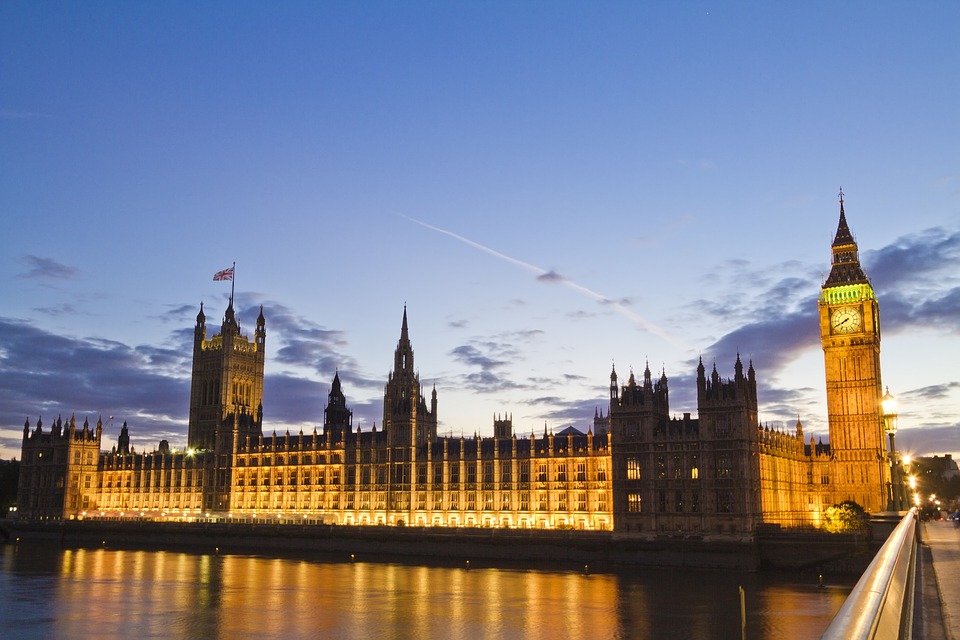
    United Kingdom (UK) Prime Minister, Theresa May, has today ‘reluctantly’ announced that Britons could be going to the polls in a general election on June 8, 2017, three years shy of the due date of May 2020.

    The UK has a parliamentary system of government. Since 2011, parliamentary elections are fixed for every five years pursuant to the Fixed-Term Parliaments Act. However, early general parliamentary elections may be called before the five year period, inter alia, where two-thirds of the House of Commons (including vacant seats) vote in favour of same. In the UK parliamentary system (also known as the ‘Westminster System’) and in most British-inherited parliamentary systems like those in the Caribbean, the Prime Minister is not directly elected. In practice, though, it is the person who leads the party which wins the majority of seats in the House of Commons who becomes the Prime Minister.

    The announcement of an early poll is surprising for two main reasons (1) it comes after months of denials by Mrs. May that she would be calling an early election, and (2) it also comes less than a month after the May Government made the UK’s notification under Article 50 of the Treaty on European Union (Lisbon Treaty) of its intention to withdraw from the EU.

    Pros

    So what are the upsides? Firstly, it is likely that in light of the disarray of the Jeremy Corbyn-led Labour Party, the Prime Minister is anticipating a stronger Conservative working majority in Parliament, reducing the likelihood of the final Brexit deal being voted against.

    The Tories currently have a 17-seat working government majority in the House of Commons following the 2015 poll, which is a slim majority when one considers that there is a total of 650 seats in the House of Commons. After all, what Prime Minister would not want a more comfortable majority at home when facing difficult negotiations with the EU for the next (at least) two years? Prime Minister May said as much in her statement when she noted that “Division in Westminster will risk our ability to make a success of Brexit and it will cause damaging uncertainty and instability to the country”, and warned that “If we do not hold a general election now, [Opposition Party] political game-playing will continue.”

    Polls already show a Tory sweep, but let us also remember polls had predicted a “No” win in the Brexit referendum.

    Secondly, it should be recalled that Mrs. May became Prime Minister in July 2016 not through leading the party in a general election, but after then Prime Minister David Cameron resigned following his Brexit defeat.  If Mrs May leads the Conservative Party to victory in the June 8, 2017 poll, she would have:

    (i) won a ‘direct mandate’ from the British people to pursue her own domestic agenda, which frees her from pursuing some of the policies promised by the then Cameron-led government.

    (ii) This mandate, she would hope, would help quell the dissenting factions in her own party who disagree with her handling of Brexit thus far.

    (ii) She would not be legally required to call another general election until June 2022, by which time the messiness of Brexit would be largely past (hopefully). Recall that Brexit negotiations could be extended up to 4 years, at which time the May Government would not wish to negotiating a final deal with the EU-27 while having to worry about an election at home which could be lost due to an unpopular final deal.

    A third pro is likely economic. Although predictions of a British recession following the Brexit vote have not come to past, there is no telling what would happen to the British economy once the Brexit negotiations are underway. It makes more sense for Mrs. May to seek an election now than wait until things take a turn for the negative.

    Cons

    Firstly, on the flipside, calling a snap election after having made the Brexit notification and ahead of the negotiations with the Europeans risks adding even more uncertainty to an already uncertain political climate.

    Secondly, although polls favour a Tory win, what happens if the polls are wrong and the Tories lose to an anti-Brexit Labour?  Or what if Labour and the Liberal Democrats expand their number of seats, further reducing the already slim Tory majority?

    Thirdly, she risks dealing with ‘voter fatigue’.

    Calling the election at this time is a risky move but one, which like all high risks, could have big rewards if the May-led Tories win and expand their mandate. In anticipation of a Tory win, markets took the news of the snap election quite enthusiastically. Sterling appreciated  against the US dollar to 1.26. However, it is also potentially a big gamble and the decision to hold the poll after triggering Article 50 is curious. It will be up to British voters to decide whether to reward or reject the gamble.

    What is next?

    When the House of Commons meets, they will need to deliberate and vote (as required under the Fixed-Term Parliaments Act) on whether they are in favour of an early election. A two-thirds majority will be needed. For his part, Labour leader Mr. Corbyn has supported the decision to go to the polls in his statement released on his official Facebook page following the Prime Minister’s announcement.

    For Prime Minister May’s full statement, please see here.

    Alicia Nicholls, B.Sc., M.Sc., LL.B., is a trade and development consultant with a keen interest in sustainable development, international law and trade. You can also read more of her commentaries and follow her on Twitter @LicyLaw.

  • IMF raises global GDP growth forecast but protectionist policies a threat

    IMF raises global GDP growth forecast but protectionist policies a threat

    Alicia Nicholls

    The sharp downtown in global trade in recent years is both a symptom of and a contributor to low growth“. – Making Trade an Engine of Growth for All (IMF, WTO, World Bank Report of April 2017)

    Protectionism leading to trade warfare is a ‘salient threat’ to global economic growth, warned the International Monetary Fund (IMF) economists, not for the first time, in their recently released World Economic Outlook for April 2017.

    The good news is that the Fund’s April outlook was much more upbeat than its January 2017 outlook. According to the Fund, the global economy is projected to expand by 3.5 percent in 2017, a modest increase from its 3.4 percent projection in its January 2017 outlook but greater than the 3.1 percent growth in 2016. The Fund has maintained its outlook for 2018 at 3.6 percent.

    The not so good news, as already noted, is that the tenuous economic recovery remains vulnerable to several downside risks, including protectionism. Bear in mind as well that the global economy expanded on average 4.2 percent between 1999-2008, so the projected rate of growth is still below the pre-crisis rates of growth.

    The Fund’s most recent WEO report comes on the heels of the release by the World Trade Organisation (WTO) of its trade growth forecast which projected some recovery in global trade growth to 2.4 percent in 2017. Most readers would remember that 2016 saw the slowest rate of global trade growth since the global economic and financial crisis which coincided with the slowest rate of global economic growth in 2016 since 2009.

    As noted by the WTO in its press release, “the volume of world merchandise trade has tended to grow about 1.5 times faster than world output, although in the 1990s it grew more than twice as fast.” However, dampened trade volumes have been linked to a subdued global economy and global trade grew less than global economic growth in 2016. Although, the WTO’s projected rate of growth for 2017 signals a cautious recovery, the rate of merchandise trade growth is still much lower than pre-crisis merchandise trade growth and the forecast risk is higher due to both economic and policy uncertainty.

    The IMF’s most recent WEO also follows a joint report released by that institution, the WTO and the World Bank entitled “Making Trade an Engine of Growth for All: The Case for Trade and for Policies to Facilitate Adjustment” in which it was stated, inter alia, that the role of trade in the global economy is ‘at a critical juncture’, and arguing that further trade integration was important for stimulating global growth.

    At the same time, the IMF warned that protectionism could lead to trade warfare, citing several factors in mainly advanced economies which have seen greater political support for nationalist and protectionist policies. There is good reason for this concern, stemming from protectionist turns and mercantilist rhetoric emanating from political quarters in advanced economies, namely the US and Europe. Moreover, the communique from the March 2017 G-20 Finance Ministers’ Meeting in Germany  saw, for the first time, the exclusion of the pledge to “resist protectionism”. On the multilateral front, although the WTO’s Trade Facilitation Agreement has come into effect, there has been little progress otherwise on multilateral trade negotiations.

    Trade is an important driver of global growth, and helped to propel global growth in the latter half of the 20th century. Trade has also played an important role in boosting competition, productivity and improving living standards and productivity. However, there has been dislocation as a result of free trade. In the case of developing countries, there has been the negative impact of competition from cheaper subsidised (particularly agricultural) imports from advanced countries on domestic industries which have higher production costs due to lack of economies of scale and lower technology use. An Oxfam report noted the  negative impact on Mexico’s corn industry following the introduction of the North American Free Trade Agreement (NAFTA).

    While the cheaper imports benefit consumers through lower prices, they, however, can negatively impact domestic industries and jobs, and with implications for countries’ balance of trade, and in the case of the agricultural sector, food security. This is an issue which has been noted by developing countries and development economists for years but only seemed to gain mainstream discussion once the effects became more palpable in advanced economies, such as the US and Europe.

    However, this is not to suggest that trade is undesirable or that the negatives outweigh the positives. Trade, as the IMF has rightly noted, is an important driver of the global economy. It does, suggest, however, that there needs to be greater consideration of the “social impact” of trade policies and of the need to make trade policies much more inclusive by ensuring that the most vulnerable to the negative fall-outs of trade, such as women and the poor, are protected through supporting policies and mechanisms. As such, domestic policies to assist with, and mitigate, these trade-related adjustments are important, a point made in the joint report by the IMF, WTO and World Bank.

    Besides protectionism, the IMF also noted faster than expected interest rate hikes in the US, aggressive financial deregulation, financial tightening in emerging market economies, geopolitical tensions, inter alia, as among the inter-connected downside risks to global growth. Furthermore, the IMF emphasised the importance that countries’ policy choices will have on the global economic outlook and on reducing risks to this outlook.

    To read the full IMF WEO April 2017 report, please visit here.

    Alicia Nicholls, B.Sc., M.Sc., LL.B., is a trade and development consultant with a keen interest in sustainable development, international law and trade. You can also read more of her commentaries and follow her on Twitter @LicyLaw.
  • WTO Trade Forecast 2017: Cautiously Optimistic about trade growth recovery

    WTO Trade Forecast 2017: Cautiously Optimistic about trade growth recovery

    Alicia Nicholls

    After decelerating considerably in 2016, world merchandise trade growth is expected to recover to 2.4% in 2017. This is according to the cautiously optimistic trade forecast released today by the World Trade Organisation (WTO).

    According to the WTO, although global merchandise trade volumes have historically on average grown 1.5 times faster than global GDP, this ratio has slowed to 1:1 since the crisis of 2008. Last year’s merchandise trade growth of 1.3% was the slowest pace of trade growth since the world economic crisis of 2008 and was linked primarily to a weak global economy.

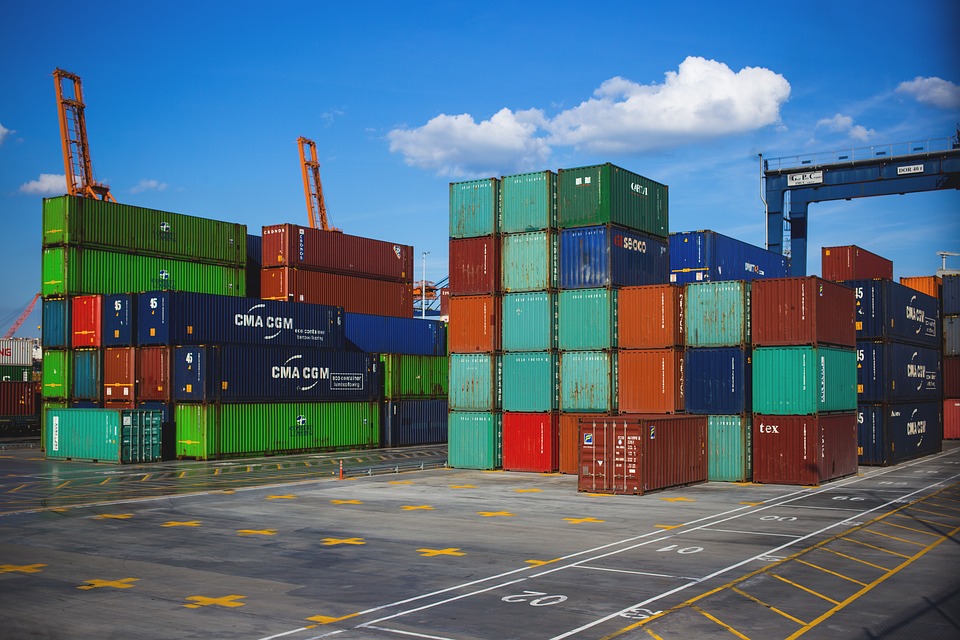
    In his press conference remarks, Director-General of the WTO, Roberto Azevedo, explained that early indicators, such as the record increases in global container shipping throughput, the high levels of global export orders, and the expected recovery in world economic output, point to a recovery in global trade in 2017.

    However, the WTO Chief also cautioned that this forecast assumes that governments pursue the right policy mix and that forecasts of an expected recovery in global GDP are accurate. The report noted that trade growth could be negatively affected by governments’ trade, monetary and fiscal policies.

    Indeed, the Director-General’s remarks to this point perfectly sum this up as follows:

    Overall, I think that while there are some reasons for cautious optimism, trade growth remains fragile and there are considerable risks to the downside. Much of the uncertainty around the outlook is of course political — and not only geopolitical. Part of this is driven by people’s concerns about the impact that trade can have.

    Given the high levels of uncertainty which have increased the forecast risk factor, WTO economists have also given a growth range of between 1.8 and 3.6% for 2017.

    Observing that trade does cause some dislocation, the WTO Director General cautioned governments against protectionism and highlighted that innovation, automation and new technologies, and not trade, were responsible for eighty percent of the loss of manufacturing jobs.

    The WTO’s forecasts for 2018 are much more optimistic, with a growth forecast of between 2.1 and 4.0%

    For further information, please see the WTO Director-General’s press conference remarks here and the WTO’s press release here.

    Alicia Nicholls, B.Sc., M.Sc., LL.B., is a trade and development consultant with a keen interest in sustainable development, international law and trade. You can also read more of her commentaries and follow her on Twitter @LicyLaw.

  • Caribbean Trade & Development Digest – April 2-8, 2017

    Caribbean Trade & Development Digest – April 2-8, 2017

    Source: Pixabay

    Welcome to the Caribbean Trade and Development Digest for the week of April 2-8, 2017!  I am pleased to share some of the major trade and development headlines and analysis across the Caribbean region and the World. 


    REGIONAL NEWS

    EPA Plan to be reset

    Nation News: Barbados is resetting its implementation strategy of the Economic Partnership Agreement (EPA) with the European Union as Britain prepares to exit the EU. Read more

    Trinidad pushes for shift to cleaner fuel

    Caribbean360: The Trinidad and Tobago government has invested about $74 million in the first phase of a $295-million project to encourage more drivers to use Compressed Natural Gas (CNG), described by experts here as a preliminary step in the country’s transition to using more sustainable forms of energy. Read more

    T&T Recession slows rum sales

    Sunday Express: The ongoing recession is affecting local rum sales, the country’s largest legal rum manufacturer said in its results released yesterday on the Trinidad and Tobago Stock Exchange (TTSE). Read more

    Trinidad & Tobago trade mission to Guyana

    T&T Newsday: Come June 12 and 13 of this year, the Trinidad and Tobago Chamber of Industry and Commerce, in collaboration with the Georgetown Chamber of Commerce and Industry (GCCI) will embark upon a Trade Mission to Guyana, one of the most significant emerging economies in the region. Read more

    CARICOM considers how to keep market access in tact after Brexit

    Caribbean360: CARICOM has reportedly narrowed down the options it intends to pursue to prevent a break in market access in the United Kingdom due to the UK’s planned exit from the European Union (EU). Read more

    Bahamas Trade Information Service Portal Launched
    Eleutheran: The initiative is the first of its kind in The Bahamas and one of only a few Trade Information Portals in the Caribbean Region. Read more

    Dominican Republic signs trade agreement with Cuba

    Jamaica Observer: The Dominican Republic has signed a Partial Scope agreement with Cuba in an effort to boost economic, trade and cooperation between both countries. Read more

    OECS needs a unified approach to development, says economist

    Antigua Observer: The biggest impediment to growth of the economies of the Organisation of Eastern Caribbean States (OECS) is their small size and scale of production, and the lack of a unified regional approach to development. That’s the view of Dr Vanus James, economist, statistician and regional academic. Read more

    Trump reinforces bond between Jamaica and the US

    Jamaica Gleaner: United States President Donald Trump says he looks forward to working with the Jamaican Government on bilateral and regional issues. Read more

    Jamaica saves $30 billion on oil imports

    Jamaica Gleaner: Jamaica reduced its oil import bill by US$242 million ($30 billion) last year, which helped to slash the trade deficit by nearly nine per cent, according to new data from Statin. Read more

    PM Launches 7th Biennial Diaspora Conference

    JIS: The ‘Jamaica 55 Diaspora Conference’, which is organised by the Ministry of Foreign Affairs and Foreign Trade, will be held at the Jamaica Conference Centre, downtown Kingston, under the theme ‘Partnering for Growth’. Read more

    INTERNATIONAL NEWS

    WTO creates panel to decide on China, EU flap

    The Star: The World Trade Organisation (WTO) set up on Monday a panel to examine the so-called “surrogate country” approach used by the European Union to calculate anti-dumping measures applied to Chinese exports, following a request from Beijing.
    Read more
    Rwanda: AfDB unveils US $450 million fund to promote export trade
    AllAfrica: The African Development Bank (AfDB) has approved $450 million about (Rwf372 billion) trade finance facility for the African Export-Import Bank (Afreximbank). Read more

    NAFTA Trade Growth Continues in January

    American Shipper: Total cross-border trade between the US, Mexico and Canada jumped 6.7 percent in January 2017, the third straight month of year-over-year increases, according to the Department of Transportation’s Bureau of Transportation Statistics. Read more

    Malaysian PM Najib Razak pushes for conclusion of free trade deal

    Livemint: Malaysian Prime Minister Najib Razak on Monday called for the speedy conclusion of a free trade pact between the Association of Southeast Asian Nations (Asean) and six other countries including India, saying the regional partnership becomes all the more relevant after the US pulled out of the Trans-Pacific Partnership (TPP). Read more

    European Parliament backs red lines resolution for Brexit negotiations

    TheGuardian: The European parliament has overwhelmingly voted in favour of a tough negotiating stance towards the British government in the Brexit negotiations. Read more

    Pacific looks to improve links with Asian economies

    RNZ: Pacific economic ministers meeting in Suva have been looking at how the region can better engage with the growing Asian economies. Read more

    South African Court allows domestic rhino horn trade

    Environment News Service: South Africa’s Constitutional Court has overturned the current ban on domestic trade in rhino horn. As a result, the sale of rhino horn will be allowed to resume within the country’s borders, but not internationally. Read more

    Trump’s NAFTA plans are more than a tweak, Mulroney says

    TheGlobeandMail: Brian Mulroney says U.S. plans to renegotiate the North American free-trade agreement are shaping up to be more than a tweak.The former Progressive Conservative prime minister made the comments after briefing the Liberal cabinet committee on Canada-U.S. relations on Parliament Hill. Read more

    Canadian Free Trade Agreement Finalised

    CNW: Ministers representing the federal, provincial and territorial governments have concluded negotiations on a new Canadian Free Trade Agreement (CFTA) that will help to expand Canadian businesses and increase economic growth across the country.  Read more

    US Labor chief wants mores drastic changes to NAFTA from Trump

    Reuters: Top U.S. labor leader Richard Trumka on Tuesday blasted the Trump administration’s initial plan to revamp the North American Free Trade Agreement (NAFTA), calling it “very timid.” Read more

    Australia moves closer to free trade talks with EU

    ABC (Australia): The Federal Government hopes to begin negotiations for a free trade agreement (FTA) with the European Union in the second half of this year, after finalising a key step needed to begin talks. Read more

    Brussels mulls excluding UK from trade talks updates

    Politico: The EU is considering shutting the U.K. out of sensitive briefings on its trade policy, following warnings that Britain will become a competitor for striking trade deals post-Brexit.  Read more

    At US-China Summit, Trump pressed Xi on trade

    President Donald Trump pressed Chinese President Xi Jinping to do more to curb North Korea’s nuclear program and help reduce the gaping U.S. trade deficit with Beijing in talks on Friday, even as he toned down the strident anti-China rhetoric of his election campaign. Read more

    WTO members discuss trade facilitation provisions in RTAs

    WTO: WTO members discussed the relationship between trade facilitation provisions in regional trade agreements (RTAs) and the WTO’s Trade Facilitation Agreement (TFA) at the 3-4 April meeting of the Committee on Regional Trade Agreements. Read more

    UK eyes trade agreement with Asean after it leaves European Union

    Business Insider: Trade and Industry Secretary Ramon M. Lopez said that the United Kingdom (UK) has expressed interest to pursue a regional trade agreement with the Association of Southeast Asian Nations (Asean), weeks after the European Union (EU) expressed intent to do the same. Read more

    Panels established to review EU dumping methodologies, Indian steel safeguard

    WTO: At its special meeting on 3 April, the Dispute Settlement Body (DSB) agreed to the establishment of two new dispute panels: one to review a complaint filed by China against the European Union’s measures related to price comparison methodologies in anti-dumping investigations; and the second to review a complaint from Japan regarding India’s safeguard measure on imports of iron and steel products. Read more

    Trade Policy Review: Mexico

    WTO: The sixth review of the trade policies and practices of Mexico took place on 5 and 7 April 2017. The basis for the review was a report by the WTO Secretariat and a report by the Government of Mexico. Read more

    BONUS – Bloomberg Interview with Mexico Economy Minister

    In an interview with Bloomberg’s Erik Schatzker, Mexico Economy Minister Ildefonso Guajardo discusses President Donald Trump’s stance on NAFTA, among other things. Have a watch here.

    CTLD NEWS

    One of my Brexit articles was republished in the leading business magazine in Barbados, the Barbados Business Authority. Have a read here: Seize the Brexit Moment.

    For more CTLD News see News & Announcements

    NEW ON CTLD BLOG

    Will US Financial Deregulation help mitigate the de-risking phenomenon?

    Trump’s Trade Executive Orders target deficit and uncollected AD/CV Duties

    Liked this issue? Read past issues of our weekly Caribbean Trade & Development Digest, please visit here. To receive these mailings directly to your inbox, please follow our blog.