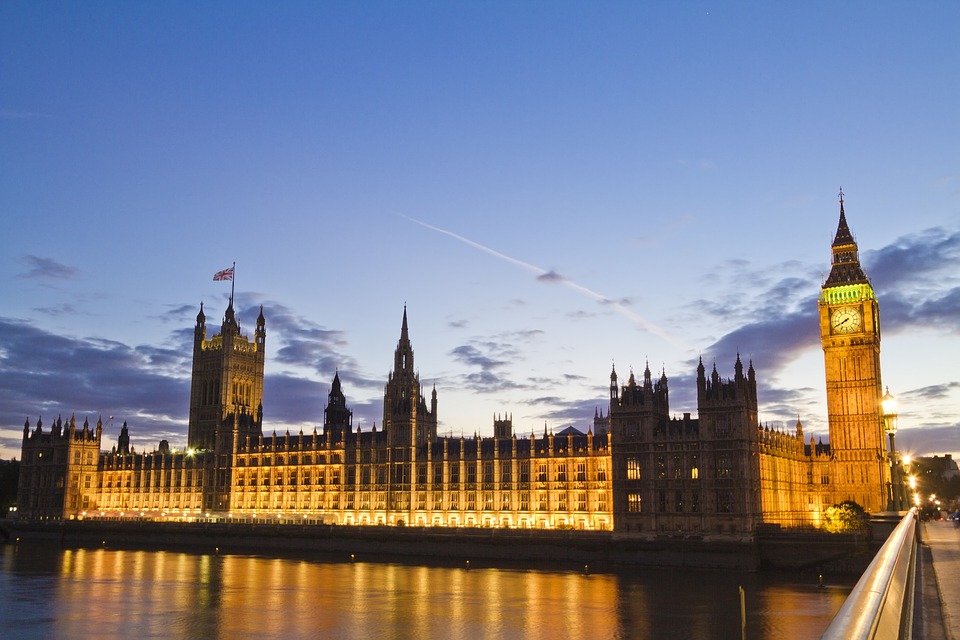
Source: Pixabay
Welcome to the Caribbean Trade and Development Digest for the week of January 30-February 4, 2017! I am pleased to share some of the major trade and development headlines and analysis across the Caribbean region and the World.
For past issues of our weekly Caribbean Trade & Development Digest, please visit here.
To receive these mailings directly to your inbox, please follow our blog.
REGIONAL
Turkey, Dominican Republic agree to boost trade ties
Hurriyet Daily News: Turkey and the Dominican Republic have agreed to boost cooperation on tourism, Turkish Foreign Minister Mevlüt Çavuşoğlu said during a visit to the Caribbean state on Feb. 2. Read more
Donald Trump ‘reviewing’ Cuba Policy, says White House
Independent: Donald Trump is to conduct a “full review” of America’s foreign policy towards Cuba, White House press secretary Sean Spicer has announced. Read more
Governor Scott puts provision in proposed budget to block trade with Cuba
Miami Herald: Following on the heels of last’s week threatened retaliation against Florida ports that sign agreements with Cuba, Gov. Rick Scott has tucked another anti-Cuba provision into his proposed state budget that is even more far-reaching. Read more
CBI Bank Accounts under Scrutiny in Dominica
WinnFM: There is no official word either from foreign banks in Dominica or the Skerrit administration, that government Citizenship by Investment accounts have been closed. Read more
Dominican Republic could become logistics hub
Dominican Today: The Dominican Republic could become a Regional Logistics Centre or Hub for maritime trade in the Caribbean, according to government representatives and national shipping and maritime business owners. Read more
Dominican Republic to establish a diplomatic presence in Antigua
Antigua Observer: President of the Dominican Republic, Danilo Medina has agreed to establish diplomatic presence in Antigua and Barbuda. Read more
Falkland lawmaker visiting Caribbean to promote trade links
Mercopress: Falkland Islands lawmaker MLA Ian Hansen is on a Caribbean mission to improve trade and industry links with the region, and seeking political support for the Islands. The tour includes Barbados, Dominica and Guyana, according to Barbados TODAY news agency. Read more
St. Kitts and Nevis Ranks Number One in Trading Across Borders
SKN Observer: St. Kitts and Nevis has ranked number one in the CARICOM in trading across borders according to the “2016 Doing Business Report”, says Kennedy DeSilva, Deputy Comptroller of Customs in the Office of the Comptroller, appearing on today’s radio-television show “Working for You” on January 25. Read more
CARICOM and Switzerland deepen relations
Jamaica Observer: The 15-member Caribbean Community (CARICOM) says it is looking forward to a concrete programme of cooperation with Switzerland after the European country’s diplomat presented his credentials to CARICOM Secretary General Irwin La Rocque on Thursday. Read more
Jamaican Tourism Interests Optimistic Following Trade Talks with Tour Operators
Jamaica Gleaner: Jamaican tourism stakeholders are expressing optimism after a series of successful meetings with tour operators at the Caribbean Hotel and Tourism Association’s Caribbean Travel Marketplace now under way at the Atlantis, Paradise Island, in The Bahamas. Read more
Puerto Rico Launches new Push for Statehood
TelesurTV: Puerto Rico Friday approved a measure to hold another referendum to vote on becoming a state, set for June 11. It comes as the U.S. territory continues to struggle with the ongoing effects of colonialism and a major debt crisis. Read more
Caribbean Tourism Requires Stronger Partnerships
Caribbean360: The Caribbean region’s tourism growth potential in 2017 and beyond is enormous, but not without continued collaborative partnerships between the region’s public and private sectors. Read more
OECS Supports Geothermal Energy Production
St Lucia Times: Financing and government policy have been identified as the major challenges to the development of geothermal energy in the Eastern Caribbean. Read more
INTERNATIONAL
Mexico pushes for trade deal with New Zealand
New Zealand Herald: Trade Minister Todd McClay will request that talks on a Mexican free trade deal be placed on the agenda when he meets his counterpart in Mexico in 10 days time. Read more
Brexit Plan Published in Government White Paper
BBC: The government has published an official policy document setting out its Brexit plans. Read more
Homeland Security Suspends Travel Ban
CNN: President Donald Trump’s government moved swiftly Saturday to comply with a federal judge’s order halting his travel ban — even as Trump himself denounced the judge — but readied its legal defense of the controversial executive action. Read more
Trump, Abe to discuss Potential Bilateral Deal and TPP at Washington Summit
ICTSD Bridges: US President Donald Trump has announced plans to meet with Japanese Prime Minister Shinzo Abe in Washington to discuss trade and security matters in what will be the first face-to-face talks between the leaders since Trump took office last month. Read more
US Tax Plan would break tax rules, lawyers say
CNBC: A proposed U.S. corporate tax reform would almost certainly contravene international trade rules if implemented, lawyers told Reuters, risking the biggest dispute in the history of the World Trade Organization. Read more
Least developed countries propose caps on trade distorting farm subsidies at WTO
ICTSD Bridges: WTO members must agree to cuts and new ceilings for trade-distorting farm subsidies, says a proposal from a group of dozens of the world’s poorest countries at the global trade body. Read more
African Union wants its members to pull out of ICC
Daily Nation (Kenya): The African Union (AU) wants its member states to pull out of the International Criminal Court (ICC). Read more
UK plans to adopt EU’s agreements with third countries
Reuters UK: Britain expects to be able to adopt the European Union’s free trade agreements (FTA) with around 40 countries after it leaves the bloc rather than negotiate new deals, trade minister Liam Fox said on Wednesday. Read more
Mexico, Turkey to speed up talks to sign trade deal
Reuters: Mexico and Turkey will speed up negotiations to sign a bilateral trade agreement, Mexican Foreign Minister Luis Videgaray said on Friday at an event in Mexico City with his Turkish counterpart. Read more
India to host key RCEP Meeting at Hyderabad in July
Economic Times (India): India will hold RCEP negotiations meeting this coming July in Hyderabad. Read more
Nebraska farmers, ranchers wary of Trump ending NAFTA
Omaha World Herald: Like a lot of Midlands farmers, Randy Uhrmacher gets a little nervous when he hears in the news about President Donald Trump looking to shake up free trade agreements. Read more
Mexican government initiates NAFTA review with private sector
Yucatan Times: The federal government will begin a process of consultation with the private sector, prior to the negotiation of the North American Free Trade Agreement with the US, which will continue on a permanent basis. Read more
Brexit: MPs overwhelmingly back Brexit bill
BBC: MPs have voted by a majority of 384 to allow Prime Minister Theresa May to get Brexit negotiations under way. They backed the government’s European Union Bill, supported by the Labour leadership, by 498 votes to 114. Read more
US Ranchers Look for some action on Country of Origin Labelling
FSN: Two states known for their cowboys, Wyoming and South Dakota, have seen early introduction of COOL bills in their legislatures, respectively, in Cheyenne and Pierre. Cattlemen headquartered in neighboring Montana have not given up on a national bill. Read more
US withdrawal from TPPA will hasten negotiations on RCEP
The Star (Malaysia): The withdrawal of the United States from the Trans-Pacific Partnership Agreement (TPPA) will help hasten the process of concluding negotiations on the Regional Comprehensive Economic Partnership (RCEP). Read more
Brexit: Angela Merkel warns UK PM Theresa May over slashing taxes
Independent (UK): Angela Merkel has hit back at Theresa May’s threat to slash taxes to undercut the EU if it blocks a Brexit deal, warning taxes are the price paid for a just society. Read more
Trade Ministers on TPP Rescue Mission
RNZ: (New Zealand’s) Trade Minister Todd McClay will meet his Australian counterpart in Sydney today in a bid to salvage the Trans-Pacific Partnership trade deal. Read more
Canadian Ambassador reassures Mexico on NAFTA
Toronto Star: In an interview with Mexican newspaper Reforma, Pierre Alarie sought to quell fears that Canada would abandon its trading partner during negotiations. Read more
BONUS
WTO Video on TRIPS Amendment by Mexico’s Perez Motta
In this video statement on the WTO’s Youtube Channel, Mexico’s Eduardo Pérez Motta, a former TRIPS Council chair, says that the impact of the TRIPS amendment should be judged by the prices and supply of critical medicines.
Watch here (English)
Watch here (Spanish)
OECD Releases new brochure “Towards Better Trade Policies”
The OECD’s new brochure “Towards Better Trade Policies” provides an executive overview of OECD work on trade, and contains comprehensive lists of references to all evidence we have developed over the past five years. Read more
NEW ON CARIBBEAN TRADE LAW & DEVELOPMENT BLOG
TPP: Acting USTR Submits Withdrawal Letter
Brexit White Paper Released by UK Government
UK-US Trade Inquiry launched by UK Parliament’s International Trade Committee
Brexit Bill Clears First Parliamentary Hurdle
Climate Change, the Caribbean and US-Caribbean Strategic Re-engagement (HR4939)
Liked this issue? Read past issues of our weekly Caribbean Trade & Development Digest, please visit here. To receive these mailings directly to your inbox, please follow our blog.


 Caribbean Trade Law and Development