Blog

  • 2023 Trade Year in Review and Year Ahead 2024

    2023 Trade Year in Review and Year Ahead 2024

    Alicia Nicholls

    Happy New Year to all readers! As is customary at this time of the year, we trade policy analysts like to reflect on the trade year that passed and the year ahead. Global trade trends are important for us to follow in the Caribbean given our countries’ high dependence on cross-border trade for much of what we consume. In this article, I reflect on the trade year that passed, discussing some of the major trends globally and in the Caribbean region and looking forward to 2024.  

    Trade Year in Review

    Slowing global trade growth but services trade resilient  

    In its just released Global Economic Prospects 2024 report, the World Bank described global trade growth in 2023 as “the slowest outside global recessions in the past 50 years”. That is in sync with the predictions of the World Trade Organization (WTO) in its Global Trade Outlook Update (October 2023) and United Nations Conference for Trade and Development (UNCTAD) in the December release of its Global Trade Update. In its report, UNCTAD had predicted a 5% decline in global trade in goods by nearly US$2 trillion in 2023, including an underperformance in developing countries’ exports and a sharp decrease in South-South trade. Major factors cited by UNCTAD for this decline included reduced demand in developed countries, underperformance in East Asian countries and volatility in commodities’ prices. On the bright side, services trade growth remained positive and resilient in 2023, which UNCTAD estimates to have grown by $500 billion, a 7% increase over 2022’s levels.

    Rising protectionism and geopolitical tensions

    The US-China ‘trade war’ in semi-conductors has continued. Moreover, the 30th WTO Trade Monitoring Report on G20 trade measures issued in December showed that over the review period, G20 economies introduced more trade-restrictive than trade-facilitating measures on goods. However, the value of traded merchandise covered by trade facilitating measures remained greater than that covered by trade restrictive measures. The Russia-Ukraine war has had an impact on the volatility of commodities prices with food security implications. However, according to a WTO blog article by its chief economist Ralph Ossa published in February 2023, the Russia-Ukraine war’s impact on trade has been less than initially feared. 

    On-going global supply chain disruptions

    Global supply chains, which still have not fully recovered from the COVID-19 pandemic disruptions and have been impacted by the Russia-Ukraine conflict, have been further disrupted by maritime traffic hiccups in two of the world’s busiest trade routes: the Panama Canal and the Suez Canal. First, historically low water levels in the Panama Canal due to the worst El Niño event in recent history have reduced the number of ships which could transit through the canal daily, which caused backlogs. Second, shipping carriers have started to avoid the Red Sea, which provides access to the Suez Canal, due to Houthi attacks on shipping vessels. Delays or cancellations from ships having to divert to longer routes increase transit times and fuel costs for the carriers. Indeed, Vincent Le Clerc, CEO of global shipping giant Maersk, reportedly stated in a Financial Times interview that this “could potentially have quite significant consequences on global growth”. Increased shipping costs could lead to higher prices ultimately for consumers and delays could mean a longer wait for many of our favourite items on the shelves.  

    IFD agreement concluded

    In the trade policy world, WTO Members participating in the Joint Statement Initiative on Investment Facilitation for Development (IFD) structured discussions announced their conclusion of an agreement text. These negotiations, in which over 110 WTO members are participating, aims to facilitate investment for the purposes of development. Whether that agreement will be adopted as a multilateral agreement or as a plurilateral agreement remains to be decided and is expected to be an agenda item at MC 13.

    Successor to Cotonou Agreement finally signed

    The successor agreement to the Cotonou Agreement, the Samoa Partnership was finally signed by some countries, although not without controversy. This is not a trade agreement but is an overarching agreement which sets the legal framework for cooperation between the European Union (EU) and the countries of the Organization of African Caribbean and Pacific States (OACPS) for the next twenty years. As readers may already know, trade between CARIFORUM countries and the EU is covered under the CARIFORUM-EU Economic Partnership Agreement (EPA). Provisional application of the Samoa Partnership Agreement began on January 1, 2024.

    Regional issues

    CARICOM Member States are reportedly working towards full free movement of persons by the end of 2024. CARICOM countries also continued their push for deeper African economic engagement and the 2nd Africa-Caribbean Trade and Investment Forum (ACTIF) was held in Guyana.

    Looking ahead for 2024

    Economic uncertainty

    The buzzword for 2024 is ‘uncertainty’, which has been the prevailing sentiment since 2020. We are still no doubt in a ‘polycrisis’ moment as major international organisations show in their forecasts for 2024.  In its previously mentioned report, the World Bank has predicted a further slowing in global growth this year to just 2.4%, “amid the lagged and ongoing effects of tight monetary policy, restrictive financial conditions, and feeble global trade and investment”. It called this the slowest half decade of GDP growth in 30 years. The World Bank noted as downside risks to its outlook the escalation of the Israel-Palestine conflict and the attendant disruptions to commodity markets, persistent inflation, slower growth and deflation in China, trade fragmentation, elevated sovereign debt levels and climate-related disasters. While trade is expected to pick up in 2024, the World Bank warned that this will be “only half the average in the decade before the pandemic”, and UNCTAD described its outlook for 2024 as “pessimistic”.

    WTO’s 13th Ministerial Conference

    As usual, there is a lot on this year’s trade calendar for us trade nerds to look forward to. All trade policy analysts’ eyes will be on Abu Dhabi, United Arab Emirates which will host the WTO’s upcoming Thirteenth Ministerial Conference (MC 13) from February 26-29. The WTO is also likely to welcome its two newest members, Comoros and Timor Leste, both least developed countries (LDCs). As the WTO’s Director General Dr. Ngozi Okonjo-Iweala eloquently stated in the press release welcoming Timor Leste’s finalization of its accession package, “[w]elcoming two members at MC13 will send a strong message to the international community on the relevance and attractiveness of this organization”.

    Mega-election year and implications for countries’ trade policies

    Dubbed a ‘mega-election’ year in the media, 2024 will see “more than 2 billion voters in 50 countries go to the polls” in 2024, according to the Center for American Progress. The electoral outcomes in these elections could set the tone for global economic and trade policy. For example, whoever eventually occupies 1600 Pennsylvania Avenue will shape the US’ trade policy for the next four years, including its approach to hemispheric economic cooperation and whether it supports the WTO-headed rules-based multilateral trading system.

    Climate crisis and trade nexus

    In January this year, scientists from the European Union’s Copernicus Climate Change Service (C3S) confirmed that 2023 was by far the warmest year on record since record keeping began in 1850. This is something which we in the Caribbean certainly felt during August-November when daily temperatures were unbearably hot. Of course, with a worsening climate crisis, issues of resilience and sustainability are increasingly important in trade conversations. There is greater emphasis now not just on the impact of climate change on trade and vice versa, but how trade policy could support countries’ climate mitigation and adaptation efforts. Indeed, the WTO’s Public Forum 2023 with its theme of “It is time for action” focused on green trade. Moreover, the United Nations Framework Convention on Climate Change’s 28th Conference of the Parties (UNFCCC COP 28) held its first ‘Trade Day’, the first time that an entire day has been devoted to trade at a COP summit. COP 29 will take place in November 11-22 in Azerbaijan.

    Meetings within the region

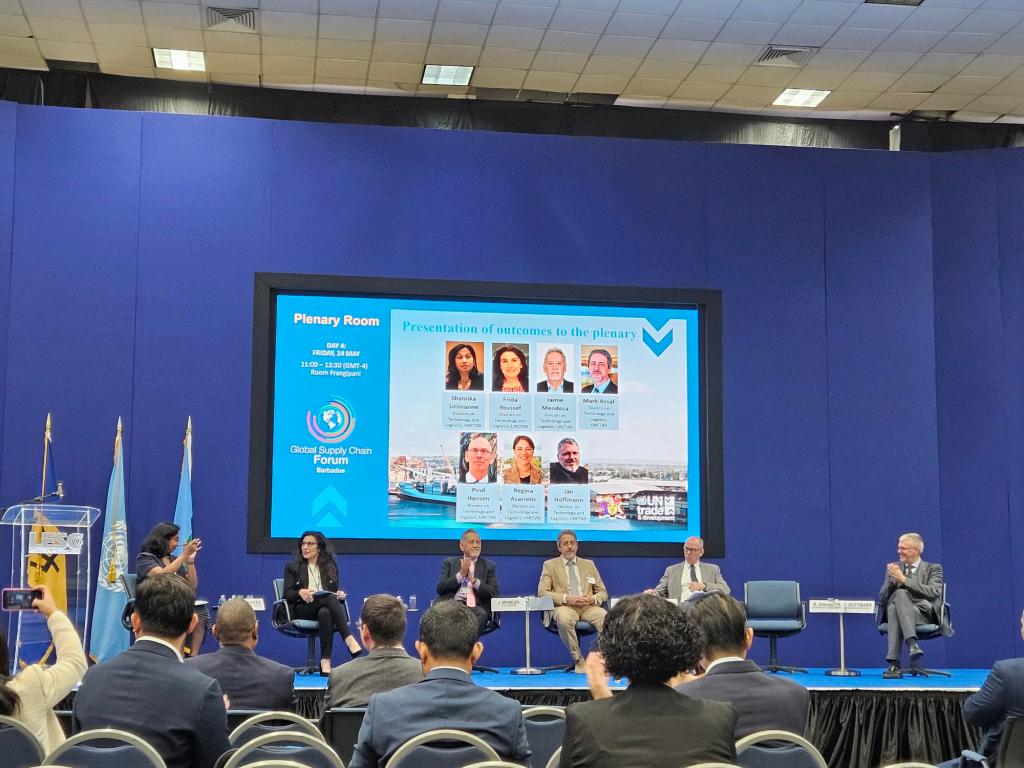
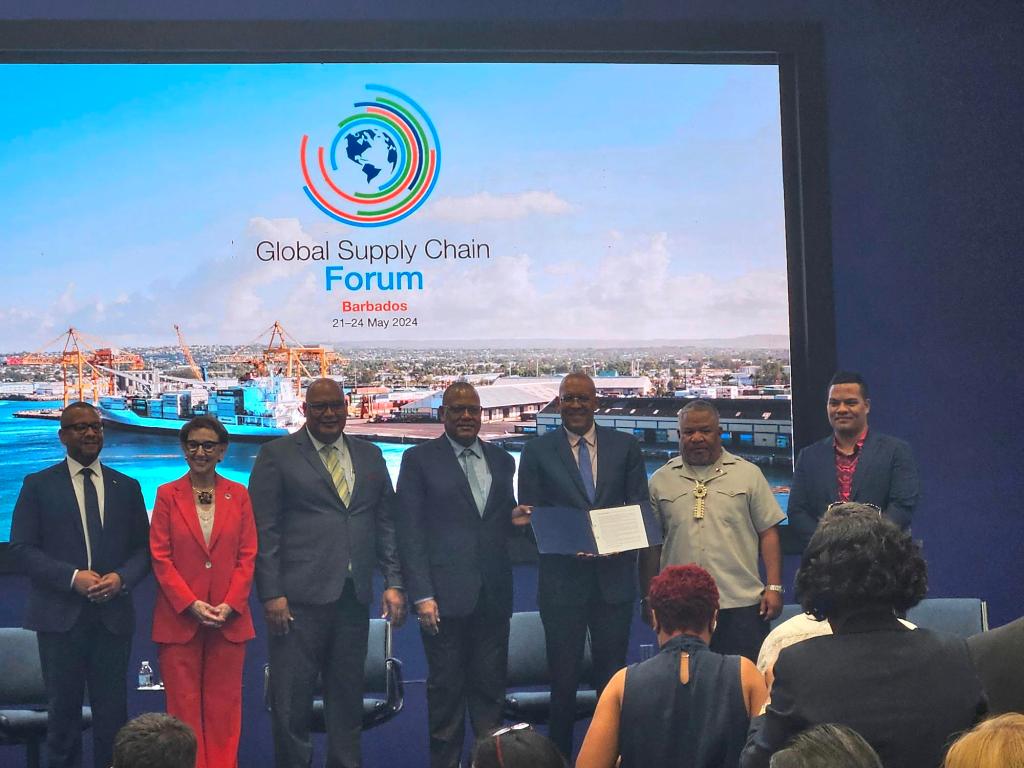
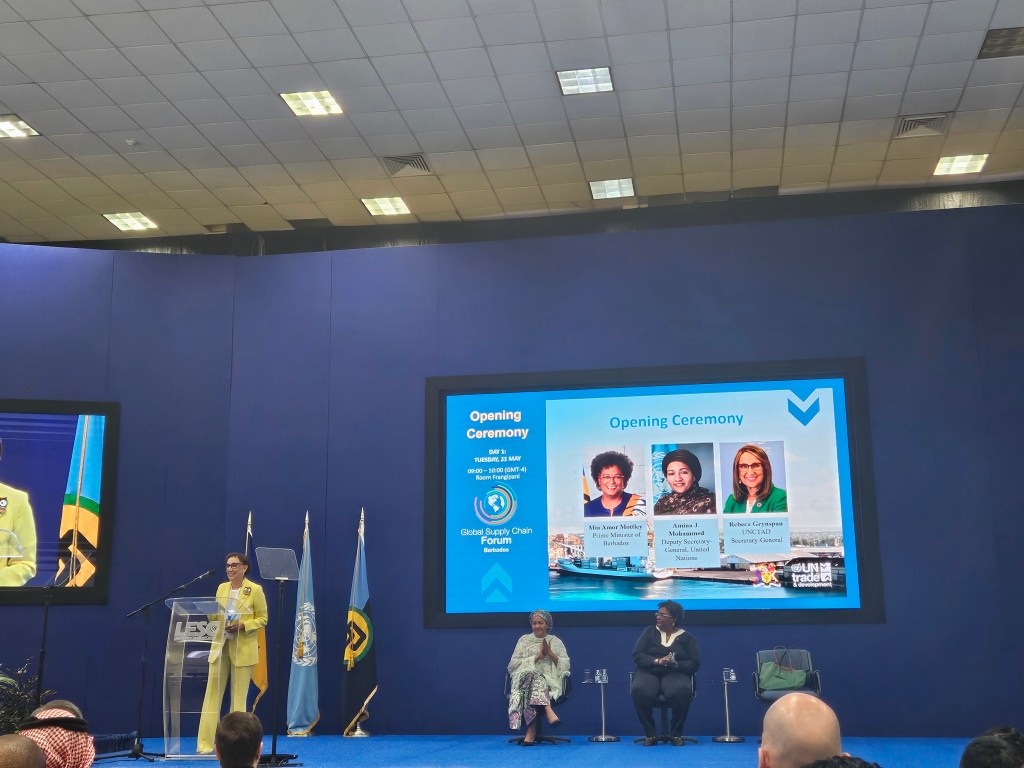
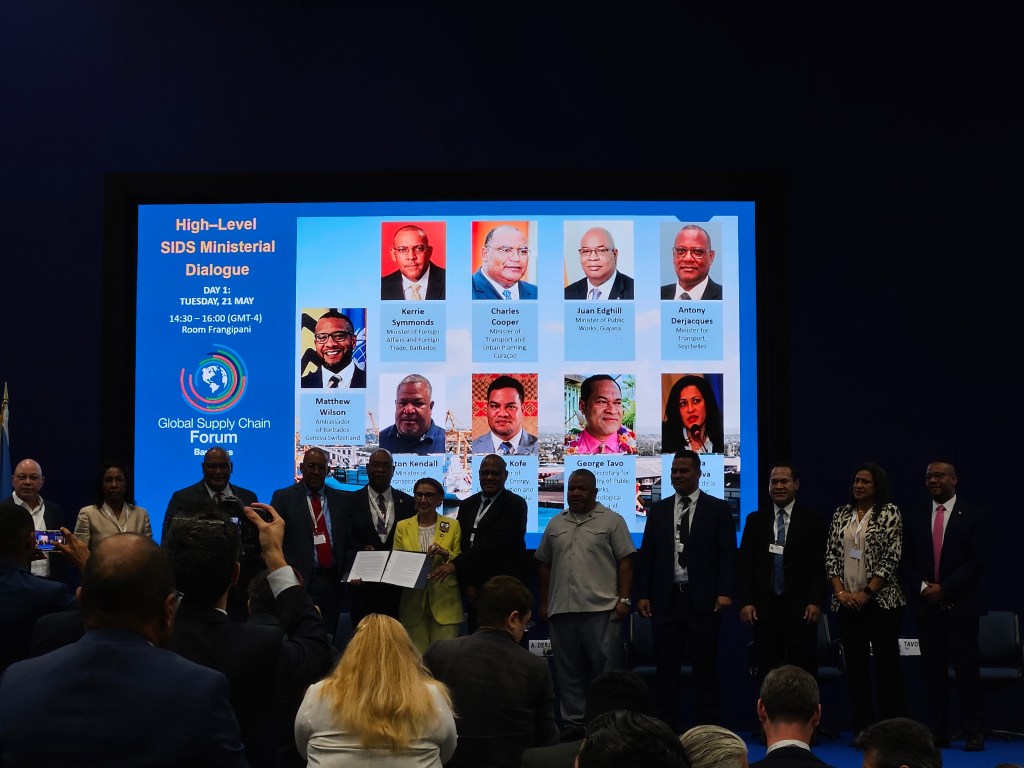
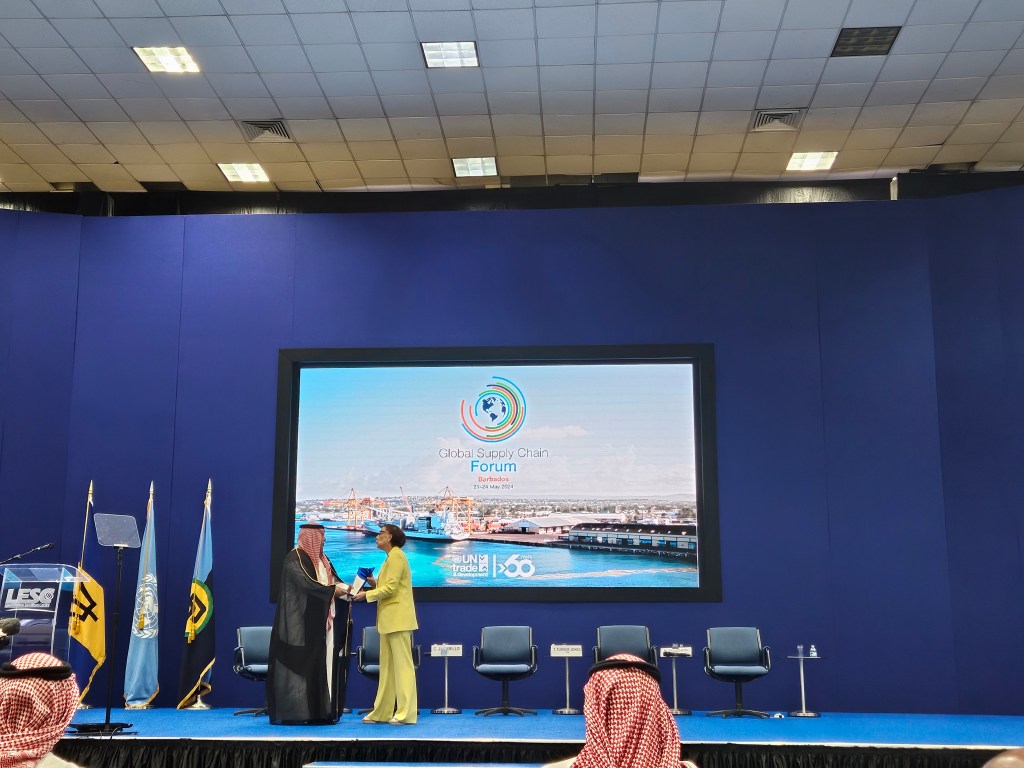
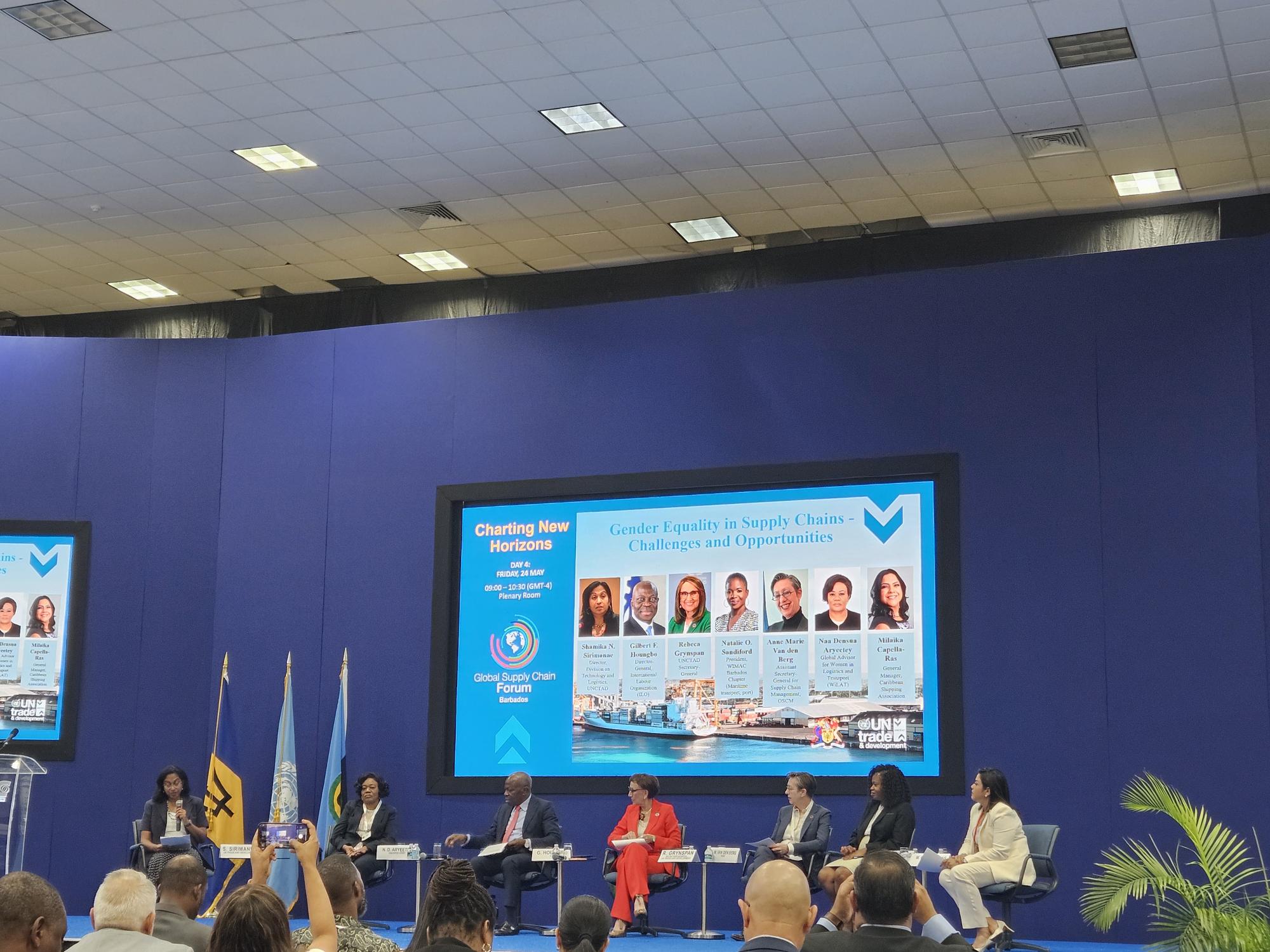
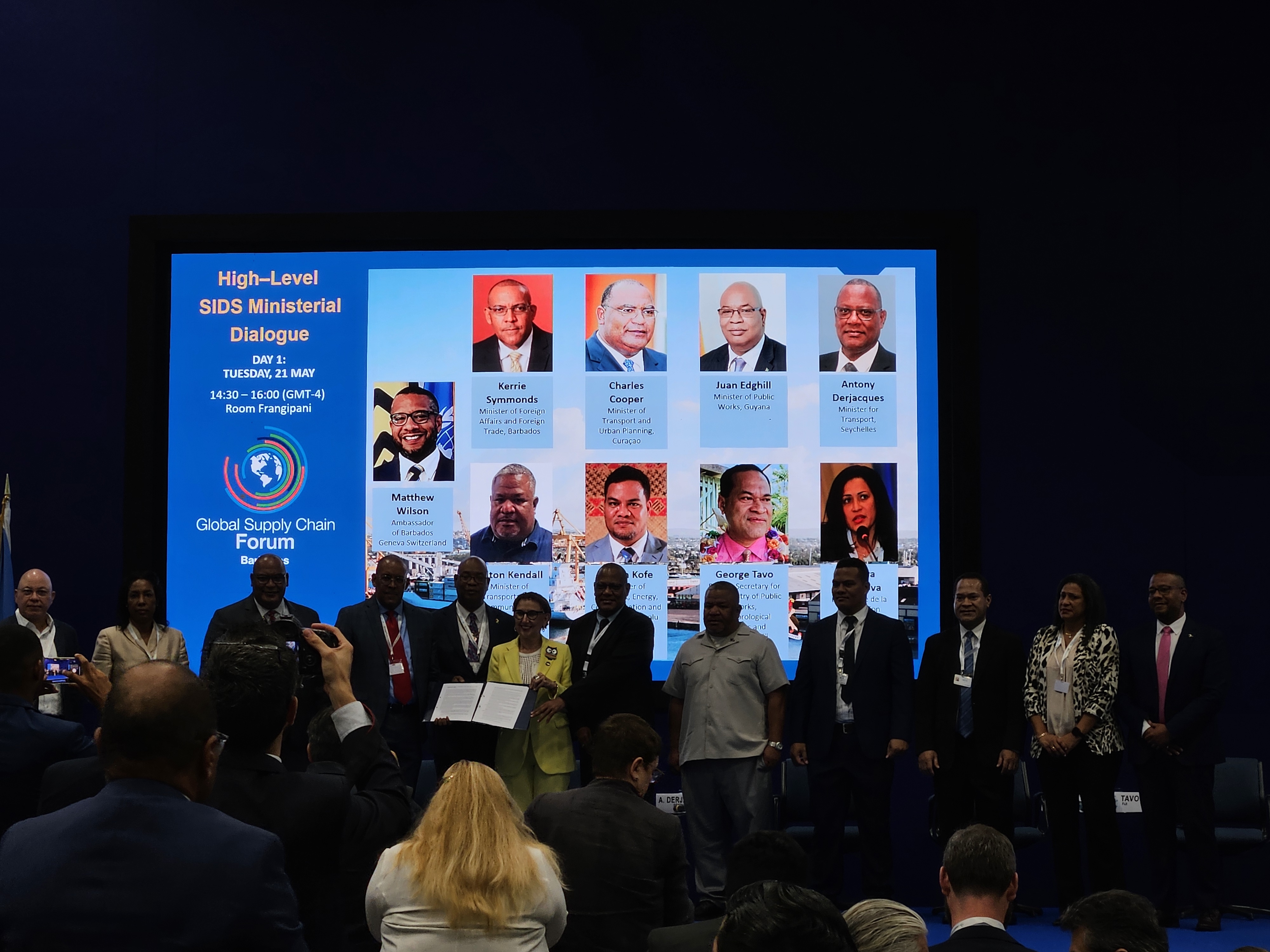
    The Caribbean region will play host to at least two important international trade and development-related meetings over the next twelve months. First, from May 21-24, UNCTAD and the Government of Barbados will host the first Global Supply Chain Forum in Barbados. Second, Antigua & Barbuda will host the 4th International Conference on Small Island Developing States from May 27-30. The West Indies and the USA will co-host the International Cricket Council’s Men’s T-20 World Cup 2024 which promises to bring a influx of tourists. It is an opportunity for the Caribbean region to showcase not just its signature hospitality, but its goods and non-tourism services to the world.

    Nearshoring and friendshoring trends

    The global supply chain disruptions caused by the COVID-19 pandemic exposed the vulnerabilities of long supply chains, leading to an acceleration of reshoring and nearshoring over the past few years. Friendshoring – companies setting up in or sourcing more from countries which are political and economic allies of their home government – has also gained momentum due to geopolitical tensions such as the US-China trade war. Mexico has been a major beneficiary of these trends, eclipsing China to become the US’ largest trading partner in 2023. Several countries in the Caribbean region, particularly Jamaica, have sought to capitalise on these trends, leveraging their geographical location, infrastructure and talent pool as key selling points for US companies seeking to shorten their supply chains by sourcing regionally or to set up operations closer to home.

    Intra-regional travel and trade

    The year started with news that the Governments of Barbados, Guyana and Trinidad & Tobago have agreed to establish an intra-regional ferry service. This is a welcomed development as the twin issues of poor intra-regional connectivity and the high costs of intra-regional travel have long plagued intra-regional tourism and trade, undermining the spirit of regional integration as envisioned by the CARICOM project.

    Final thoughts

    2023 was a mixed bag and 2024 holds much uncertainty due to the multiple crises being faced. However, there are some bright spots as I mentioned. It will be up to our trade officials and the private sector – the people who actually trade – to continue to explore how we can turn some of these lemons into lemonade, that is, by turning challenges into opportunities for regional trade and development. With this, I wish all readers a happy new year. As usual, I look forward to following these and other trade developments with you.

    Alicia Nicholls, B.Sc., M.Sc., LL.B. is an international trade specialist and founder of the Caribbean Trade Law and Development Blog.

  • CARICOM and Canada launch a Strategic Partnership

    CARICOM and Canada launch a Strategic Partnership

    The Caribbean Community (CARICOM) and Canada have launched a strategic partnership. Building on many years of political and economic ties between Canada and the Caribbean region, this new partnership is an outcome of their recently concluded Canada-CARICOM Summit. The Summit’s theme was “Strategic Partners for a Resilient Future” and was held in Ottawa, Canada, October 17-19, 2023.

    Please see below from the CARICOM Secretariat:

    1. INTRODUCTION

    Bound by an unwavering friendship, Canada and the Caribbean Community (CARICOM) seek to formalize their vibrant and multi-faceted partnership, as natural hemispheric partners, with strong and lasting foundations built on deep people-to-people, historical and cultural ties, and mutual respect. Among the first to recognize the independence of CARICOM Member States, Canada remains steadfast in its trusted relationship with CARICOM over the years. This relationship, forged in the birth of new Caribbean nations, has evolved into an enduring strategic partnership amongst equals, based on a shared commitment to democracy, the rule of law, respect for human rights and the rules-based international order, and which aims to advance common foreign policy, trade, security, and development priorities.

    As global actors, Canada and CARICOM join forces to navigate evolving geopolitical events, including our most recent engagement in the triple crises of COVID-19, climate change, and food and energy insecurity.  Together we commit to joint action on shared priorities such as climate resilience; building inclusive and sustainable economies; enhancing multilateral cooperation; and bolstering bilateral and regional security, including working together to help restore the security and stability of Haiti for the benefit of its people. We are also committed to working together to promote gender and racial equality and inclusion in the hemisphere, and to strengthening our already deep people-to-people ties. We are committed to achieving the sustainable development goals (SDGs) and building strong, resilient and inclusive societies and economies.

    Marking the occasion of our first Summit to be held in Canada, we launch the Canada-CARICOM Strategic Partnership, to embed our close collaboration and cooperation on mutually agreed sectors.

    1. OBJECTIVES

    The Canada-CARICOM Strategic Partnership:

    • Serves as a permanent joint mechanism for regular dialogue, as well as for ad hoc consultations on issues of mutual interest, with responsibility for preparation, follow-up and implementation of joint actions, decisions and agreements between Canada and CARICOM.
    • Fosters the existing relationship between Canada and CARICOM through regular leader, ministerial and senior official level meetings to advance time-bound and agreed-upon roadmaps for action.
    1. STRUCTURE AND COORDINATION

    3a.General Coordination and Management

    Global Affairs Canada and the CARICOM Secretariat will co-lead the general coordination and management of the Strategic Partnership. Collaborative partnerships can be forged between competent institutions in Canada and relevant regional organizations in CARICOM in order to drive dialogue and implement initiatives.

    3b.       Structure and Frequency of Meetings

    The Canada-CARICOM Strategic Partnership is comprised of regular leader-level engagement to set overarching priorities and interests to advance and further deepen the partnership in addition to concurrent formal and ad hoc fora:

    1. Canada-CARICOM Foreign Ministers’ Group (CCFMG): meet annually to advance overarching priorities through substantive discussions on issues impacting the Caribbean region and the hemisphere, emerging trends and solutions to common challenges. Based on the agenda and discussions during the CCFMG, Ministers will set annual priorities for officials to guide the implementation of a Canada-CARICOM evergreen Roadmap for action. Foreign Ministers will report to Leaders through a joint letter from Canada’s Foreign Minister and the Council for Foreign and Community Relations (COFCOR) pro-tempore Chair of CARICOM describing engagement, progress to date and joint action to advance the Strategic Partnership.
    2. Canada-CARICOM Ministerial Meetings: ad-hoc ministerial-level meetings to advance specific thematic priorities, including on Trade, Development, Finance, Health, Environment, and Defence, etc.
    3. Canada-CARICOM Senior Officials’ Dialogue: the annual CCFMG meeting is preceded by the Senior Officials’ Dialogue, which serves as a preparatory meeting for Foreign Ministers’ substantive discussions on topline issues, and reviews progress and implementation of the Canada-CARICOM Roadmap.
    4. Canada-CARICOM Expert Dialogues: ad-hoc expert dialogues between relevant Canadian and CARICOM Institutions could be established to advance thematic priorities and actions listed in the Canada-CARICOM Roadmap, including bilateral, regional and multilateral initiatives. Expert groups would meet before and after major international summits, including – but not limited to – UNGA, the OAS, WHO, the Commonwealth, the G7 and the G20, to deepen coordinated action on multilateral priorities of democracy, human rights, and the rules based international order and amplify advocacy for hemispheric challenges. Expert groups would report on concrete progress at the annual Senior Officials’ Dialogue, to ensure effective and sustainable progress is being made on thematic lines of activity.
    5. Capacity Building and Technical Assistance: to deepen institutional linkages through training, knowledge exchange, capacity building and technical assistance initiatives, including considering secondments as a form of exchange program, where a CARICOM official is embedded in a federal organisation and vice-versa in the Secretariat or within a CARICOM Member State’s organisation.
    6. Special ad-hoc meetings: could be held at the request of Canada or CARICOM.
    1. LAUNCH OF THE CANADA-CARICOM STRATEGIC PARTNERSHIP

    Pursuant to the Co-Chairs’ Statement of the Second Meeting of the Canada-CARICOM Foreign Ministers’ Group, the Canada-CARICOM Strategic Partnership is hereby launched by Leaders at the Canada-CARICOM Summit in Ottawa, 18 October 2023.

  • CARICOM-US Trade and Investment Council to meet in Georgetown, Guyana

    CARICOM-US Trade and Investment Council to meet in Georgetown, Guyana

    CARICOM-U.S. Trade and Investment Council to meet in Georgetown
    (CARICOM Secretariat, Turkeyen, Greater Georgetown, Guyana – Wednesday, 11 October 2023):   The trade and investment relationship between the Caribbean Community (CARICOM) and the United States of America (USA) will come under review on Friday, 13 October when representatives of the two sides meet in Georgetown, Guyana.

    Agricultural sustainability, food and nutrition security, matters pertaining to the Caribbean Basin Initiative, trade in services, trade facilitation and good regulatory practices, are on the packed agenda of the Ninth Meeting of the CARICOM-United States Trade and Investment Council, at the CARICOM Secretariat headquarters.

    The two sides are expected to review the Caribbean Basin Initiative (CBI), the U.S. trade preference programmes for the Region and explore ways in which to enhance the trade and investment relationship between the United States and CARICOM.
     
    As CARICOM accelerates efforts to achieve the goal of 25 percent reduction in food imports by the year 2025, the discussion on agricultural sustainability and food and nutrition security would highlight the use of biotechnology and other tools to promote climate resilience in agriculture, and CARICOM’s 25 by 2025 initiative.

    On trade facilitation, officials are expected to discuss avenues for streamlined procedures to facilitate exports and the participation of micro, small and medium enterprises (MSMEs) in international trade.

    CARICOM and U.S. representatives would also examine ways to enhance engagement under the Trade and Investment Framework Agreement (TIFA). This agreement rationalizes CARICOM and Unites States’ desire to promote long-term development, expansion, and diversification of trade in products and services. 

    The Meeting will be co-chaired by HE Felix Gregoire, Ambassador of Dominica to CARICOM and the OECS, on behalf of CARICOM and by Ambassador Jayme White, Deputy US Trade Representative on behalf of the US. 
  • BRICS Summit 2023: Expanded Development Options for the Global South

    BRICS Summit 2023: Expanded Development Options for the Global South

    By Tracia Leacock, PhD – Guest contributor

    The 15th BRICS Summit was convened from Tuesday, August 22 to Thursday, August 24, 2023, in Johannesburg, South Africa. The BRICS acronym represents the fact that the current grouping comprises the five nations of Brazil, Russia, India, China, and South Africa, among the world’s largest and fastest growing emerging markets and developing countries, across continents. BRICS aims to serve as a platform for the voices and interests of the Global South.

    As of 2022, the current five BRICS nations accounted for approximately 25 percent of global GDP (but 31.5 percent in terms of purchasing power parity (PPP), already surpassing the G7’s 30 percent), nearly 20 percent of global trade, 42 percent of the entire global population, and 26 percent of the world’s landmass. Intra-BRICS trade in 2022 topped $762 billion.

    All five BRICS nations were represented at the leaders’ discussions by their heads of state (Russia’s President, Vladimir Putin, attended via videoconference, with Foreign Minister Sergey Lavrov leading the in-person delegation).

    This year’s gathering garnered the most media attention of any BRICS summit and was the most heavily attended. South Africa’s President, Cyril Ramaphosa, invited the leaders of all 54 African states, as well as of 15 other Global South nations, in addition to representatives of major international organisations and regional groupings, including the United Nations and the G77+China (which presently includes 134 developing nations, and was represented by Cuba’s President, Miguel Díaz-Canel Bermúdez). 

    During this highly anticipated BRICS summit, member states deliberated on various global affairs issues. Some salient points are as follows[1]:

    Clarification about what BRICS represents

    BRICS leaders emphasised that, contrary to rumours in some pre-summit news coverage, the group is not aiming to challenge the West.

    Brazil’s President Lula da Silva said, “We do not want to be a counterpoint to the G7, G20 or the United States.” “We just want to organise ourselves.” India’s Prime Minister Narendra Modi called on BRICS to be “the voice of the Global South.” Chinese President Xi Jinping also rejected “bloc confrontation,” insisting that “hegemonism is not in China’s DNA,” and called on BRICS to build a more just and equitable international order.

    Reform of global financial institutions

    “…We require a fundamental reform of the global financial institutions so that they can be more agile and responsive to the challenges facing developing economies…,” Ramaphosa told the summit’s Business Forum on Tuesday, August 22.[2] He lauded the achievements made by the New Development Bank (NDB). Known as the BRICS bank, NDB was established by the group in 2015 as an alternative to traditional Multilateral Development Banks (MDBs) such as the IMF and the World Bank.

    In an August 22 interview with Financial Times (FT), Dilma Rousseff, former President of Brazil, and now President of the Shanghai-based NDB, stated that the bank, which already makes loans in China’s renminbi (yuan) currency, would also lend in the national currencies of other BRICS states: Brazilian real, Indian rupee, and South African rand.[3]

    Per FT:

    Rousseff said lending in local currency would allow borrowers in member countries to avoid exchange rate risk and variations in US interest rates. “Local currencies are not alternatives to the dollar,” she said. “They’re alternatives to a system. So far the system has been unipolar…it’s going to be substituted by a more multipolar system.”

    The Brics bank has also tried to distinguish itself from the World Bank and IMF by not setting lists of political conditions on loans. “We repudiate any kind of conditionality,” Rousseff said. “Often a loan is given upon the condition that certain policies are carried out. We don’t do that. We respect the policies of each country.”[4]

    NDB aims to issue 30 percent of its loans in local currencies by 2026, and 40 percent of funding is allocated to climate change mitigation and adaptation, including energy transition.

    Global governance reform

    In his plenary address, Ramaphosa said: “The world is changing. New economic, political, social and technological realities call for greater cooperation between nations. These realities call for a fundamental reform of the institutions of global governance so that they may be more representative and better able to respond to the challenges that confront humanity.”

    Point 7 of the summit’s final communiqué also calls for “a comprehensive reform of the UN, including its Security Council, with a view to making it more democratic, representative, effective and efficient, and to increase the representation of developing countries.…”

    Point 8 supports “the open, transparent, fair, predictable, inclusive, equitable, non-discriminatory and rules-based multilateral trading system with the World Trade Organisation (WTO) at its core, with special and differential treatment (S&DT) for developing countries, including Least Developed Countries.”

    Sustainable development goals (SDGs) and climate mitigation

    UNCTAD Secretary General, Rebeca Grynspan, in an interview with Xinhua news service ahead of the BRICS summit, called for a more inclusive multilateral system, naming China’s Belt and Road Initiative (BRI) as an example for cooperation on sustainable development.

    “We need the voice of the South in revitalizing the sustainable development goals as the only real commitment for solidarity and collective action at the global level,” said Grynspan. “All the BRICS countries are also in the G20. We want to make multilateralism more vibrant, more inclusive, and to help build a more multilateral world even in a moment of more multipolarity.” “It’s important to have another platform that represents the perspective of the developing world and the need for development and more opportunities.”[5]

    South African President Ramaphosa said that “…BRICS nations need to advance the interests of the global south and call for industrialised countries to honour their commitments to support climate actions by developing economic progress….”

    Options for global trade currencies and payment settlement systems

    At a BRICS summit plenary session Putin said, “…we see a need in increasing the role of our states in the international monetary and financial system, the development of interbank cooperation, the expansion of the use of national currencies and the deepening of cooperation between tax, customs, and antimonopoly authorities.”

    Pointing out that “Global economic recovery relies on predictable global payment systems and the smooth operation of banking, supply chains, trade, tourism and financial flows,” Ramaphosa also added that BRICS “will continue discussions on practical measures to facilitate trade and investment flows through the increased use of local currencies.”

    At present, BRICS members China and Brazil conduct their $170 billion of trade in their national currencies. China and Russia also settle 80 percent of their $190 billion trade in renminbi (yuan) and ruble using China’s CIPS and Russia’s SPFS payments settlement systems. Other nations settling part of their trade in yuan include Bolivia and Argentina, which recently also used yuan for an IMF loan payment. India offers rupee accounts with a growing number of trade partners, including Guyana.

    Additionally, each of the current five BRICS nations is piloting or trialling its own Central Bank Digital Currency (CBDC), a concept invented and pioneered on the Caribbean island of Barbados.

    Anil Sooklal, South Africa’s BRICS Sherpa said, “What we are talking about is creating more financial inclusion in terms of global financial transactions, global financial trade and how we conduct our payment.”

    The group indicated that complex discussions about a common trade currency are ongoing and would be explored at next year’s summit. Currency deliberations were led by Standard Bank Group CEO Sim Tshabalala, who indicated that the BRICS Business Forum gave noteworthy consideration to Afreximbank’s Pan-African Payment and Settlement System (PAPSS) for cross-border payments within Africa.[6]

    Reuters also reported that “South Africa’s finance minister said on Thursday that the BRICS grouping would not be looking to replace international payment systems including SWIFT, but rather consider creating one that would strengthen trade in local currencies.”[7]

    Such a BRICS platform would hold potential for “networking the networks,” i.e., serving as an umbrella mechanism interconnecting geographically dispersed “satellite” national, regional, and coalitional payment systems.  

    Expansion of BRICS grouping to incorporate more Global South nations

    In 2022 BRICS announced that it would consider accepting new members, and in the lead-up to this year’s summit, over 40 nations expressed interest in joining, with 22 nations submitting formal applications and another 20 making informal enquiries.

    At the end of the summit, current BRICS members announced that they have invited six nations, Argentina, Egypt, Ethiopia, Iran, Saudi Arabia, and the United Arab Emirates (UAE), to become full members of BRICS effective January 1, 2024.

    By including three OPEC nations (Saudi Arabia, UAE, and Iran), BRICS membership will now count six of the world’s top 10 oil producing nations (with almost 50 percent of both global oil production and reserves), and at least four of the world’s top 10 gas producing nations (in total, seven of the top 20) in its fold. By including Argentina, the group now has three of the top five lithium producing countries (Brazil and China being the other two). Recently, Iran also has discovered vast lithium deposits, potentially the world’s second largest reserves. In addition, BRICS includes four of the top five agricultural producing countries (now seven of the top 20). This expanded BRICS group includes seven of the G20 nations, thereby solidifying the input of the Global South.[8]

    South Africa’s Minister of Finance, Enoch Godongwana, has indicated that this is just the first phase of admission of new members. BRICS leaders already have embarked on a second round of discussions, seeking consensus on additional member nations.[9] More countries are still in the queue to join BRICS, with Algeria, Bangladesh, Bolivia, Cuba, Indonesia, Kazakhstan, Kuwait, Thailand, Venezuela, and Vietnam among them. By next year’s summit, BRICS also aims to develop further guidelines for accepting prospective partner countries.

    Fortification and diversification of global supply chains

    In point 33 of the BRICS Summit 2023 final communiqué, the members state: “We encourage further cooperation among BRICS countries to enhance the interconnectivity of supply chains and payment systems to promote trade and investment flows.”

    A cursory glance at a map of the globe will suffice to demonstrate the impact of this new phase of BRICS member expansion on stabilising global supply chains and securing key maritime and overland trade routes. The following graphic from an article by Marcus Lu (and Bhabna Banerjee) is useful[10]:

    Russia–Ukraine conflict

    Addressing the open plenary session of the summit, Ramaphosa said, “BRICS has proven itself to be a credible entity that stands in solidarity and seeks to promote a more equitable global system. We thank you also for the efforts that are being made by a number of BRICS countries to bring about a peaceful end to the conflict between Ukraine and Russia…. We agree that… these types of conflicts are best brought to an end by negotiations…BRICS members will continue to be supportive of the various efforts to bring this conflict to an end through dialogue, mediation and negotiation.”

    Tracia Leacock, Ph.D. is an Independent Research and Content Consultant, with a keen interest in international relations. She may be contacted via Linkedin here.


    [1] The full joint statement for BRICS Summit 2023 is accessible at member states’ government websites. PDF link at South Africa presidency website, “XV BRICS Summit Johannesburg II Declaration,” August 23, 2023, https://www.thepresidency.gov.za/content/xv-brics-summit-johannesburg-ii-declaration-24-august-2023

    [2] In point 10 of the BRICS Summit 2023 final communiqué, the members state: “We call for reform of the Bretton Woods institutions, including for a greater role for emerging markets and developing countries, including in leadership positions in the Bretton Woods institutions, that reflect the role of EMDCs in the world economy.”

    [3] NDB lending in Russian ruble was suspended with the onset of the Russia–Ukraine conflict.

    [4] Michael Stott, Financial Times (FT), August 22, 2023, “Brics bank strives to reduce reliance on the dollar,” https://www.ft.com/content/1c5c6890-3698-4f5d-8290-91441573338a

    [5] Martina Fuchs, Xinhua, August 22, 2023, “Interview: UNCTAD chief urges ‘inclusive multilateral system’ ahead of BRICS summit,” https://english.news.cn/20230822/f8ed708a1c074b2b8f7f2d71bbd96f0a/c.html

    [6] Siphelele Dludla, DFA, August 23, 2023, “BRICS nations reach stalemate on potential common reserve currency,” https://www.dfa.co.za/opinion-and-features/brics-nations-reach-stalemate-on-potential-common-reserve-currency-2e19b006-2340-41a0-ac5a-05256b8befea/

    [7] Reuters, August 24, 2023, “BRICS payment system would not replace SWIFT—S. Africa finance minister,” https://www.reuters.com/world/africa/brics-payment-system-would-not-replace-swift-safrica-finance-minister-2023-08-24/

    [8] See Marcus Lu (and Bhabna Banerjee), Visual Capitalist, August 24, 2023, “Visualizing the BRICS expansion in 4 charts,” https://www.visualcapitalist.com/visualizing-the-brics-expansion-in-4-charts/, for a detailed overview of the impact of the BRICS expansion.

    [9] Nokukhanya Mntambo, Eyewitness News (EWN), August 26, 2023, “Algeria likely to be among second batch of countries to join BRICS—Godongwana,” https://ewn.co.za/2023/08/26/algeria-likely-to-be-among-second-batch-of-countries-to-join-brics-godongwana

    [10] Marcus Lu (and Bhabna Banerjee), Visual Capitalist, August 24, 2023, “Visualizing the BRICS expansion in 4 charts,” https://www.visualcapitalist.com/visualizing-the-brics-expansion-in-4-charts/