Tag: Barbados

  • CARICOM and the African Union to deepen ties: Why this is a good idea!

    CARICOM and the African Union to deepen ties: Why this is a good idea!

    Alicia Nicholls

    Caribbean-African relations have become an exciting and refreshing trade space to watch in recent months. Over the past few weeks, two African leaders (Their Excellencies President Nana Akufo-Addo of Ghana and President Uhuru Kenyatta of Kenya) paid separate official visits to the Caribbean. Barbados’ Prime Minister, the Hon. Mia Amor Mottley also paid a state visit to Morocco in June 2019.

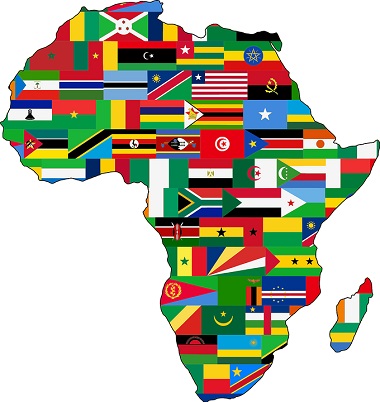
    It was also announced earlier this month that the Caribbean Community (CARICOM) would over the next year seek to deepen and formalise cooperation with its African equivalent – the African Union (AU). This article takes a brief look at why formalization of south-south cooperation and engagement between CARICOM and the African Union is a good idea.

    CARICOM and AU have more similarities than differences

    The formal relationship between the two regions has been mainly through their participation in the Africa, Caribbean, Pacific (ACP) and the Commonwealth of Nations groupings, and not directly bilateral. But change is on the horizon. In 2012, Heads of State and Government of the African Union, the Caribbean and South America concluded the Global African Summit with a declaration which outlined a plan of action for forging political, economic and social cooperation between the AU and ‘all inter-governmental entities in regions in which African Diaspora populations are part of’, which includes CARICOM.

    As I wrote in a previous article a couple of weeks ago, there is much promise for expanding and deepening economic and political relations between Africa and the Caribbean. A boost would be, of course, formal collaboration between CARICOM and the AU.

    CARICOM is an intergovernmental organization of fifteen mostly English-speaking Caribbean States and territories founded on July 4, 1973 by the Treaty of Chaguaramas (revised in 2001). It was preceded by the Caribbean Free Trade Agreement (CARIFTA) which lasted from 1968-1973 and the West Indian Federation (1958-1962). CARICOM has a collective population of approximately 18 million. Its secretariat is based in Georgetown, Guyana. Twelve CARICOM Members are currently full members of the CARICOM Single Market and Economy (CSME).

    The AU is a 55-nation pan-continental, intergovernmental organization which was officially launched in July 2002. The AU has a population of just over 1 billion. Its secretariat is in Addis Ababa, Ethiopia. The AU has launched Agenda 2063, an ambitious plan to transform the continent into a global powerhouse. There are currently eight regional economic communities considered ‘building blocks’ of the AU, and diaspora relations are also integral to the AU.

    Both CARICOM and the AU are intergovernmental organisations which encompass post-colonial States with cultural and linguistic differences, facing a myriad of challenges and varying levels of development. Both are in the process of wide-scale regional integration projects. CARICOM, for instance, is in the process of trying to consolidate its CSME. The African Continental Free Trade Agreement (AfCFTA), which was signed in March 2018 and currently has 54 signatories, seeks to create a seamless pan-African economic space. The AfCFTA came into effect in May 2019 and the process has started for the Agreement’s operationalization.

    There are, of course, differences between the two regions which may impact on the policy and negotiating positions taken in multilateral fora. For example, most CARICOM countries are services-based (mainly tourism and/or financial services) economies, with the exception of Belize, Guyana, Suriname and Trinidad & Tobago where commodities trade is important. In the mostly resource-rich African countries, however, commodities trade is king. Most Caribbean countries are Small Island Developing States (SIDS), while those in the AU include mainly landlocked and coastal continental States. The only six AU SIDS are Comoros, Guinea Bissau, Mauritius, Sao Tome e Principe and Seychelles. Moreover, 33 of the 55-member AU are classified by the United Nations (UN) as Least Developed Countries (LDCs), while Haiti is the only LDC in CARICOM.

    Despite these differences, which should not be overlooked, I believe the prospects for CARICOM/AU collaboration and engagement are very promising. Both regions can learn from each other as they seek to deepen their integration projects. There is also scope for closer Caribbean/Africa multilateral collaboration on issues of mutual interest, such as confronting the growing threat of unilateralism and protectionism; the achievement of the United Nations’ 2030 Agenda and its 17 Sustainable Development Goals (SDGs) and their targets; de-risking by global banks; climate change; reform of the World Trade Organisation (WTO); securing reparations, to name a few. Intra-regional cooperation prospects are also promising in many areas such as agriculture, education, the creative industries, renewable energy, medicine/health, the blue and green economies, sports, information and communications technology (ICTs), for example.

    Moreover, Barbados’ upcoming co-hosting of the UNCTAD 15 Quadrennial in October 2020 provides further prospects for collaboration on important multilateral trade and development issues. It is interesting to note that UNCTAD 14 was held in Nairobi, Kenya so there is the opportunity for Kenya to share with Barbados its experience in the successful hosting of the UNCTAD 14.

    Plans for Deepening CARICOM/AU ties  

    A press release issued by the CARICOM Secretariat noted that CARICOM Secretary General Ambassador Irwin LaRocque and Deputy Chair of the African Union Commission (AUC), His Excellency Kwesi Quartey, discussed the need for continued ACP solidarity in the on-going negotiations for the Post-Cotonou Agreement with the European Union (EU) and agreed to explore collaboration on multilateral areas of concern, such as climate change.

    The CARICOM press release further noted that the two leaders “took the opportunity to consider some of the areas in which their two organisations could work together including the formalisation of an institutional relationship between CARICOM and the AU to promote cooperation and to strengthen the deep bond of friendship between Africa and the Caribbean.”

    Moreover, St. Lucia Times has quoted St. Lucian Prime Minister, the Hon. Allen Chastanet, as stating that there will be a planned CARICOM and the AU Summit and the signature of a Memorandum of Understanding establishing a framework for engagement and cooperation. Prime Minister Chastanet is further quoted by this news agency as stating that “Barbados and Suriname will partner in establishing an Embassy in Ghana, while Barbados and Saint Lucia will partner in establishing an Embassy in Kenya.”

    During President Kenyatta’s visit, Barbados and Kenya have also committed to negotiating a Double Taxation Agreement and Bilateral Investment Treaty with each other, and discussed collaboration in areas such as ICTs, renewable energy, sports, the blue economy, health, education and air services. Kenya has also sought the Caribbean’s support in its bid for a seat on the UN Security Council.

    While this high-level political commitment to greater Caribbean-African engagement is needed and commendable, it is firm to firm, university to university and people to people collaboration which will transform deeper Caribbean-African relations from an aspiration to reality. An important step, therefore, will also be formalizing relations between private sector organisations, business support organizations, investment promotion agencies, universities and tourism boards in the Caribbean and Africa in order to promote Caribbean-Africa trade and investment in both traditional and emerging sectors, research and tourism. On this note, it was welcomed news that there will be commencement of engagement between the private sectors of Barbados and Kenya, as well as deeper university collaboration.

    Alicia Nicholls, B.Sc., M.Sc., LL.B., is an international trade and development consultant with a keen interest in sustainable development, international law and trade. You can also read more of her commentaries and follow her on Twitter @LicyLaw.

    DISCLAIMER: All views expressed herein are her personal views and do not necessarily reflect the views of any institution or entity with which she may be affiliated from time to time.

  • Greening Caribbean Festivals

    Greening Caribbean Festivals

    Alicia Nicholls

    Festivals, inclusive of carnivals, are a defining feature of the Caribbean entertainment and cultural landscape. Be it music, food, arts, film or fashion, there is a Caribbean festival for everyone. In Barbados, for instance, we just concluded our Crop Over Festival – a three-month long summer festival with a variety of music competitions and other cultural offerings which culminate with street revelers bedecked in colorful costumes dancing to Soca music on what we call Grand Kadooment Day – the first Monday of each August.

    It is by now well-known that festivals make an important contribution to Caribbean economies and are among our countries’ biggest service exports. Festivals attract visitors from around the Caribbean and the world, generate foreign exchange inflows and other economic spillovers, and showcase our rich cultural and creative industries. Our biggest Barbadian superstar Rihanna is a well-known face among the revelers on Grand Kadooment Day.

    But what is less ventilated is the impact of Caribbean festivals on our fragile environments and how we can make them not just profitable but planet-friendly. This article provides an initial discussion as part of my on-going research on this topic.

    The environmental impact of festivals

    All festivals have an environmental footprint. They utilize finite resources such as water, fuel and electricity. They generate greenhouse gas (GHG) emissions from patrons driving to and from festival venues, as well as create waste and noise pollution.

    A significant amount of festival waste comes from single-use plastics. Thankfully, an increasing number of Caribbean countries have begun implementing bans on the importation, sale or use of single-use plastics which cuts down on the amount of waste generated from Styrofoam food containers, straws, plastic plates and cutlery. In Barbados, due to the recently implemented ban on single-use plastics, it was refreshing to see persons jumping on Kadooment Day with reusable cups in their hands instead of utilizing plastic cups.

    But waste is not only generated from these easily identifiable plastics. Scientists warn that microbeads like glitter, a staple of many costumes and cosmetics, are an often overlooked form of microplastics which can be ingested by marine life and contaminate our food chains. Waste is also generated from paper used in the printing of promo flyers, printed tickets and programmes.

    The literature on the environmental impact of festivals remains limited and is confined primarily to festivals in developed countries, such as the UK, Australia and the US. While I am unaware of any study which comprehensively measures the environmental impact of Caribbean festivals, a report by UK not-for-profit think tank Powerful Thinking studying the environmental impact of UK festivals may be instructive. While the UK festival experience might not be directly analogous to ours in the Caribbean as their major festivals often require patrons to travel and camp on-site, it still provides a useful point of departure for the environmental impacts festivals can have.

    The Powerful Thinking Report found that the UK festival industry, which attracts over 3 million people per year, produces 23,500 tonnes of waste and is responsible for nearly 20,000 tonnes of on-site carbon dioxide (CO2) emissions annually. This latter statistic should give us pause given the impact which GHGs like carbon dioxide have on climate change which is one of the biggest threats facing Small Island Developing States (SIDS) like those in the Caribbean. The report, however, also found that 78% of festival organisers in the UK have an environmental policy. The Glastonbury Festival, for example, has green policies for waste, energy and water on its website.

    How can our festivals go greener?

    In the Caribbean many of our big-ticket festivals are organized by government-run entities, but others are private sector initiatives. While no festival can be completely carbon or environmentally neutral, it is incumbent on our festival planners and organizers to make environmental sustainability a priority in our festival planning efforts to minimize their environmental impact.

    As previously noted, other festivals around the world are also grappling with how to make their festivals greener and are implementing policies to address this. The previously mentioned Powerful Thinking Report also offered several key recommendations to enable British festivals to meet the challenge of achieving a 50% reduction in emissions compared to 2014 by 2025. Some of these include local sourcing of food products, reducing food waste and segregating materials onsite.

    Empirically studying the environmental and carbon impact of Caribbean festivals will assist in designing evidence-based environmental policies for our festivals that are tailored to our Caribbean realities.  Something as simple as ensuring there are enough strategically placed garbage receptables could help reduce the likelihood of litter, as well as using recycling to reduce the amount of waste to going to the landfill. Festival organisers can either provide reusable cups or encourage participants to walk with their own reusable cups instead of using plastic cups. Biodegradable glitter can be used to reduce the plastic waste generated. Paper waste can be reduced by going paperless and making greater of digital technologies, such as event apps and e-tickets. In Barbados, a number of events now have park and ride options which can go a long way in reducing the CO2 emissions from multiple cars going to and from events. As noise pollution from late-night fetes and other events can be bugbear for residents, policies must be instituted regulating the times and locations of events in order to minimise noise pollution.

    Another option is international certification. The International Organization for Standardisation (ISO) has developed an International Standard for Sustainable Event Management (ISO 20121) that offers guidance and best practices for identifying, managing and mitigating the social, economic and environmental impacts of events. The ISO 20121 is not only for festivals, but other events such as conferences, concerts, sporting events and exhibitions. While the standard has not yet been widely adopted, some festivals, such as Spain’s Balelec Music Festival and Australia’s Sydney Festival, have opted to become ISO20121 certified in order to manage their environmental impact and enhance their image as part of their marketing efforts.

    The Way Forward

    Regrettably, many Caribbean countries do not publish extensive statistics, if any, on the economic impact of their festivals. Therefore, one recommendation would be that post-festival analyses be published and include an analysis of the environmental impact. This data would support the crafting of empirically sound greening policies and sensitise the public about the importance of environmentally-friendly practices even when they are, as we say in the Caribbean, ‘playing mas’.

    As always, the elephant in the room is what impact these greening initiatives may have on festival organizers’ bottom lines and whether any added costs from greening initiatives will be passed on to consumers, affecting the profitability of the festivals concerned. There is, therefore, the need to consider cost-effective greening options wherever possible.

    Greening our festivals should also not be seen as simply another cost imposition, but as an opportunity. Research has shown that millennials are more socially conscious than older generations and care much more about their carbon footprint. Millennials, therefore, are a ripe target market for festivals which are both fun, but also environmentally-friendly. Some UK festivals, like the Glastonbury Festival, use their environmental friendliness as part of their marketing strategies. Moreover, festival organizers’ demand for more environmentally friendly products could lead to start-ups specializing in such products.

    Above all, the costs to our Caribbean environments in the long run due to inaction would be much higher than the cost of positive action. Environmentally unsustainable festivals can negatively impact our geographical landscapes, contaminate the food we eat through marine pollution, the air we breathe and our climate. It is in our own interests as festival goers and organisers to ensure that we have enjoyable but also environmentally-friendly and sustainable festivals.

    Alicia Nicholls, B.Sc., M.Sc., LL.B., is an international trade and development consultant with a keen interest in sustainable development, international law and trade. You can also read more of her commentaries and follow her on Twitter @LicyLaw.

    DISCLAIMER: All views expressed herein are her personal views and do not necessarily reflect the views of any institution or entity with which she may be affiliated from time to time.

  • Why Barbados’ co-hosting of 15th UNCTAD Quadrennial is a big deal

    Why Barbados’ co-hosting of 15th UNCTAD Quadrennial is a big deal

    Alicia Nicholls

    Barbados has been successful in its bid to host the 15th Quadrennial Conference of the United Nations Conference on Trade and Development (UNCTAD) in October, 2020. In a strong nod to south-south cooperation, Barbados will co-chair the events with the United Arab Emirates (UAE) which will host the World Investment Forum and the first eCommerce Week for Asia in Abu Dhabi.

    On June 25th, the UNCTAD Trade and Development Board unanimously endorsed both countries’ bids, and the decision has been submitted to the UN General Assembly for their approval in September.

    For most Barbadians, trade and development issues seem remote. However, the success of our island’s bid is a significant achievement for several reasons. Headquartered in Geneva, Switzerland, UNCTAD is the United Nations’ main subsidiary organ dealing with trade and development matters. Barbados will be the first Caribbean country and first Small Island Developing State (SIDS) to host the quadrennial conference, which is UNCTAD’s highest decision making body which sets that organisation’s mandate and priorities every four years. The first quadrennial was held in Geneva, Switzerland in 1964 and the 14th Conference was held in Nairobi, Kenya in 2016.

    Barbados has always sought to be a leading global voice championing the issues affecting small States not only with regard to trade, but also climate change. For example, in 1994, Barbados hosted the UN Global Conference on Sustainable Development for Small Island Developing States, out of which had come the Barbados Programme of Action. Hosting the UNCTAD Quadrennial gives Barbados the opportunity to have a strong imprint in setting UNCTAD’s trade and development mandate and work priorities for the next four years.

    The UNCTAD Quadrennial and its side events are expected to attract a reported 3,500 visitors and delegates, including Heads of Government and State and other government representatives from UNCTAD’s 194 Member States, representatives of the private sector, civil society, academia and other international bodies and organisations. This is a potential boost to the island’s tourist arrivals and foreign reserves and another golden opportunity to showcase Barbados’ quintessential hospitality and culture on a global stage. The thematic side events include, for example, the World Youth Forum, the Global Commodities Forum and the World Civil Society Forum.

    Co-hosting such a momentous event with UAE is also an opportune catalyst for Barbados to deepen economic ties with that country.

    The Barbados delegation, which was involved in negotiations with UNCTAD for several months and which made their final pitch on June 24th, must be commended for their hard work and initiative.

    The UNCTAD press release on the success of Barbados’ bid may be read here.

    Alicia Nicholls, B.Sc., M.Sc., LL.B., is an international trade and development consultant with a keen interest in sustainable development, international law and trade. You can also read more of her commentaries and follow her on Twitter @LicyLaw.

    DISCLAIMER: All views expressed herein are her personal views and do not necessarily reflect the views of any institution or entity with which she may be affiliated from time to time.

  • Human Rights in the context of the International Climate Change Agenda

    Stefan Newton, Guest Contributor

    snewton
    Stefan Newton

    In her address to the 73rd Session of the United Nations General Assembly (UNGA), Prime Minister of Barbados, the Hon. Mia Mottley, abandoned a scripted speech and made a passionate appeal to United Nations (UN) Member states to make good on their commitments to climate change under the United Nations Framework on Climate Change (UNFCCC). She urged States to accelerate mobilizing the necessary funding for climate adaptation and mitigation under The Green Climate Fund.

    In thinly veiled remarks, she criticized the current position of the United States of America (USA) by refusing to acknowledge the reality of climate change, noting “For us it is about saving lives. For others it is about saving profits”. It is well known by now that the USA has regrettably withdrawn from the Paris Climate Agreement: which builds upon the UNFCCC and for the first time brings all nations into a common cause to undertake ambitious efforts to combat climate change and adapt to its effects, with enhanced support to assist developing countries to do so.

    Moreover, the Prime Minister pointed to the need for UN Member States to recognize that “mighty or small we must protect each other in this world”. In closing her speech, she appealed to the international community to exercise empathy and care for those States and their citizens who are most vulnerable to the effects of climate change. I humbly submit that this is perhaps the most significant speech given by a Barbadian leader to the United Nations, as it impinges on Barbados’ very survival as a nation State. Indeed, if climate change ambitions are not met, Barbados and its citizens will face very certain demise due to the effects of climate change.

    Climate Change is a Human Rights Problem

    While climate change is most often viewed as an environmental problem, it is also very much a human rights problem. Mary Robinson, the former president of Ireland and former High Commissioner for Human Rights, has described climate change as “probably the greatest human rights challenge of the 21st century”.

    Explicit mention of human rights is now being made in international climate agreements. The Preamble to the Paris Agreement to the UNFCCC calls for all States, when acting to address climate change, to “respect, promote and consider their respective obligations on human rights”. The World Bank Report on Human Rights and Climate Change highlights the relevancy of international human rights law to climate change by linking particular social and human impacts of climate change to special human rights standards under international human rights treaties, thereby confirming human rights impacts. For example, the right to life is the most fundamental human right and well enshrined in the Universal Declaration on Human Rights and International Covenant on Civil and Political Rights.

    A number of observed and projected effects of climate change will pose direct and indirect threats to the human right to life. The Intergovernmental Panel on Climate Change (IPCC) projects with high confidence an increase in people suffering from death, disease and injury from heat waves, floods, storms etc. Equally, climate change will affect the right to life through an increase in malnutrition, cardio- respiratory morbidity and mortality related climate change effects.

    Despite the clear human rights implications of failure to act to combat climate change, the international community is not “grasping the baton firmly” enough through decisive policy actions to reach the ambitions of the climate change agenda. The USA- Trump led administration seems to be a lost cause with its view that climate change is a fiction. Heeding Prime Minister Mottley’s call to climate action will most likely be viewed by them as a mere courtesy, not an obligation. However, it can be soundly argued that Prime Minister Mottley’s urging of States to protect each other from the effects of climate change, are not merely aspirational or appeals to international consciousness, but are linked to and grounded in legally binding international human rights principles.

    Legal Link between Human Rights and Climate Change

    The Office of the High Commissioner for Human Rights (OHCHR) has set out the essentials of the legal dimensions link between Human Rights and Climate Change. International Human Rights principles to respect, protect and fulfill the human rights of all people without discrimination gives rise to a wide range of duties for State in acting on climate change. I will touch on three.

    First, under these principles is the duty to mitigate climate change and to prevent its negative human rights impacts. Failure to take affirmative action to prevent human rights harms caused by climate change, including foreseeable long-term harms, breaches this obligation. Second is the duty to ensure that all persons have the necessary capacity to adapt to climate change. Falling under this duty States must ensure that appropriate adaptation measures are taken to protect and fulfil the rights of all persons, particularly those most endangered by the negative impacts of climate change e.g. small islands, riparian and low-lying coastal zones. Third, under core human rights treaties, States acting individually or collectively are obliged to mobilize and allocate the maximum available resources for the progressive realization of economic, social and cultural rights, as well as the advancement of civil and political rights and the right to development. The failure to adopt reasonable measures to mobilize available resources to prevent foreseeable climate change harm breaches this obligation.

    Incorporating Human Rights into Climate Change Policy Discussions

    Besides recognizing the legal implications of international human rights law as it pertains to climate change, Caribbean policy makers should also recognize the value added of incorporating human rights into discussions around climate change policy.

    Among other things, a focus on human rights law may serve to locate policy within the framework of internationally agreed obligations and acceptance of certain goods, interests or goals as rights. This has the effect of establishing a hierarchy of importance among policy goals, helping to ensure that human rights are not traded off among interests lacking that status. Simply put, human rights place people before profits. This is critical as more firms and investors enter the Caribbean market whose activities may have climate and environmental impacts.

    Additionally, human rights offer a normative and institutional framework for strengthened accountability and international co-operation for those responsible for adverse impacts of climate change. It may be argued that states should be encouraged to take climate action on this basis and do more in their capacity to assist and contribute to the financing of climate adaptation programs. This might be a useful bargaining chip in the realm of international relations and negotiations. For small developing states, such accountability can be used as a tool of moral suasion against large carbon emitting States like the USA which have retreated from global actions on climate change, or to spur States who are already implementing climate action targets to redouble their efforts.

    Diagonal Environmental Rights

    Further to policy, human rights law has an incredible potential to fill in a missing legal gap present in the international legal framework addressing climate change. The carbon emissions from large industrial States have a disproportionate impact on small lesser emitting States. Citizens of small developing States are thus marginalized and face aggravated vulnerability to human rights impacts from climate change. Yet currently there exists no formal legal mechanism for citizens to claim climate justice against large states responsible for impacting on and violating their human rights. This is referred to a Diagonal Environmental Rights; a term coined by John Knox the United Nations Independent on Human Rights relating to a safe, healthy and sustainable environment. Without going into the theory of a State’s extra-territorial human rights obligations, and proving causation, I submit that the ability to claim climate justice is well founded in the principles of international law.

    As previously stated, no formal international diagonal environmental rights legal mechanism exists. Given the state of geo- political madness that has taken hold of multilateralism, I also do not see one being created and implemented by UN Member States. As the experience of the Paris Agreement has shown, it is a challenge just to get a critical mass of countries- let alone all countries- to participate in an international environmental agreement.

    Therefore, the greatest hope is that existing international human rights mechanisms, such as the Inter-American Court on Human Rights (IACHR), and domestic courts are flexible enough to accommodate climate change litigation. There has been jurisprudence emerging from domestic courts that successfully incorporates rights-based arguments to climate change e.g. Pakistan in the case of Leghari v Federation of Pakistan.

    Albeit these claims were made in the context of litigation by citizens against their own State for failing to respond to climate change. Nevertheless, such cases do much to add shape and contour to this emerging body of climate justice jurisprudence. They set precedents on which international, and broader litigation may find success.

    Stefan Newton is a graduate of the University of the West Indies Faculty of Law.  The views reflected here are entirely his own.