Tag: development

  • US Revises and Resubmits Draft Proposal on Special & Differential Treatment at WTO

    US Revises and Resubmits Draft Proposal on Special & Differential Treatment at WTO

    Alicia Nicholls

    On November 25, 2019, the US recirculated a Draft General Council Decision entitled “Procedures to Strengthen the Negotiating Function of the WTO” for consideration by the World Trade Organization’s General Council – that organisation’s highest decision-making body – at its upcoming December 9-11, 2019 meeting.

    Background

    In recent times, the ability of WTO Members to self-designate as ‘developing countries’, and thereby be eligible for special and differential treatment under the WTO’s agreements, has become increasingly contentious. Thus far, the European Union (EU), Canada, the US and Norway have tabled proposals, which to varying degrees, call for a rethinking or reforming of the current eligibility model for special and differential treatment in the WTO. Developing countries, on the other hand, argue for a retention of the eligibility status quo, while noting that the focus should be on the Doha mandate of ensuring effectiveness of special and differential treatment.

    Earlier this year, the US took the call for reform a step further by not only tabling a lengthy paper in which it argued that self-designation risks condemning the WTO to institutional irrelevance, but followed this up with a draft General Council decision in which it proposed four non-cumulative, exclusionary criteria which would, if approved and implemented, exclude a large number of developing countries from eligibility from special and differential treatment in current and future WTO negotiations.

    Recall also that on July 26, 2019, United States (US) President Donald Trump signed a memorandum on reforming developing country status in the World Trade Organization (WTO). This memorandum mandated the United States Trade Representative (USTR) to secure changes to the current method of WTO members’ eligibility for special and differential treatment (S&DT) in the WTO. Failing this, it outlined specific steps the USTR should take.

    The resubmitted proposal

    The resubmitted proposal dated November 25, 2019 has been slightly amended. It still proposes four exclusionary and non-culminative criteria which, if approved and implemented, would preclude Members meeting any of the criteria from eligibility for special and differential treatment in current or future WTO negotiations or under any of the Agreements coming out of such negotiations. However, criteria three and four have been amended as follows (see bold text):

    i. A WTO Member that is a Member of the Organization for Economic Cooperation and Development (OECD), or a WTO Member that has begun the accession process to the OECD;
    ii. A WTO Member that is a member of the Group of 20 (G20);
    iii. A WTO Member that the World Bank has classified as a “high income” country for the three consecutive years immediately prior to the date of this decision or classifies as a “high income” country for a third consecutive year or any three consecutive years thereafter; or
    iv. A WTO Member that accounts for no less than 0.5 per cent of global merchandise trade (imports and exports) for the three consecutive calendar years immediately prior to the date of this decision or for a third consecutive year or any three consecutive years thereafter.

    It also added that “Nothing in this Decision precludes a Member seeking to address particular needs during a current or future WTO negotiation” .

    It is no secret that the US’ main targets are larger emerging economies, such as China and India, which continue to self-designate as developing countries. Indeed, the first two criteria are hardly problematic as a country which is an OECD or G20 member, or is acceding to the OECD, would have a level of economic clout that makes the argument for special and differential treatment unpalatable. Additionally, criterion 4 is meant to capture a number of emerging economies with shares of world merchandise trade of 0.5 percent or more.

    But much like the original proposal, criterion 3 of this revised proposal still unfortunately manages to potentially capture a few small States which really are deserving of special and differential treatment.

    Currently, four Caribbean countries (Antigua & Barbuda, Barbados, St. Kitts & Nevis and Trinidad & Tobago), and small States like Brunei Darussalam and Seychelles, which are presently classified as “high income” countries by the World Bank for lending purposes could potentially still be excluded from special and differential treatment if they have been classified by the World Bank as “high income” for a third consecutive year or any three consecutive years thereafter .

    The “high income” and the “upper middle income” classifications, have always been problematic for the Caribbean because they rely primarily on GNI per capita, an ineffective measure of development. It has been on this ineffective criterion that some Caribbean countries have been excluded from much needed concessionary financing.

    Introducing such a criterion into the WTO for the basis of determining development level would only continue this injustice. It would also be manifestly ‘anti-development’ because it would exclude these small countries from accessing flexibilities, such as longer transition times and technical assistance, needed in order to meet their WTO commitments under future WTO agreements.

    Moreover, these countries are too small to have any appreciable ability to affect or distort global trade. Perhaps it may be best to either remove the “high income” criterion from the US proposal, or at the very least, link it with another criterion like criterion four.

    On another note, the General Council will also, inter alia, be considering a draft decision on the functioning of the Appellate Body in a last ditch effort to save the WTO’s appellate jurisdiction.

    Alicia Nicholls, B.Sc., M.Sc., LL.B., is an international trade and development consultant with a keen interest in sustainable development, international law and trade. You can also read more of her commentaries and follow her on Twitter @LicyLaw.

    DISCLAIMER: All views expressed herein are her personal views and do not necessarily reflect the views of any institution or entity with which she may be affiliated from time to time.

  • Sustainable Infrastructure Investment Indispensable for Caribbean Competitiveness and Growth

    Sustainable Infrastructure Investment Indispensable for Caribbean Competitiveness and Growth

    Alicia Nicholls

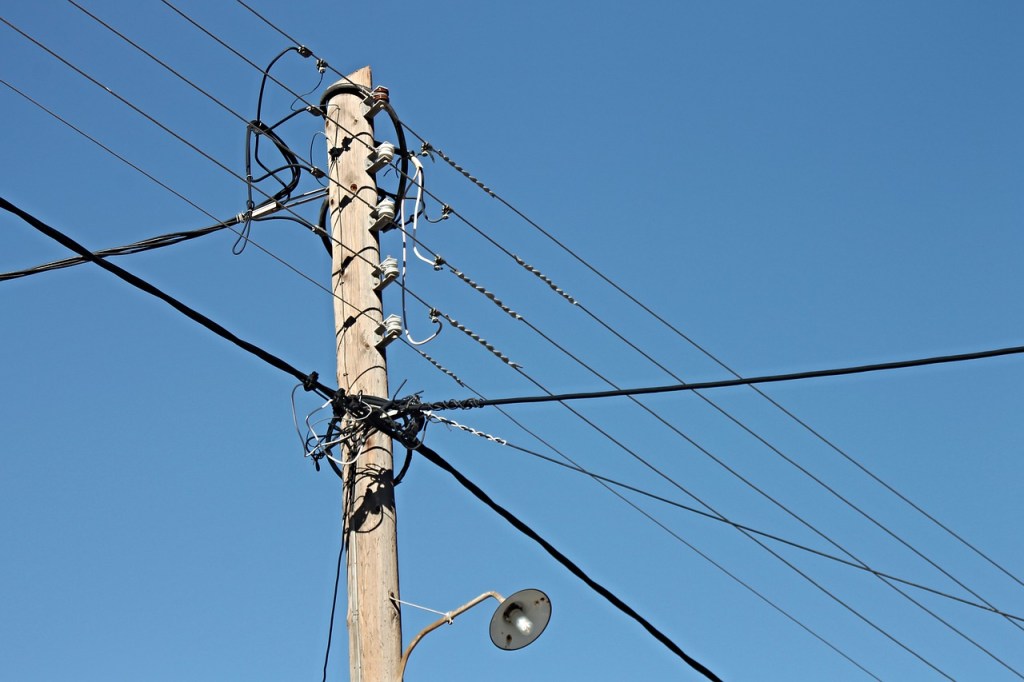
    Earlier this week, Barbadians experienced something that for many of us was a lifetime first – two consecutive days of island-wide electrical blackouts. While this phenomenon has made international news, it should be noted that such occurrences are very rare in Barbados, a country which has long boasted of a high level of human development which belies its small size.  It should also be remembered that similar events have happened in much more resource-endowed countries.

    According to information released by the island’s lone electrical company, the Emera-owned Barbados Light & Power Company (BL&P), the blackout was caused by an unfortunate combination of aging equipment and bad fuel. The blackout also had several spinoff effects. It led to water outages in many parts of the island due to the reliance of the Barbados Water Authority’s pumps on electricity. Moreover, some customers also had issues with their mobile service perhaps due to the heavy reliance on data caused by the unavailability of wifi.

    In the aftermath of ‘powergate’ in Barbados, there will be much discussion about the impact the two-day blackout has had on productivity, private sector profits and the Barbadian economy. What it reiterates, though, is that sustainable public and private infrastructure investment is indispensable for Caribbean competitiveness, trade and growth.

    Sustainable Infrastructure

    From the roads on which we drive, the ports and airports, the telecommunications network on which we depend for our daily communications, sanitation networks and the like, infrastructure comprises the physical building blocks of our countries. Infrastructure, for example, is what helps to connect suppliers with consumers, and exporters with foreign markets. It is needed for our daily work, play and comfort. Spillovers for the economy include increased productivity, economic inclusion, job creation and growth.

    Increasingly, owing to the need to build climate resilience, the conversation is turning towards sustainable infrastructure. CRC Research defines sustainable infrastructure as “the designing, building, and operating of these structural elements in ways that do not diminish the social, economic and ecological processes required to maintain human equity, diversity, and the functionality of natural systems.”

    The need for sustainable infrastructure is mentioned throughout the Sustainable Development Goals which comprise the United Nations’ Agenda 2030. For example, SDG 9 speaks to building resilient infrastructure. A report produced by The Economist magazine also highlighted the critical role of infrastructure in achieving sustainable development.

    Sustainable Infrastructure key to building competitiveness

    It is little wonder, therefore, why infrastructure is among the indicators of a country’s competitiveness, as seen with the World Economic Forum (WEF)’s Global Competitiveness Index. Countries, such as Singapore, New Zealand and Denmark, which rank high on that index, as well as on the World Bank’s Doing Business Index, almost always score high for their infrastructure. Jamaica, which currently leads the region in ease of doing business, has, among other things, made substantial investments in improving its infrastructure. The Transjamaica Roadway and the new Single Window for trade are two examples.

    Capital expenditure projects, such as for the upgrading of port facilities, hospitals and road infrastructure, are often costly for cash-strapped governments. As such, many governments turn to multilateral development agencies for loans for infrastructure development. It is also why the China-initiated Belt and Road Initiative (BRI) has become so attractive to many governments, including some in the Caribbean, which have signed Memoranda of Understanding with China on this.

    Private sector has role to play

    However, it is not only Governments which have a role to play in ensuring sustainable infrastructure. Private sector entities are increasingly taking over functions once believed to be the domain of the State, including the provision of utilities. As such, these private entities also have a duty to ensure that they continuously invest in upgrading their infrastructure in order to meet international best practices for efficiency and environmental sustainability. To do otherwise would be detrimental to the customers which rely on them, as well as the economy and society as a whole.

    Alicia Nicholls, B.Sc., M.Sc., LL.B. is an international trade and development consultant. Read more of her commentaries here and follow her on Twitter at Licylaw.

  • Prospects for deepening Caribbean-Africa Trade and Economic ties

    Prospects for deepening Caribbean-Africa Trade and Economic ties

    Caribbean and African countries share an extensive history forged from the scars of the egregious 300-year long Trans-Atlantic slave trade, the abuses of colonialism and the anti-colonial/independence struggle. As such, Africa’s imprint on the Caribbean is not just phenotypical, but its unmistakable genetic markers course through many of the rhythms, music and culinary delights which characterise the Caribbean cultural DNA.  

    Last week, President of Ghana, His Excellency Nana Akufo-Addo, visited five Caribbean countries: Barbados, Guyana, St Vincent and the Grenadines, Trinidad and Tobago, and Jamaica. Aiming to build on the shared historical and cultural ties between his continent and the Caribbean, President Akufo-Addo took the opportunity to sign bilateral cooperation agreements with these countries and to encourage Afro-Caribbean descendants to take part in Ghana’s Year of Return which marks 400 years since the commencement of the Trans-Atlantic slave trade which officially ended in the early nineteenth century.

    President Akufo-Addo’s visit presents an opportune occasion to consider the prospects for deepening Caribbean-African trade and economic ties, particularly in light of the recent entry into force of the African Continental Free Trade Area (AfCFTA) which will transform 52 out of 55 African countries into the world’s largest free trade area.

    Current Caribbean-Africa trade

    The Caribbean Community (CARICOM) comprises 15 Member States and territories in the Caribbean. Africa is one of the few trading partners with which the region enjoys a trade surplus. According to data from ITC Trade Map, CARICOM countries exported US$449 million worth in goods to Africa in 2017, representing 2.6% of CARICOM’s total exports to the world. Whereas, the region imported US$258 million worth of goods from the continent in that same year. Africa’s exports to CARICOM represented a mere 0.06% of its total world exports in 2017.

    On an international relations front, CARICOM countries and many African countries are both members of the Africa, Caribbean, Pacific (ACP) grouping and the Commonwealth of Nations and cooperate in multilateral fora, such as the World Trade Organisation and the United Nations. While CARICOM currently does not have a free trade agreement with any African country, some individual CARICOM Member States have bilateral investment treaties (BITs) and double taxation agreements (DTAs) with individual African States, not all of which are in force.

    Tourism between Africa and the Caribbean remains underdeveloped due to the lack of direct air links. Getting to Africa from the Caribbean or vice versa requires going through a major international gateway, usually London or New York City.

    Prospects for deepening Caribbean-Africa trade

    There are several developments which are promising for an expansion of Caribbean-Africa trade.

    1. Caribbean push for export partner diversification

    Caribbean countries have stepped up their attempts to diversify their export partners, particularly through promoting south-south trade. Thus far, among CARICOM Member States, Guyana, Haiti, Jamaica, Trinidad & Tobago and Suriname have a diplomatic mission in at least one African country. Barbados may soon join that list after announcing an intention to establish an embassy in Ghana by the end of 2019.

    Maintaining a diplomatic presence is often a costly exercise for small resource-constrained countries. Establishing a joint diplomatic mission in strategic African capitals, similar to what the Organization of Eastern Caribbean States (OECS) has done in key international capitals, is something CARICOM may wish to consider. Trade and investment liaisons could be attached to the missions to assist in promoting business and investment. Since it is firms which trade and not countries, building linkages between chambers of commerce and investment promotion agencies in the Caribbean and African countries would also be key.

    • Africa is on the rise

    Africa is home to some of the world’s fastest growing economies and according to the United Nations (UN), the world’s youngest population, comprising one fifth of the global youth population (aged 15-24). Despite challenges related to unemployment, Africa’s youth has the potential to unleash positive change and are an asset in a rapidly digitalizing global economy. The perceived lack of opportunities for youth in Africa may be the Caribbean’s gain leading to the export of high skilled services. Ghana, for example, which has a surplus of nurses, has agreed to assist Barbados with its nurses shortage. Indeed, there is already a small but growing ‘recent’ African diaspora in many Caribbean countries making sterling contributions in diverse fields, such as education, medicine, law and the like. There are also prospects for Caribbean-Africa trade and economic cooperation and sharing of expertise, particularly in the areas of education, renewable energy and health. Deepening and expanding links between universities in the Caribbean and those in African countries would allow for student and faculty exchanges.

    •  Increased Caribbean-African awareness

    Caribbean people are becoming better aware of the continent through for example, Nollywood/Gollywood movies, African music, traditional African dance and the Africa Channel broadcast in the US and the Caribbean. The potential exists for collaboration in the creative industries, particularly in film production, dance, the visual arts and music. Caribbean musical genres such as reggae, dancehall and soca are becoming quite popular in some African cities. For instance, renowned Nigerian artiste Timaya and famous Trinibagonian soca artiste Machel Montano have collaborated on several songs.

    In the area of tourism, Caribbean persons of African descent are increasingly interested in travelling to West African countries like Ghana, from which the majority of persons enslaved during the Trans-Atlantic slave trade were derived, in order to trace their ancestral roots and explore the Motherland.

    Barbados recently announced visa waivers for several African countries, including Ghana, which would facilitate greater tourism and investment. The lack of direct air or modern day sea links between the Caribbean and the African continent is a challenge. It is therefore refreshing to hear the current Barbados Prime Minister speak to the possibility of negotiating an air services agreement with Ghana. President Adufo-Addo and Prime Minister Mottley also spoke of Barbados being a gateway for Africa-Caribbean trade. Barbados, because of its location as the most easterly island in the Eastern Caribbean, was one of the first stops in the Trans-Alantic Slave Trade, the island would geographically make a logical hub for any direct Caribbean-Africa air links.

    • AfCFTA – a single African market

    At a time when some major world powers are retreating to protectionism and isolationism, all but three countries on the African continent (except Benin, Eritrea and Nigeria) have formed a continental-wide single market, a step towards a continental customs union.

    The AfCFTA was signed in March 2018 and entered into force on May 30, 2019, thirty days after The Gambia became the 22nd country to sign. It represents the world’s largest free trade agreement with a collective GDP of $2.5 trillion and a population of 1.2 billion people. The AfCFTA will eliminate tariffs on 90% of goods trade within the countries party to it. Once implemented, the AfCFTA is estimated to boost intra-African trade (which currently remains less than 20% of total African trade), promote economies of scale, industrialization, improve the competitiveness of African companies and lead to wider welfare and income gains.  

    While there is still much unfinished work to be done, as well as political, legal and regulatory hurdles to overcome before the ambitious agreement can be rendered operational, some of the potential benefits of the AfCFTA are apparent. Firstly, it aims to transform what is currently a disjointed and fragmented grouping of disparate regional markets and spaces with a maze of regulatory and legal barriers into one single continental market, making for a potentially more appealing and navigable market for investors. A company which establishes in one African State would not have to navigate a perplexing labyrinth of complicated rules of origin, regulations and other non-tariff barriers in order to trade across the continent.

    Secondly, the vast African continent currently has several regional economic groupings based primarily on geographic region and with varying levels of integration. Though these groupings are not replaced by the AfCFTA, the AfCFTA means that CARICOM and other third parties seeking to secure a free trade agreement with Africa could negotiate with one grouping as opposed to several.

    Thirdly, the AfCFTA and the Protocol on the Free Movement of Persons are potentially welcomed news for third parties seeking to establish a business in Africa as it could make sourcing inputs and hiring staff from other parts of the continent easier and much cheaper.  

    Additionally, both Africa and the Caribbean, which each comprise countries separated by language and geography, are in the midst of creating regional integration movements. CARICOM, and in particular the OECS sub-grouping which has evolved into a deeply integrated sub-region, can share its own experience as it seeks to consolidate its own CARICOM Single Market and Economy (CSME). It can also learn from any successes of the AfCFTA.

    In summary, Caribbean-Africa trade is small but there is potential for growth given Caribbean countries’ export partner diversification efforts, Africa’s economic rise and increased Caribbean-African cultural awareness. Additionally, the single African market contemplated by the AfCFTA is an exciting development which makes the prospects all the more alluring for deepened Caribbean-Africa trade based on a shared history, friendship and the potential for mutual benefit.

    Alicia Nicholls, B.Sc., M.Sc., LL.B., is an international trade and development consultant with a keen interest in sustainable development, international law and trade. You can also read more of her commentaries and follow her on Twitter @LicyLaw.

    DISCLAIMER: All views expressed herein are her personal views and do not necessarily reflect the views of any institution or entity with which she may be affiliated from time to time.

  • Caribbean Trade & Development Digest – April 7 – 13, 2019

    Caribbean Trade & Development Digest – April 7 – 13, 2019

    Welcome to the Caribbean Trade & Development Digest for the week of April 7-13, 2019! We are happy to bring you the major trade and development headlines and analysis from across the Caribbean Region and the world from the past week.

    HIGHLIGHTS

    In this week’s highlights, the United States Trade Representative (USTR) released a list of Products for Tariff Countermeasures in Response to Harm Caused by EU Aircraft Subsidies. In response, the EU has indicated it aims to put tariffs on $12 billion of US exports.

    In Brexit news, the EU granted the Theresa May UK Government a six month extension to October 31, 2019. Read more here.

    Trade was a major topic looming over the IMF/World Bank Spring Meetings held this week. The IMF released its April Outlook in which it noted a deceleration in global growth on the back of several factors, including rising trade tensions. Read the Outlook here. Also watch the panel discussion on “How Trade can promote growth for all” here.

    The 12th Annual Update on WTO Dispute Settlement, which provided an overview and discussion on WTO dispute settlement cases and developments in 2018, was held this week. Watch the playback here!

    REGIONAL NEWS

    Trade between GCC, Latin America and the Caribbean hit $16.3b in 2018

    Gulf News: Trade flows between GCC countries and Latin America and the Caribbean (LAC) reached $16.3 billion (Dh59.86 billion) in 2018, while the UAE remained a top trading partner in the Gulf region for LAC countries, according to a new report conducted by Inter-American Development Bank (IDB) in cooperation with the Dubai Chamber of Commerce and Industry. Read more 

    Consumer and Business Confidence Up in Jamaica

    Caribbean360: Consumer and business confidence in the economy have recorded increases for the first quarter of 2019. Read more

    Jamaica deepens ties with China

    Jamaica Observer: The Government yesterday signed a Memorandum of Understanding with the People’s Republic of China on that country’s Belt and Road Initiative (BRI), to deepen cooperation and partnership between the two nations for economic development. Read more

    Guatemala’s Fishing Trade Spells Trouble for Belize

    The Reporter: An investigation into Guatemala’s thriving shark fishing industry reveals serious concerns for our country and fisherfolk. In February 2019, a team of investigative journalists from The Reporter traveled to southern Belize, then to Guatemala to evaluate the number and scope of sharks, fish and other marine species poached from Belizean waters and exported to Guatemala. Their findings were startling and it was discovered that this issue has deep roots. Read more 

    The Dominican Republic opens plant species and variety registration office

    Fresh Plaza: The Ministry of Agriculture opened the Plant Species and Varieties Registration Office (OREVADO), which seeks to guarantee the institutional framework for people who want to develop new varieties of vegetable crops, innovate in the transfer of technology or invest in production, i.e. breeders. Read more 

    Dominican Republic leads Caribbean economies

    Global Finance: The economy of the Dominican Republic is set to surpass its regional neighbors this year, notching the highest growth in the Caribbean region. The DR has been gaining attention for its ability to maintain steady robust economic growth. In 2018, GDP rose by 7%, and the latest report by the country’s central bank says all industries are expanding—and that its free-trade zones in particular are drawing investment. Read more

    Atlantic International Bank maintains innocence in US Federal Trade Commission accusations but faces international ramifications

    LoveFM: Atlantic Bank International is currently unable to process wire transfers, in and out, for its overseas customers who are in need of Belize currency. The stoppage in this service is the direct result of the Bank of New York issuing a ban against Atlantic Bank International after the US Federal Trade Commission has roped in Atlantic Bank International as an ally in the Sanctuary Bay multi-million-dollar scheme that saw several US investors lose money in a project that never came to fruition. Read more

    CDB Grant Stirs Up Fuss About Regional White Sugar

    Jamaica Gleaner: The April 2 announcement of a more than US$97,000 gift from the Caribbean Development Bank, CDB, to Caricom for a study on plantation white sugar has Jamaican manufacturing representatives lining up on different sides of the hot-button issue. Read more 

    Govt to build nation’s quality standards system – Sutherland

    Barbados Today: “Government considers this goal as urgent, and of very
    high priority, in our efforts to enhance the national competitiveness of our local micro-small and medium size (MSMEs) businesses, industries and the promotion of fair trade,” he said. Read more 

    CARICOM vital to regional development: Grenada’s new envoy

    Caribbean News Service: CARICOM has been an indispensable force, says new envoy. Read more 

    Call for Caribbean to speak out

    Barbados Today: The Minister for tourism has issued a call for the Caribbean to take a defiant stand against the international community’s imposition of standards on small states – even as his own Government was racing to comply with new financial reporting rules set by a global watchdog. Read more

    US report names several Caribbean nations as “major money laundering” centres

    Caribbean News Now: In the latest US International Narcotics Control Strategy Report (INCSR), volume two dedicated to money laundering, the report lists all major Caribbean and Central American countries as “Major Money Laundering Jurisdictions” for the year 2018: Antigua and Barbuda, Aruba, The Bahamas, Barbados, Belize, British Virgin Islands, Cayman Islands, Colombia, Costa Rica, Cuba, Curacao, Dominica, Dominican Republic, El Salvador, Guatemala, Guyana, Haiti, Honduras, Jamaica, Mexico, Nicaragua, Panama, St Kitts and Nevis, Saint Lucia, St Vincent and the Grenadines, St Maarten, Suriname, Trinidad and Tobago and Venezuela. Read more 

    INTERNATIONAL NEWS

    Argentine Elections Could Narrow Brazil’s Mercosur Reform Path

    Stratfor: Brazilian President Jair Bolsonaro’s push to reform the trade policy of the Common Market of the South (Mercosur) risks collapsing without the support of Argentina. Read more

    Ambassadors pave the way for EU-US trade talks, despite French opposition

    Euractiv: Europe is set to start trade talks with the US after ambassadors gave their green light on Thursday (11 April) to a proposed mandate for the European Commission to conduct the negotiations on behalf of the 28 EU member countries. Read more

    EU27 is now free to hold summits without the UK

    Euractiv: The EU27 will be free to hold official Council meetings and make decisions without the UK despite the country still being a member of the Union, in a move seen as a success for France’s President Macron, who led calls for the restrictions. Read more

    Tokyo and Washington finally set to kick off trade talks as American farmers fume over poor Japan access

    Japan Times: This week, negotiators from Japan and the United States will meet in Washington to address something that U.S. President Donald Trump considers to be long overdue: trade negotiations to open the Japanese market to more American goods. Read more

    China-US trade deal could threaten Beijing’s other trading partners, IMF says

    South China Morning Post: Any trade deal between China and the United States must comply with multilateral rules, as not doing so may create economic risks for the Asian nation’s other major trading partners, the International Monetary Fund said. Read more 

    South Korea WTO appeal succeeds in Japanese Fukushima food dispute

    Reuters: South Korea won the bulk of its appeal on Thursday in a dispute at the World Trade Organization over import bans and testing requirements it had imposed on Japanese seafood in the wake of the 2011 Fukushima nuclear disaster. Read more 

    China has good reasons to join Pacific Trade pact, but obstacles remain

    The Strait Times: If China joined a massive Pacific trade deal, it could create hundreds of billions of dollars in extra income and spur domestic reforms, say analysts, but signing up would be far easier said than done. Read more 

    China, US could win big on no-deal Brexit: UN

    France24: If Britain leaves the EU without a deal, the bloc and Britain’s smaller trading partners stand to lose big, but Beijing and Washington could reap huge benefits, the UN said Tuesday. In a fresh report, the UN Conference on Trade and Development (UNCTAD) examined what repercussions it would have for Britain’s trading partners if the country crashes out of the European Union without a deal. Read more 

    Commission releases detailed information on requirements for EU goods exported to the UK in case of a hard Brexit

    EU: The European Commission has included in its Market Access Database detailed information on the rules that the UK would apply on its imports from the EU in the event of a hard Brexit. It is based on information made publicly available by the United Kingdom authorities. Read more

    EU foreign investment screening regulation enters into force

    EU: The new EU framework for the screening of foreign direct investments has officially entered into force on 10 April 2019. The new framework is based on proposal tabled by the European Commission in September 2017 and will be instrumental in safeguarding Europe’s security and public order in relation to foreign direct investments into the Union. Read more

    India reduces trade deficit with China by $10 billion in FY19

    CNbcTV: India’s trade deficit with China fell by $10 billion to $53 billion in FY19 on the back of lower imports, officials told CNBC-TV18. The downtick in the merchandise trade gap was also aided by new market opportunities arising out of the US-China trade war in the neighbouring nation. Read more 

    India’s trade ministry says no legal basis to ban e-cigarette imports

    Economic Times: India’s trade ministry says it cannot impose a ban on electronic cigarette imports as there is no legal basis for doing so, an internal government memo viewed by Reuters shows, in a boost for those looking to tap into the country’s growing vaping market. Read more 

    Africa’s new free trade area faces bumpy road to full implementation

    Global Trade Review: The Gambia has become the 22nd nation to ratify the African Continental Free Trade Area (AfCFTA), the number required for the agreement to take effect. While this marks a significant step towards the continent’s ambition to create a single market, the free trade area will face a bumpy road to full implementation. Read more 

    Why no-deal Brexit could be a win for South Africa

    Business Tech: A no-deal Brexit could damage smaller economies trading with the United Kingdom (UK) – but bring substantial gains for China and other trading partners such as South Africa. Read more 

    A US-EU trade war would be a political and economic mistake, says French finance minister

    CNBC: With global growth already slowing down, starting a trade war now between the U.S. and the European Union would be both a political and economic mistake, French Finance Minister Bruno Le Maire said Thursday. Read more 

    Brexit: UK and EU agree delay to 31 October

    BBC: European Union leaders have granted the UK a six-month extension to Brexit, after late-night talks in Brussels. The new deadline – 31 October – averts the prospect of the UK having to leave the EU without a deal on Friday, as MPs are still deadlocked over a deal. Read more

    EU Commission split on fertiliser anti-dumping duties

    Independent: A serious spat involving two arms of the EU Commission has erupted over attempts by the fertiliser industry to have anti-dumping duties imposed on liquid urea ammonium nitrate (UAN). Read more 

    EU-U.S. Trade War Escalates Over Disputed Aviation Subsidies

    Bloomberg: The European Union is preparing retaliatory tariffs against the U.S. over subsidies to Boeing Co., significantly escalating transatlantic trade tensions hours after Washington vowed to hit the EU with duties over its support for Airbus SE. Read more

    Report to Congress on China’s Engagement with Latin America and the Caribbean

    The following is the April 11, 2019 Congressional Research Service Insight report, China’s Engagement with Latin America and the Caribbean. Read more 

    EU aid increases, bucking global trend

    Euractiv: Development aid spending by EU members saw a slight increase to $87 billion in 2018 (€77 billion) compared to 2017, according to new data published by the Organisation for Economic Co-operation and Development (OECD). Read more 

    WTO NEWS

    VACANCY: Young Professionals Programme – Apply by April 15, 2019

    The WTO Young Professionals Programme was launched in 2016 as an opportunity for qualified young professionals from developing and least-developed countries that are members of the WTO to enhance their knowledge regarding WTO and international trade issues. Read more 

    WTO’s Trade Policy Review Mechanism turns 30

    The WTO marked on 12 April the 30th anniversary of the Trade Policy Review Mechanism (TPRM), which over the last three decades has contributed to ensuring and facilitating the smooth functioning of the multilateral trading system by enhancing the transparency of WTO members’ trade policies. Read more 

    Registration opens for screening of second compliance panel meeting in “EC — Large Civil Aircraft”

    At the request of the parties in the dispute “European Communities and Certain Member States — Measures Affecting Trade in Large Civil Aircraft: Recourse to Article 21.5 of the DSU by the European Union and Certain Member States” (DS316), the panel has decided to invite officials of WTO Members and Observers, and the general public, to view a recording of its substantive meeting with the parties and consenting third parties. The public viewing will take place at the WTO headquarters in Geneva on 13 May 2019. Read more 

    DG Azevêdo: rules-based trading system is “irreplaceable” but must be ready to evolve

    At a speech delivered to the Peterson Institute in Washington DC on 11 April, Director-General Roberto Azevêdo underlined the critical importance of the WTO to the stability and predictability of the global trading system. At the same time “it is clear that the WTO has to be better, faster and more responsive” to the challenges facing the organization and the system as a whole. Read more 

    WTO hosts closing ceremony of Model WTO 2019

    Over 70 students from around the world came to the WTO’s headquarters on 11 April for the conclusion of Model WTO 2019, a week-long simulation of WTO negotiations organized by a group of students from the University of St. Gallen with the support of the WTO. Read more

    WTO establishes panel to review Turkish duties on Thai air conditioners

    At a meeting of the Dispute Settlement Body (DSB) on 11 April, WTO members agreed to Thailand’s request for the establishment of a dispute panel to rule on duties levied by Turkey on imported Thai air conditioners. Members also considered Russia’s request for a panel regarding European Union anti-dumping duties on Russian steel products and formally adopted the compliance panel and Appellate reports in the EU’s complaint against US subsidies for Boeing. Read more

    Appellate Body issues report regarding Korean restrictions on Japanese food imports

    On 11 April the Appellate Body issued its report in the case brought by Japan in “Korea — Import Bans, and Testing and Certification Requirements for Radionuclides” (DS495). Read more

    WTO, IMF and World Bank leaders stress vital role of trade in reducing poverty

    Director-General Roberto Azevêdo joined with IMF Managing Director Christine Lagarde and World Bank CEO Kristalina Georgieva on 10 April to argue for renewed efforts to leverage trade as a force to reduce poverty. DG Azevêdo argued that the current trade tensions could undermine recent progress in tackling poverty. “We cannot afford to go down this path,” he said. The three leaders were speaking at a joint WTO-IMF-World Bank event in Washington DC titled “Beyond Uncertainty: Leveraging Trade to Reduce Poverty”, held alongside the World Bank-IMF Spring meetings. Read more 

    EU initiates WTO dispute complaint against Turkish measures affecting pharmaceuticals

    The European Union has requested dispute consultations with Turkey regarding various requirements imposed by Turkey on the production, import and approval for reimbursement, pricing and licensing of pharmaceutical products. The request was circulated to WTO members on 10 April. Read more 

    Trade Policy Review: Samoa

    The first review of the trade policies and practices of Samoa takes place on 10 and 12 April 2019. The basis for the review is a report by the WTO Secretariat and a report by the Government of Samoa. Read more 

    CTLD BLOG NEWS

    Read my latest article with Dr. Jan Yves Remy, Deputy Director of the University of the West Indies’ Shridath Ramphal Centre for International Trade Law, Policy & Services exploring the issue of special and differential treatment in the World Trade Organization from a Caribbean perspective Special and Differential Treatment at the WTO: A Caribbean Perspective.

    The Caribbean Trade & Development Digest is a weekly trade news digest published by the Caribbean Trade Law & Development Blog. Liked this issue? To read past issues, please visit here. To receive these mailings directly to your inbox, please follow our blog.