Tag: Donald Trump

  • What Trump 2.0 Could Mean for the Caribbean Region

    What Trump 2.0 Could Mean for the Caribbean Region

    Rahym R. Augustin-Joseph (Mr.) (Guest Contributor)

    Rahym R. Augustin-Joseph

    On November 5th the Caribbean watched with bated breath, the outcome of the US Elections, knowing that the results of the global superpower, would have significant and decisive implications for the future of the Caribbean, because of America’s tremendous influence and leadership in global multilateralism. Of course, the common refrain is that ‘if America coughs, the Caribbean catches the cold.’

    Notwithstanding, both the candidates lacking any particular and comprehensive plans for our region particularly in the trafficking of illegal firearms which is causing havoc in our streets, the Caribbean watched with a keen eye.

    But, as it was clear that Donald Trump had won the US Presidency, for the second time, Caribbean leaders such as Prime Minister Mia Mottley, Andrew Holness, Philip J. Pierre, Philip Davis and others, posted their congratulations, in signs of diplomacy, most noting that their countries remain committed to strengthening the close and enduring friendship and partnership with the US. The diplomatic niceties however could not obfuscate the questions they have, and the Caribbean people have about what it would mean for us and the stability or instability of the global international order.

    As such, what will Trump 2.0 mean for the Caribbean?

    Climate Change

    While we don’t know for certain what policies the Trump administration will pursue internally on climate change in light of increased climate-related disasters across the US, and the fact that the Inflation Reduction Act has continued to pour over $390 billion into EVs, and other climate resilient technologies, which have created millions of jobs and other benefits to Republican affiliated states. These may all disappear if he repeals sections of the Act. However, If this has impacts during the midterm elections, he may not be as keen to repeal.

    But his global actions will have disastrous impacts for the Caribbean, particularly since he has promised to withdraw the US again from the Paris Agreement, and possibly to withdraw from the United Nations Framework Convention on Climate Change (UNFCCC), which is the multilateral framework for the reduction of carbon dioxide (CO2) in the world, and which also provides financial and technical assistance for developing countries like the Caribbean to mitigate climate change through a shift to renewable energy, and to adapt to its impacts and respond to the loss and damage it creates.

    When these are coupled with his denial of the existence of climate change as a ‘hoax’, and his intention to ‘drill baby bill’ and ‘frack, frack, frack’, like never before,  increasing the fossil fuel stock of the US, which some have suggested would not only roll back the gains by President Joe Biden, but contribute an estimated 4 billion tons of additional CO2 emissions by 2030 and 25 billion tons by 2050, then these increases would significantly increase the vulnerability of the Caribbean to extreme weather events, more ferocious hurricanes, devastating droughts and floods, and deadly heatwaves, which can continue to plummet our GDPs, increase poverty, destroy infrastructure and roll back any gains made in our climate recovery processes.

    As we know, our Caribbean countries are low-lying and heavily exposed to rising sea levels, which erodes coastlines, and displaces populations and industries. Any withdrawal from the Paris Agreement, which is meant to reduce greenhouse gases (GHGs), will increase the emissions of these gases, thereby exacerbating the climate crisis and affecting our ability to protect lives and livelihoods. Of course, it is a no brainer that with warmer ocean temperatures that increase the intensity and ferocity of our hurricanes, the US exit will increase the levels of financial and technical support needed to bolster the climate recovery effort. Such an exit is even more egregious when you add the fact that the US, together with the other developed countries, are the ones that have created this existential climate crisis. The Caribbean may unfortunately be in for some hotter months, longer droughts and more devastating floods.

    What is needed now is not an increase in GHGs, which fuels the extreme weather patterns, which Trump promises, but a radical decarbonization of the US and other global economies. Caribbean leaders should therefore be prepared to dialogue with the President on these critical issues, but also to engage other European counterparts to step up and not bend over backwards to try and mould the climate regime around the vagaries of the US political currents.

    These countries, together with China, must now play leading roles in reducing the climate crisis. This is not to suggest however that when the US exits, the climate movement is ‘trumped’, but it is only morally appropriate that due to their overwhelming historical and current contributions to global GHGs, that the US contribute towards reducing the effects on developing countries. Additionally, they must meet their financial obligation, not just to the USD 100 billion per annum that was promised from 2020 by developed countries, but to a higher New Collective Quantified Goal (NCQG) on Climate Finance, which was one of the UNFCCC’s Twenty-Ninth Conference of the Parties (COP 29) outcomes held in Baku, Azerbaijan. It is one thing to withdraw from the Paris Agreement, like Trump did during his first presidency, but it is another thing entirely to commit to increasing greenhouse gas emissions by expanding oil and gas exploration, given the severe impacts that Caribbean and other SIDS are already experiencing from the climate crisis.

    Immigration

    Trump’s immigration policy, according to him would see the largest domestic deportation operation in human history of millions of illegal immigrants.

    For the Caribbean, and Haiti in particular, this is troubling, because Trump’s inward-looking policies will devastatingly affect all who flee from war, climate crises, strife, political upheavals and the collapse of their states in search for a better life or the American dream, which has sustained the economic prosperity of America. This use of excessive force against already vulnerable and marginalised populations is testament of Trump’s disregard for human dignity and rights.

    Of course, it is easy for us to sit in comfort and say that ‘they should enter legally now or that they should return to their countries.’ That is a privileged position as our countries are not facing the life-threatening issues that Haiti and others do, requiring individuals to flee, as a condition of survival. Who feels it knows it!

    But have we for one moment, considered that it is also a global responsibility to ensure integration of displaced peoples, in tandem with our humanitarian and civil rights requirements, particularly in circumstances where the US has also contributed towards this destabilisation and has an opportunity to cure these wrongs? At least in Haiti’s case for certain. But, Trump may only compound the problem, making the work of the Expert Group more difficult, if he refuses to assist, but also if he increases his Haitian animus. Remember his eating the animals’ comments, and how they were poisoning the blood of America, ignoring the diversity of America.

    What is even more certain is that Trump may not provide support for the improvement of the Haitian state, such that migration is an option, and not a necessity.

    It will also now become almost impossible to gain a legal path to citizenship, as even those who have become citizens by marrying an American citizen or their child is a ‘dreamer’ are at risk of deportation, thereby further decreasing their quality of lives causing migration issues for the Caribbean.

    The implications for the Caribbean are a general sentiment of fear of migration and lack of belonging as they search for a better life, and a concomitant fear by those who voted for ‘closed borders’ of all who are not of the blood of America i.e., also Caribbean peoples. But, more directly, if there are Caribbean peoples who are ‘illegal immigrants’, working and providing remittances to their families back home, one can potentially see a massive reduction in the country’s remittances income, which contribute towards healthcare, education among other areas. The reduction will exacerbate poverty, which has wider economic impacts for the Caribbean economy. Further, there may be deeper fiscal and political strains on other Caribbean countries which would not be able to handle this sudden migration flows.

    Already, there are reports in mainstream media which suggests that certain Caribbean countries such as the Commonwealth of Bahamas, Turks and Caicos and Grenada have all denied the Trump’s transition teams proposals to deport migrants to these third countries, recognising the inability and difficulty to deport them to their home states. These countries have probably already made an analysis of the political, fiscal and ‘security’ constraints of this proposal and determined that their country is unable to handle this influx. But, even without a determination by these Caribbean leaders, there are international human rights considerations which should have been assessed prior to such requests being made. But this request and its attendant failure necessitates a rethinking of this policy position to deal with the immigration issues in a manner which is respectful to international human rights norms and laws, which ensures human dignity and protection.

    One would have to continue to follow these developments to see the extent to which this American off-shoot of the ‘British Rwandan scheme’ which met its demise in the courts and with the election of Sir Keir Stramer would extend to other parts of the world. It would be interesting to see where next will President Elect Trump turn to house the ‘deportees’ and what the American people who have voted for such immigration policies believe of the early indications of this policy failure?

    But, these issues of immigration should never be divorced from the underlying race relations, which as a region whose population is predominantly black should still be of concern to the Caribbean, particularly as President Trump in his last term was apathetic in his condemnation of these incidents which sparked the BLM and is ignorant and tone-deaf to institutionalised racism in the United States.

    The Caribbean region as a whole through their political leaders need to engage the President on the abovementioned.

    Foreign Aid

    In Trump 2.0, particularly with his isolationist ‘America First’ philosophy, there may be less pushback to aid cuts as there were in Trump 1.0, and it could mean that key developmental programmes and agencies within the Caribbean could receive less funding, particularly in areas that are not favourable to the Trump administration. It means that the Caribbean should now utilise the opportunity to continue forging new relationships with new nations, as opposed to confining itself to looking North.

    Trade

    As Trump seeks to reduce the US trade deficit, ensuring manufacturing jobs stay within the US, and ensure a baseline global tariff for imports, it has the potential to affect Caribbean exports to the US, making it more difficult through stricter trade regulations. Should there also be a modification of the Caribbean Basin Initiative (CBI), which provides certain duty-free access to the US market, in favour of US production, it could also reduce the competitive advantage of Caribbean goods in US markets. But, recognising the large trade deficit with the US, the Caribbean poses no real threat to US jobs, and its beneficial nature to US industry might prove helpful to its continuation.

    Global Peace and Solidarity

    In global peace and solidarity, the wide cross section of people in the Caribbean, in addition to Caribbean leaders have echoed their Pro-Palestine support as noted through protests and online commentary, that there should be a two-state solution in which the two peoples can coexist. However, both the Biden-Harris Administration and now President Trump, has declared their unwavering support for Israel and their Prime Minister Netanyahu. They have suggested that Israel has a right to defend itself under International Law, but ignored that, while true, the acts of retaliation must not go beyond proportional self-defence where the actions must be defensive rather than punitive.  In this case, these actions have gone beyond. As such, a Trump presidency would see the continued support of Netanyahu, which is at odds with the position of the Caribbean in the main. The implications therefore is that Caribbean countries must dialogue with the US and other countries, in order to echo an approach of Middle East peace. Of course, one does not have to explain the approach which will be taken to the Caribbean’s friend, Cuba with the continued embargo.

    In the end, Caribbean leaders and people should never see the election of Donald Trump as far removed from impacting the Caribbean region but heed the words of David Rudder, the Trinibagonian Calypsonian, when he said that “they’re trying to pass all laws to spoil our beauty, but in the end we shall prevail. We must take a side or be lost in the rubble, in a divided world that don’t need islands no more. Are we doomed forever to be at somebody’s mercy, little keys can open up mighty doors. Rally!”

    Rahym Augustin-Joseph is the 2025 Commonwealth Caribbean Rhodes Scholar. He is a recent political science graduate from the UWI Cave Hill Campus and an aspiring attorney-at-law. He can be reached via rahymrjoseph9@ gmail.com.
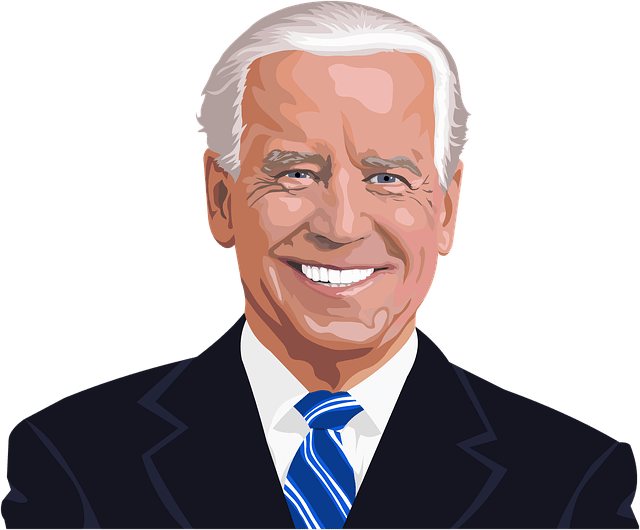
    Image by Barbara from Pixabay

  • Biden/Harris Victory: What might it mean for US-Caribbean Relations?

    Biden/Harris Victory: What might it mean for US-Caribbean Relations?

    Photo credit: Image by heblo from Pixabay

    Alicia Nicholls

    Caribbean leaders have joined with those around the world to warmly congratulate US President-elect, Joe Biden, on winning the US presidential election of November 3, 2020. Of particular pride for the region is that his second-in-command, Senator Kamala Harris, who has both Jamaican and Indian parentage, is not just the first woman Vice President-elect, but first person of colour and first person of Caribbean descent to ascend to such high office in the US.

    As of the time of this article’s writing, incumbent Republican president, Donald Trump, who has now lost the popular vote twice, has not yet conceded defeat and has launched several legal challenges, calling the election ‘fraudulent’.

    Beyond the symbolism of the Biden/Harris win, and assuming a peaceful transfer of power come January 20, 2021 (the date set for Biden’s inauguration), what does the Biden/Harris victory portend for the future of US-Caribbean relations?

    Who are Joe Biden and Kamala Harris?

    Joe Biden, who is 77 and will be 78 when inaugurated, will be the oldest US president to assume office. This was Mr. Biden’s third run for the White House. However, he brings a wealth of experience and skills as a former long-standing Senator for the US state of Delaware where he was a member and eventually chair of the Senate Foreign Relations committee. He was also Vice President under the Obama Administration. This experience will be invaluable for the long slog ahead of him.

    His much younger Vice President, Senator Harris, is an accomplished attorney-at-law, who was the District Attorney of the City and County of San Francisco, the Attorney-General of California and currently serves as a US senator for California. Ms. Harris, who is the daughter of an Indian-born mother and Jamaican-born father, had also been a candidate for president in the Democratic primaries this election cycle.

    The long, hard task ahead

    As noted in his victory speech delivered last night in Wilmington, Delaware, President-elect Biden acknowledged the monumental task ahead of healing a politically divided nation, rescuing an economy on the brink and a country plagued by the COVID-19 pandemic and civil unrest.

    Biden’s consistent message of unity and racial equity should bring some comfort to persons of the Caribbean diaspora negatively impacted by the racially charged rhetoric and divisiveness that marked the past four years of the Trump administration. Biden has also repeatedly promised to repair and rebuild relationships with traditional American allies strained under President Trump, such as with the European Union (EU).

    Biden’s win will occasion a pivotal turning point in the US’ approach to the COVID-19 pandemic which the Trump administration epically mishandled. Trump, notably, suspended US funding to the World Health Organization (WHO) and consistently downplayed the seriousness of the virus, even after he himself and many of his White House staffers became infected. In contrast, one of Biden’s first acts will be to announce a 12-person COVID-19 taskforce evincing a more robust response to the virus which has so far infected over 9.5 million Americans and killed 234,000.

    The frequent saying “when America sneezes, the Caribbean catches a cold”, is not an exaggeration given that the US is the region’s largest trading partner, tourism source market and home to the Caribbean’s largest diaspora. Many Caribbean countries, dependent on US tourist arrivals, have had to classify the US as a ‘high risk’ country because of the Trump administration’s bungling of the pandemic.  A better coordinated federal approach to stem the US’ currently high coronavirus infection and death rate should benefit Caribbean countries whose tourism sectors have been particularly hard hit by the economic fall-out from the virus globally.

    On the issue of trade, it is likely that Biden will be less embracing of free trade than under the Obama/Biden administration. This is because there is growing sentiment in the US, especially in the so-called ‘Rustbelt’ states which were key to Biden’s win, that trade has not been a net positive for American workers. That being said,  a more multilateral approach and some semblance of stability and consistency should appear in US trade policy under the incoming Biden administration.

    Unlike his predecessor, Biden has expressed support for the World Trade Organization (WTO) whose relevance and operations have been undermined over the past four years.  One of the Trump administration’s latest acts has been to delay the selection of Nigeria’s Dr. Ngozi Okonjo-Iweala, the candidate deemed most likely to achieve consensus to be the next WTO Director-General. It remains to be seen whether the Biden administration will support her candidacy.  

    Biden’s victory also means that the Caribbean and the world have regained an ally in the fight against climate change, an ally which is in fact the second largest emitter of carbon dioxide (CO2) emissions. Biden has promised that the US will rejoin the Paris Climate Agreement, which the US negotiated and joined under the Obama/Biden administration and from which his predecessor withdrew just this week. Additionally, he will seek to implement his Plan for Climate Change and Environmental justice which will include measures to limit the US’ greenhouse gas (GHG) emissions.

    Biden has also indicated a more humane approach to immigration than the Trump administration which curtailed legal pathways to immigration, implemented the infamous Muslim ban and the equally inhumane family separation policy resulting in some 545 migrant children separated from their parents at the border still to be reunited with their parents.

    The Trump administration also saw US aid cuts to charities and NGOs world-wide, including in the Caribbean. This included a prohibition on aid to those which include abortion advice in the reproductive health services they provide to women. Biden is pro-choice and it is likely this policy will be reversed.

    The less certain…

    There are, of course, several unknowns. On the issue of Cuba, Biden has criticized Trump’s hard-lined approach. While we can assume Biden might take a more conciliatory approach and loosen restrictions similar to what was done under the Obama/Biden administration, it is unknown to what extent he is willing to go the extra step to finally end the US’ decades-old illegal embargo on that island nation.

    Less certain will be Biden’s approach to US-China relations which had always had its ebbs and flows, but escalated into an outright trade war under the Trump administration until the signing of the Phase 1 Trade Deal. Although not all Caribbean countries recognise the People’s Republic of China, that country’s growing economic presence in the Caribbean has been a source of some tension in US-Caribbean relations.

    Venezuela is another ally of the Caribbean which has had strained relations with the US. While it is unclear what would be Biden’s approach to the humanitarian crisis in Venezuela, he is likely to take a more multilateral and cooperative approach than the unilateral approach currently taken by the current administration.   

    Another unknown is where Biden stands on the issue of offshore international financial centres. The Obama/Biden administration had taken a particular harsh stance against Caribbean IFCs, branding them as ‘tax havens’. As I noted in a previous article, while it is hoped that VP Harris’ Caribbean ancestry might have a modulating influence on the administration’s engagement with the Caribbean, it is important for the region to remember first of all that she is an American first.

    Conclusion

    It should also be cautioned that the extent to which Biden will be successful in his legislative agenda will be dependent on whether the Democrats or Republicans control the Senate which is still undecided. That said, the Biden/Harris  presidency will mean a steadier hand at the US ship of state – a marked departure from the erraticism, unilateralism and volatility of the past four years. Like the rest of the world, the Caribbean could at the very least look forward to a more traditional US foreign policy, a more stable if more inward-looking trade policy, and a return to multilateral cooperation on some of the world’s greatest challenges, such as climate change and the COVID-19 pandemic.

    Alicia Nicholls, B.Sc., M.Sc., LL.B. is a trade and development consultant with a keen interest in sustainable development, international law and trade. All views herein expressed are her personal views and should not be attributed to any institution with which she may from time to time be affiliated. You can read more of her commentaries and follow her on Twitter @LicyLaw.

  • The US 2020 Presidential Elections: What’s at stake for the Caribbean?

    The US 2020 Presidential Elections: What’s at stake for the Caribbean?

    Photo source: Pixabay

    Alicia Nicholls

    On November 3, the American electorate, including Caribbean-Americans, will officially cast its vote for the next President of the United States (US). The choice is between the incumbent far right Republican president and businessman, Donald Trump, and the more centrist Democratic nominee and former Vice President (VP) in the Obama Administration, Joe Biden. Quoting data from the US Elections Project, a Reuters report of October 6, 2020 revealed that some four million Americans have already voted early, reportedly “more than 50 times the 75,000 at this time in 2016”.

    The Caribbean never features as a major foreign policy topic in US presidential campaigns, although the Venezuela crisis and China’s growing influence in the region have caused some disquiet in Washington in recent years. But while the Caribbean has ebbed and flowed in its geopolitical significance to US policymakers, we in the region are frequently glued to our television sets, or in this era, smart devices, whenever US presidential election season comes around. Quite simply, we have a vested interest in who determines US government policy making. This is because our northernly neighbour is not just a super power, the region’s largest trading partner, a provider of development assistance and our most important tourism source market. The US is also the home to the region’s largest diaspora and the main source of remittance flows to the region. Indeed, this time around, Caribbean people have another reason to be invested in this election cycle; Joe Biden’s VP nominee, current US Senator for California, Kamala Harris, is of Jamaican and Indian ancestry.

    Let me state upfront that this article is in no way intended to influence the voter choice of any reader and does not represent an official endorsement of any candidate. Instead, it aims to academically discuss some of the major issues on the ballot in this election which directly or indirectly affect Caribbean countries and the Caribbean diaspora living in the US. It seeks to do so by critically examining the policy positions of the two major party candidates, Trump and Biden, on these issues.

    The candidates’ positions vs Caribbean countries’ interests

    President Trump and former VP Joe Biden generally differ significantly in their stated approaches to issues such as foreign policy, trade, climate policy, immigration, race relations, economic policy and Cuba relations – issues of importance to the Caribbean. Both candidates’ positions can be discerned not just from their campaign promises but their records; Trump as the incumbent and Biden on his experience as President Obama’s VP and as a former long-time US Senator for Delaware.

    Foreign Policy and Trade Policy

    With respect to foreign and trade policy, President Trump has been dogged in his nativist, unilateral, neorealist and neomercantilist ‘America first’ outlook. His record includes escalating trade tensions with China, antagonizing traditional US allies, withdrawing from the Trans-Pacific Partnership (TPP), renegotiation of trade agreements like the North American Free Trade Agreement (now the US-Mexico-Canada Agreement) and the Korea-US FTA (KORUS). He also formally announced the US’ withdrawal from the World Health Organization (WHO) in the middle of a global pandemic, withdrew from the Iran Nuclear Deal, and repeatedly threatened to withdraw from the World Trade Organization (WTO) over its alleged lenient trade treatment of China. The Trump Administration’s blockage of (re)appointments of members (judges) to the WTO’s Appellate Body over longstanding US concerns with that body’s operation has led to the body’s paralysis after it no longer had a quorum needed to hear an appeal. This led some WTO Members to sign on to a temporary solution – the Multi-party Interim Appeal Arrangement (MPIA) to which the US has not committed.  

    It is, therefore, fortuitous for the region that the Trump Administration, which has insisted on reciprocity in its trade dealings with States, opted to successfully apply for another WTO waiver for the Caribbean Basin Initiative – the unilateral preferences scheme allowing duty free access to the US market for most Caribbean goods. The Caribbean Basin Trade Partnership Act (CBTPA), one of the CBI’s constituent Acts, appears on track for renewal after expiring on September 30, 2020. The Administration’s seeming support of this programme may be because the Caribbean has a large trade deficit with the US, posing no real threat to US jobs, and the programme is viewed as beneficial to US industry. Moreover, the Trump Administration has provided some technical and financial assistance to Caribbean governments in the fight against COVID-19, and the significant oil finds in Guyana have influenced deeper US government and private sector engagement with that country.

    Joe Biden, who represents a more traditional outward-looking US foreign policy orientation has extolled multilateralism, vowing that under his presidency the US would, inter alia, rejoin the Paris Agreement to which it had originally committed under his Obama/Biden administration. Biden’s views on trade, however, appear inward looking, appealing to the crucial voting bloc of blue collar workers who feel jilted by globalization. Political exigencies mean that there will likely not be the wide open-armed embrace of free trade under the Biden administration, evidenced by his pledge to prioritise nearshoring of supply chains and expansion of the ‘Buy America’ initiative. Without doubt, however, his trade policies will be more predictable and stable than his opponent’s, providing greater certainty for trading partners. Biden has also been more supportive of the WTO. This aligns with the interest of Caribbean countries which, despite its flaws, are major supporters of retaining the WTO’s two tiered dispute settlement system and of the rules-based multilateral trading system, more broadly.

    Climate Change

    This brings us to another fundamental issue for the Caribbean – the candidates’ views on climate change which presents an existential threat for our Caribbean small island developing States (SIDS). President Trump continues to deny the existence of anthropogenic (man-made) climate change despite, inter alia, a record-setting Atlantic Hurricane Season this year, and has rolled back many of the pro-environment policies enacted by his predecessors. Biden, by contrast, has a dedicated Biden Plan for Climate Change in which he pledges to ensure the US ‘achieves a 100% clean energy economy and reaches net-zero emissions no later than 2050’ and to address the disproportionate impact of climate change on vulnerable communities and investment in clean energy.

    Immigration Policy

    Another ‘big-ticket’ item for the region is the US’ immigration policy. In 2017, some 4.4 million Caribbean immigrants lived in the US, according to the Migrant Policy Institute. Although this point is almost never raised, US-Caribbean migration is not one-way, as there are American immigrants living in Caribbean countries as well. Americans also reportedly comprise the majority of applicants under Barbados’ digital nomad visa programme – the Barbados Welcome Stamp.

    Despite two of his three wives being immigrants themselves and his mother having been an immigrant from Scotland, President Trump has taken a virulent anti-immigrant stance exemplified by the infamous ‘Muslim ban’, the inhumane child separation policy at the US-Mexico border and making legal migration to the US more difficult.

    In contrast, Biden in his Immigration Plan has pledged a ‘fair and humane immigration system’ in which he promises to undo his predecessor’s harmful policies; modernize America’s immigration system; reassert America’s commitment to asylum-seekers and refugees; tackle the root causes of irregular migration and implement effective border screening. The proof, of course, will be in the implementation.

    Race Relations

    Additionally, as a region whose population is predominantly non-white, the deteriorating race relations, the rise in hate groups and institutionalized racism in the US will be of concern to the Caribbean. Widespread protests over longstanding police brutality and racial injustice came to a head this year when a video circulated showed a white police officer kneeling on the neck of an unarmed black man, George Floyd, for several minutes causing his death. This was preceded by the police killing of an innocent black woman, Breonna Taylor, in her apartment pursuant to a no-knock warrant issued for the wrong residence. Police violence is not foreign to the Caribbean community living in the US as Botham Jean, a St. Lucian expat working at international accounting firm PWC in Dallas, Texas was shot and killed in 2018 in his own apartment by an off-duty police officer who claimed to have walked into the wrong apartment and thought he was an intruder. Jean’s killer was found guilty of murder but was sentenced to only ten years’ imprisonment and is currently appealing her sentence. While President Trump has been lukewarm in his condemnation of these incidents and downplayed the existence of institutionalized racism, Joe Biden has released plans for promoting racial justice and other issues affecting the black, native American and other marginalized communities. 

    Economic Policy

    Due to the US’ economic and commercial importance in the region, the health of the US economy has direct implications for the Caribbean. President Trump campaigned on ‘bringing back American jobs’ and his first term economic plan has largely focused on tax cuts and less successfully, aggressive trade policies, raising tariffs and demanding that American multinational national enterprises (MNEs) reshore jobs from China and other countries back to the US. However, President Trump has seen slippage in his once strong public support on his handling of the economy, particularly in light of his questionable handling so far of the COVID-19 outbreak. The US Bureau of Economic Analysis (BEA) reported that the US’ real gross domestic product (GDP) decreased at an annual rate of 31.4 percent in the second quarter of 2020.

    Biden’s economic recovery plan, though not perfect, proposes expanding ‘Buy America’ campaigns, prioritizes support for small businesses, greater research and development, widening access to health care and education, improving America’s infrastructure, promoting clean energy and racial equity. Some of these proposals, which aim to create jobs and stimulate economic activity, will include spending increases adding to the US deficit and tax hikes for the wealthy, and are unlikely to be passed if Republicans control the Congress.  

    Handling of COVID-19

    The US government’s handling of the COVID-19 pandemic will be another area of concern for the region. As at October 9, 2020, the US had recorded some 214,000 COVID-19 fatalities and 7.5 million positive cases. Minority communities, which include some Caribbean diaspora communities, have been among the most affected by the outbreak. Moreover, Caribbean countries dependent on US tourist arrivals have had to play the delicate balance of encouraging US tourism while trying to protect their own citizens from the risk of COVID-19. President Trump has downplayed the virus and frequently derided mask-wearing, even after he and many of his White House staffers contracted the virus. His approach has instead focused on promoting unproven treatments.

    Biden, who has publicly supported mask-wearing, has proposed a seven-point COVID-19 plan focuses, inter alia, on testing and contact tracing, improving access to personal protective equipment (PPE), implementing national masks mandates and equitable distribution of equipment, treatments and vaccines.

    Cuba relations

    Caribbean countries have long criticized the US’ illegal and unjustified economic and trade embargo against that hispanophone nation. CARICOM has a Trade and Economic Cooperation Agreement with Cuba and the détente in US-Cuba relations under the Obama administration made trade between Cuba and the Caribbean logistically and politically easier. President Trump, however, has taken a hardline stance against Cuba, reinstituting many of the restrictions which had been rolled back during his predecessor’s second term in office.

    Biden has called for a ‘new Cuba policy’ and while he has not given specifics, probably in an effort not to alienate Cuba-American voters in Florida, he has criticized President Trump’s policy towards that country as ‘not working’. However, it is unlikely that even if he wanted, Biden would be able to end the embargo without a Democratic-controlled Congress. Three Republican Senators introduced a bill threatening Caribbean countries which accepted medical assistance from Cuba as part of their efforts to fight the COVID-19 outbreak.  

    Other issues

    Of caution, however, is that Caribbean countries should consider the harsh stance President Obama took against Caribbean international financial centers (IFCs), branding them repeatedly as ‘tax havens’. It is unclear whether Biden would continue such an approach. It was also under the Obama Administration that saw the implementation of the extraterritorial Foreign Account Tax Compliance Act (FATCA) entering into effect in 2014 which, simply put, coerced countries to sign agreements in which they committed their financial institutions to report on the assets held by US account holders in an effort to combat tax evasion by US taxpayers.

    President Obama’s initiatives in the region also focused primarily on security issues than economic development issues.  And while he signed the US-Caribbean Strategic Engagement Act of 2016 months into his final term, President Obama’s administration continued the US’ failure to amicably resolve the US-Antigua gambling dispute years after the twin-island State won its case against the US at the WTO. It remains to be seen what will be Biden’s approach to US-Caribbean relations.

    No normal election

    This is by no means a ‘normal’ US election. First, President Trump has constantly undermined confidence in the electoral process through unfounded allegations of ‘rampant’ voter fraud and a ‘rigged election’. Second, this election will be occurring in the middle of a pandemic and it is unlikely that the projected winner will be known on election night as has been traditionally the case. COVID-19 fears might also dampen voter turnout on Election Day. Third, although early voting turnout has been high, there have been reports of voter intimidation,  interference with the US Postal service, attempts to purge voter rolls in certain ‘red States’, all of which can negatively impact voter turn-out, especially among minorities. Fourth, similar to the ‘lock her up’ chants he encouraged during the 2016 campaign, President Trump has again called for his Attorney-General to indict and arrest his opponent, Joe Biden, as well as other prominent democrats. Fifth, President Trump has repeatedly refused to commit to a peaceful transfer of power if he loses the election, and coupled with his claims of voter fraud, may lead to heightened civil unrest. Therefore, while Biden has been leading in national polls for some time, his win cannot be taken as a foregone conclusion.

    In conclusion

    This article sought to show that the outcome of this high-stakes US presidential election will have non-negligible implications for US government policy making on issues consequential for Caribbean countries. While it is herein argued that the policy positions espoused by the democratic nominee appear generally better aligned with Caribbean interests, this is not to suggest, for reasons already stated, that a Biden win will automatically be a net positive for the Caribbean. Assuming a Biden victory and a peaceful transfer of power in January 2021, the extent to which Biden can advance his legislative agenda will be largely determined by whether Democrats retain their majority in the House of Representatives and can also flip the currently Republican-controlled Senate. A hostile Congress can thwart any President’s legislative agenda.  Moreover, while it is hoped that Senator Harris’ Caribbean ancestry will have a positive influence on a Biden Administration’s policy towards the Caribbean, the primary focus of the Administration will understandably be on rescuing the US economy and bringing the COVID-19 outbreak under control. Regional governments will likely still have to lobby the Administration and work with congressional allies on advancing the issues of concern to our countries. That said, a Biden Administration would, hopefully, signal the return to some semblance of stability and predictability to US policy after what could only be described as a chaotic and strange last four years.

    Alicia Nicholls, B.Sc., M.Sc., LL.B. is a trade and development consultant with a keen interest in sustainable development, international law and trade. All views herein expressed are her personal views and should not be attributed to any institution with which she may from time to time be affiliated. You can read more of her commentaries and follow her on Twitter @LicyLaw.

  • WTO Reform High on US President’s Trade Policy Agenda for 2020

    WTO Reform High on US President’s Trade Policy Agenda for 2020

    Alicia Nicholls

    Reform of the World Trade Organization (WTO) remains a high priority on United States (US) President Donald Trump’s ‘America-First’ Trade Agenda. This was confirmed in the recently released 2020 Trade Policy Agenda and 2019 Annual Report of the President of the United States on the Trade Agreements Program by the Office of the United States Trade Representative (USTR).

    Among the priorities listed for the President’s 2020 trade agenda is that the Administration “will push for a WTO that reflects current economic realities and strengthens free-market economies”. Readers would recall, for example, that last year the US stepped up its campaign advocating the introduction of criteria-based eligibility requirements, as opposed to the current and longstanding practice of self-selection as a developing country. In early February of this year, the US revised its list of developing and least-developed countries for purposes of US countervailing duties law.

    In December last year, the WTO’s Appellate Body became defunct following some two years of US blocking of appointments and reappointments to the once seven-member body over allegations of judicial overreach by the WTO’s highest arbiter of trade disputes. Earlier this month, the USTR released a report reiterating some of its criticisms of the Appellate Body’s operation.

    Consistent with the Administration’s stance, this present report has argued that “a number of features at the WTO reflect out-of-date assumptions and do not reflect current realities”.

    So what are the US priorities for WTO reform this year? The report notes that in addition to addressing the Appellate Body, the US will seek a new fisheries agreement, a digital commerce agreement, enforcing notifications obligations, and seeking reform of “special and differential treatment” for “developing” countries. It will also advocate for “other changes at the WTO that will have the WTO working for its Members.”

    The report further states that “the United States will also explore a broader reset at the WTO”. It notes, for example, that “the WTO currently locks-in outdated tariff determinations that no longer reflect deliberate policy choices and economic realities. ” As a result, it argues, “countries that have large economies that have developed significantly over the past two decades continue to maintain very high bound tariff rates, far in excess of the rates applied by the United States or to which the United States is bound”. It will also seek more plurilateral agreements.

    Other trade policy priorities outlined in the 300-plus page document are: pursuing trade agreements that benefit all Americans and enforcing US trade agreements and trade laws vigorously.

    Bearing in mind that this is a presidential election year in the US, it is likely the Trump Administration will use its ‘progress’ on WTO reform and other ‘wins’ like the recently updated NAFTA (renamed to the USMCA) and the Phase One trade deal with China as examples of a trade policy that puts Americans first in its bid to support the President’s re-election. This will definitely be a space to closely watch in coming months.

    The full USTR report may be accessed here.

    Alicia Nicholls, B.Sc., M.Sc., LL.B., is an international trade and development consultant with a keen interest in sustainable development, international law and trade. You can also read more of her commentaries and follow her on Twitter @LicyLaw.

    DISCLAIMER: All views expressed herein are her personal views and do not necessarily reflect the views of any institution or entity with which she may be affiliated from time to time.