Tag: SDGs

  • My Opinio Juris piece: Will FDI help or hinder SDG achievement in the Caribbean?

    My Opinio Juris piece: Will FDI help or hinder SDG achievement in the Caribbean?

    This week I was pleased to contribute a piece to a timely Investment Law Symposium entitled “Is Foreign Direct Investment a Blessing or a Grift?” on the renowned Opinio Juris academic blog. The convenors were Prof. Mohsen Al Attar and Dr. Rafael Quintero Godinez. My piece looked at whether FDI can help or hinder achievement of the sustainable development goals in the Caribbean.

    If this is an area of interest, I encourage you to have a read of the excellent and thought-provoking contributions to this Symposium by renowned academics in the investment law and policy field.

    My piece may be accessed here.

  • SDG Index 2021: How did Caribbean countries perform?

    SDG Index 2021: How did Caribbean countries perform?

    Photo credit: The United Nations

    Alicia Nicholls

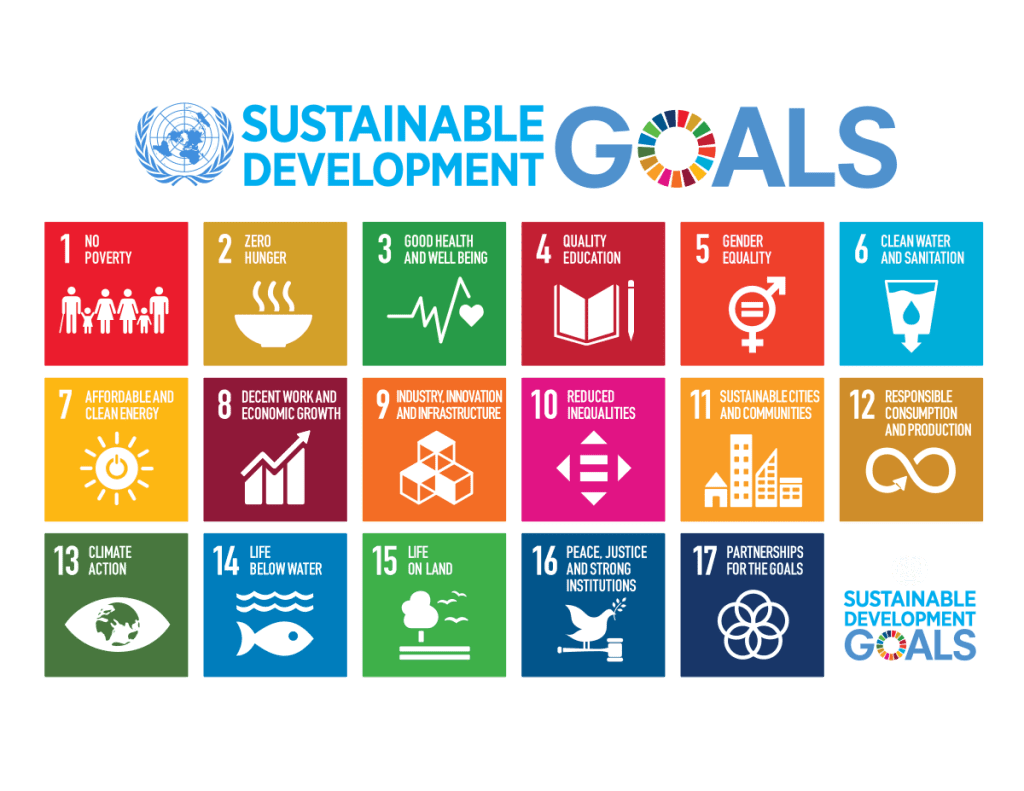
    The novel coronavirus (COVID-19) pandemic has been a significant setback for countries’ achievement of the 17 United Nations Sustainable Development Goals (SDGs) and their 169 targets. This was one of the main takeaways from the virtual launch of the Sustainable Development Report 2021: The Decade of Action for the Sustainable Development Goals on June 14.

    Released annually, the Sustainable Development Report is a key resource for tracking countries’ progress towards achievement of the SDGs which are part of the 2030 Agenda for Development agreed to by UN Member States, including those in the Caribbean, in 2015. The goals are ambitious, balancing all three elements of sustainable development: economic, social and environmental. Countries agree to achieve these goals by 2030 and this decade has been declared the ‘Decade of Action’ for the SDGs.

    A country’s rank on the SDG Index is determined by its overall score. This overall score measures a country’s total progress towards achieving all 17 SDGs, with a score of 100 being a perfect score, that is, complete achievement of all 17 SDGs. The score can be interpreted as a percentage of SDG achievement. The report also contains dashboards showing countries’ trends on the individual goals, subject to data availability.

    Top performers globally

    This year’s report ranked 165 countries. Overall, member states of the Organisation for Economic Cooperation and Development (OECD) are nearer to achieving the targets than any other country group, according to the Report. Finland tops the SDG Index 2021 with an overall score of 85.90, followed by Sweden, Denmark, Germany and Belgium to round out the top 5 performing countries. However, no country in the world has a perfect score nor is on track for achieving all the goals by 2030.

    Bangladesh has registered the most progress towards SDG achievement, followed by Afghanistan and Cote d’Ivoire. Indeed, East  and South Asia was revealed to be the region which has progressed the most on the SDGs. Brazil, Venezuela and Tuvalu were the countries which registered the most marked declines.

    Caribbean countries’ performance

    Many SIDS, including from the Caribbean, are not ranked on the SDG Index due to insufficient data. For those Caribbean countries ranked, Cuba was the highest with a rank of 49 followed by the Dominican Republic (67). Among countries of the Caribbean Community (CARICOM), Jamaica is the highest ranked at 81 out of 165 countries and a score of 69, a modest improvement from its score of 68.7 on the 2020 index.

    Jamaica is followed in rank by Barbados (83), Suriname (91), Belize (104), Trinidad & Tobago (108), Guyana (128) and Haiti (150). Jamaica and Barbados were the only two CARICOM countries to see an improvement in their overall score compared to 2020 levels. Suriname, Belize, Trinidad & Tobago, Guyana and Haiti saw declines in their overall scores towards SDG progress.

    Country profiles are however included even for those countries which are unable to be ranked on the index due to data shortages.

    Some key take-aways from the report

    The authors described 2020 as a ‘major setback for sustainable development’. For the first time since the SDG Index has been published, there has been a global decline in goal achievement driven in great part by an increase in extreme poverty and unemployment largely as a result of the COVID-19 pandemic.

    The report noted that there remains a gap between countries’ SDG commitments and implementation/mainstreaming. This must be addressed if the goals are to be achieved by 2030. The Report called for strong multilateral action to make the ‘Decade for Action’ count.  The authors further pointed to the need for a significant increase in fiscal space, global tax reform and expanded financing by multilateral development banks and debt relief to restore SDG progress in developing countries.

    The Report also contained a 2021 International Spillover Index which demonstrated how rich countries can generate negative socioeconomic and environmental spillovers undermining poorer countries’ ability to mobilise the financial resources needed to achieve the SDGs. Indeed, it highlighted how unsustainable trade and supply chains and tax havens and profit shifting in many rich countries undermine other countries’ ability to mobilize needed financial resources to achieve the SDGs.

    The report was prepared by teams of independent experts at the Sustainable Development Solutions Network (SDSN) and the Bertelsmann Stiftung and was authored by Jeffrey Sachs, Christian Kroll, Guillaume Lafortune, Grayson Fuller and Finn Woelm.

    The full SDG Report 2021 may be accessed here.

    Alicia Nicholls, B.Sc., M.Sc., LL.B. is a trade and development consultant with a keen interest in sustainable development, international law and trade. All views herein expressed are her personal views and should not be attributed to any institution with which she may from time to time be affiliated. You can read more of her commentaries and follow her on Twitter @LicyLaw.

  • CARICOM Heads adopt St. Johns Declaration to address plastic pollution in Caribbean Sea

    CARICOM Heads adopt St. Johns Declaration to address plastic pollution in Caribbean Sea

    Alicia Nicholls

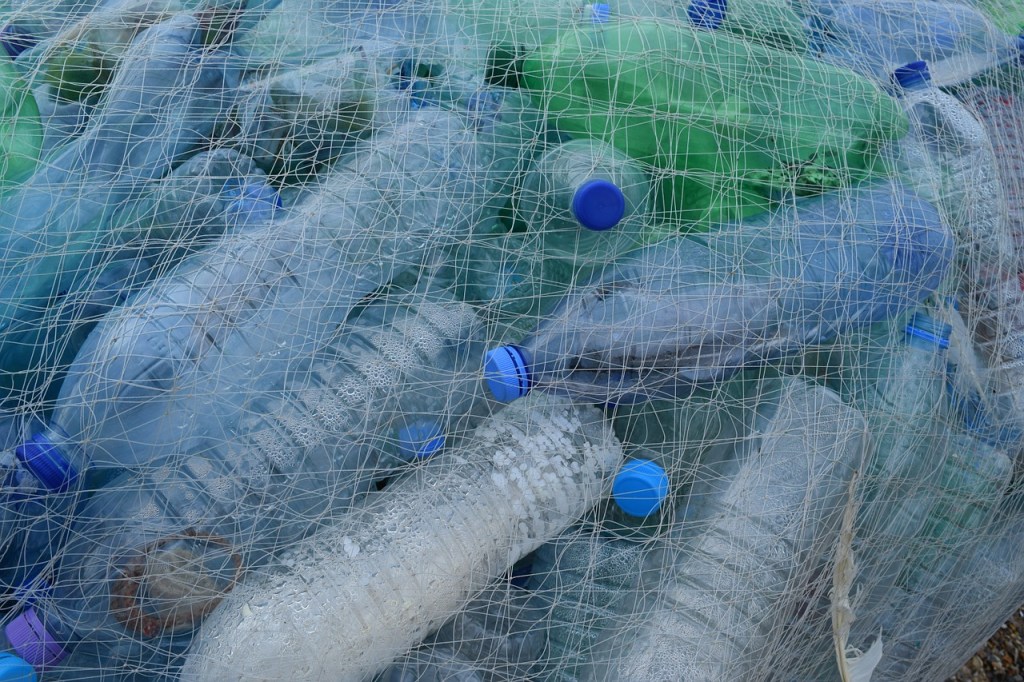
    Caribbean Community (CARICOM) Heads of Government this week adopted a Declaration aimed at addressing the high levels of plastics and microplastics in the Caribbean Sea and their adverse impact on Caribbean sustainable development.

    The St. John’s Declaration was signed and launched by the Government of Antigua and Barbuda at the Play it Out Concert hosted by Antigua and sponsored by Norway. It is part of the United Nations General Assembly (UNGA) President Maria Espinosa’s global call to action for Governments against plastic pollution and single-use plastics launched in December 2018. The Declaration was subsequently adopted by CARICOM Heads of Government during their 40th session held in St. Lucia July 3-5, 2019.

    Why is the St. John’s Declaration important?

    The Caribbean Sea is of tremendous economic, social and ecological value to the countries washed by its shores. A World Bank Study estimates that “in 2017, the insular Caribbean’s gross revenues from marine and coastal tourism alone totaled an estimated US$57 billion”. This same study cites pollution as one of the biggest threats to the Caribbean marine environment.

    Indeed, the World Bank study notes that “marine litter is accumulating in the Caribbean Sea, originating both in the region as well as distant countries overseas through the ocean currents” and that “studies have… found as many as 200,000 pieces of plastic per square kilometer in the northeastern Caribbean”.

    According to the World Bank Report, “up to 80 per cent of the litter found in our oceans is made of plastic”. It further states that “Caribbean data from beach and coastal clean-ups in 2017 indicate that plastic beverage bottles alone amount to 21 percent of the items recorded.”

    These plastics are dangerous because they take many years to degrade, remaining blights on the marine and land-based environment and death traps for marine life. According to Ocean Crusaders, “100,000 marine creatures a year die from plastic entanglement” and approximately 1 million sea birds also die from plastic. This of course has implications for human health and food security.

    Twelve CARICOM Member States have to varying extents passed legislation to implement full or partial bans on the use of single use plastics and styrofoam products. However, the region has fallen short of a region-wide plastics ban. CARICOM’s adoption of the St. Johns Declaration is a good step towards showing our leadership’s commitment towards addressing the serious threat marine litter poses to our sustainable development.

    Key Elements of the Declaration

    The St. Johns Declaration encourages CARICOM Member States that have not yet done so to introduce measures to reduce and/or eliminate the use of single use plastics. It also commits to addressing the damage to our ecosystems caused by plastics by 2030 and to work with the private sector to “find affordable, sustainable and environmentally friendly alternatives”.

    The Declaration recognizes that effective implementation of these actions “requires enabling and coherent policy, legislative and regulatory frameworks, good governance and effective enforcement at the global, regional, national and local levels”. They also “encourage development partners and the private sector to contribute financial and technical assistance, capacity-building initiatives”.

    Marine litter is not just a Caribbean issue, but a global one. Firstly, plastic pollution in the Caribbean Sea comes not just from Caribbean countries, but from other countries, particularly in the North. Secondly, other oceans globally also face a similar threat.

    There has been some global action on the issue of marine litter. Goal 14 of the UN Agenda 2030 and its 17 Sustainable Development Goals is to “conserve and sustainably use the oceans, seas and marine resources for sustainable development’. More specifically, one of its targets is “to reduce significantly all forms of marine pollution by 2025”. There are also several United Nations resolutions, including resolution 4/7 on ‘Marine Litter and Microplastics’.

    Recently, the Association of Southeast Asian Nations (ASEAN) adopted the Bangkok Declaration on Combating Marine Debris in the ASEAN Region in June 2019. The St. Johns Declaration encourages other regional and sub regional groups of countries “to take similar measures to eliminate discharge of plastic litter and microplastics to wells, rivers, seas and oceans”.

    Given the magnitude of the threat of marine litter, and in particular, plastics pollution, global action still falls far short of what it should be. As such, the St. Johns Declaration calls for the urgent need for a global agreement to address plastics and microplastic pollution.

    Our CARICOM leaders’ adoption of the St. John’s Declaration is a good step, but this is just the beginning. It must be translated into concrete action. For instance, getting countries which have not yet done so to implement bans on single use plastics and styrofoam products. This requires not just strong enforcement of the bans, but widespread public service campaigns educating businesses and the general public on the impact plastics have on the marine environment, and consequent implications for human health and food security. As several countries around the world, including some Caribbean countries, have implemented bans, there is scope for learning from these countries’ experiences in order to formulate best practices.

    The full text of the Declaration of St. John’s is attached the Communique of the Conference of Heads of Government 40th Session which may be read here.

    Alicia Nicholls, B.Sc., M.Sc., LL.B., is an international trade and development consultant with a keen interest in sustainable development, international law and trade. You can also read more of her commentaries and follow her on Twitter @LicyLaw.

    DISCLAIMER: All views expressed herein are her personal views and do not necessarily reflect the views of any institution or entity with which she may be affiliated from time to time.

  • Agriculture key for fostering Sustainable Development in Caribbean Countries

    Agriculture key for fostering Sustainable Development in Caribbean Countries

    Alicia Nicholls

    Development in the Caribbean Community (CARICOM) can never be sustainable without building a sustainable agriculture sector. But don’t take my word for it. The need for improving the region’s food security and food sovereignty has been a recurrent theme in regional development discourse for decades. As a young girl growing up in Barbados, I remember the cookbook of traditional Barbadian recipes in our kitchen with the smiling face of its author, the late and legendary Barbadian  Mrs.  Carmeta Fraser, on the cover with the words to the effect of “Eat what we grow , and grow what we eat”. Years later, these words which former Senator Fraser echoed  tirelessly cross the length and breadth of Barbados are still in the realm of aspirations and not reality.

    It is universally accepted that the best way to reduce Caribbean countries’ unsustainably high food import bills is by expanding agricultural production in an environmentally sustainable manner. However, as recognised by Sustainable Development Goal-2 which seeks to end hunger and achieve food security, plus improving nutrition and promoting sustainable agricultural practices, promoting a sustainable agriculture sector can help Caribbean countries address a number of cross-cutting developmental challenges besides food security.

    The State of Caribbean Agriculture

    Since the 1990s Caribbean economies have progressively shifted from mono-crop economies to services-based economies, mainly tourism and financial services. The main exceptions are the commodity-exporting countries of Guyana, Belize and Suriname which have more diversified economies and Trinidad & Tobago whose economy is based primarily on the oil/gas sector. A major reason for this shift was the loss of preferences in traditional export markets, particularly the European Union, and but also the recognition of the need to diversify their export-bases.

    Agriculture is declining in its contribution to the GDP of most Caribbean countries, while the food import bills saddling our countries’ current accounts continue to rise. An FAO report entitled State of Food Insecurity in the CARICOM Caribbean revealed that CARICOM countries’ food import bill was in excess of USD $4.5 billion in 2011. Food imports are used not just for local consumption but also by the tourism sector. CaribbeanStats shows that Guyana, Trinidad & Tobago and Jamaica have relatively low import bills per occupant, while they are high in countries like Barbados, the Bahamas and Montserrat  Coupled with high food import bills is the growing scourge of non-communicable diseases (NCDs). Caribbean countries’ incidence of, and mortality rates from, NCDs such as diabetes and hypertension, are among the highest in the world. This is due not just to increasingly sedentary and high-stress lifestyles but also poor eating habits, which prioritise processed foods over more organic foods.

    Although the agriculture sector is no longer the main foreign exchange earner or employer, family-based small-scale farming remains an important source of employment and earnings in rural communities. Indeed, a 2012 FAO report shows that the majority of farming in the Caribbean is done on smallholdings. Income from farming helps to maintain households, buy needed supplies and educate children.

    Challenges facing Caribbean Agriculture

    Most Caribbean people would agree that promoting local agriculture is beneficial for Caribbean development, by saving much needed foreign exchange and supporting the livelihoods of local farmers. Moreover Caribbean farmers do not use the level of chemicals employed by farmers in more developed countries.  Even with high tariffs on imported agricultural products, the lack of economies of scale and high costs of production often make local produce less price competitive than imported produce. This is coupled with the fact that Caribbean governments lack the financial means to subsidise their farmers to the extent that large developed countries like the United States and European countries do.

    Local farmers therefore could never compete with the subsidised produce from farmers abroad whose inputs are much cheaper. Farmers in Barbados, for example, have complained about the import of some products like onions which are produced in sufficient quantities locally. There is also the perception, in many cases justified, about the dubious quality of imported produce. It is long suspected that produce which have been rejected by developed countries because they do not meet their standards are relegated to third world countries.

    In some rural parishes in Barbados, particularly those which have good soils and receive the highest levels of rainfall, prime agricultural land has been granted permission for change of use to residential use and subdivision.

    Praedial larceny costs farmers thousands of dollars in lost earnings each year. In Barbados, for example, farmers have taken to the newspapers to complain about crop theft or the heinous slaughtering of livestock for the meat. Another major problem for many Barbadian farmers is crop theft and destruction by the native Green Monkey which has been forced to forage outside of its natural environs because of habitat loss. Farmers also typically experience difficulty in accessing financing through traditional methods to replace lost crops or to invest in technologies and other activities.

    One of the impacts of climate change is the  crop loss from natural disasters and extreme weather and crop pests and diseases like Black Sigatoka and Moko which destroy bananas and plantains. For an example of how severe weather could wreck havoc on local agriculture, just remember that in 2004 Hurricane Ivan wiped out Grenada’s entire nutmeg crop. Another facet of climate change is the drought-like conditions which have  plagued Caribbean countries for the past almost two years. The drought has caused reduced crop yields, caused malnourished or lost livestock, and forced some farmers to seek alternative sources of income.

    In addition to these issues, there is also the reality that farming is generally not glamorous or financially attractive for many younger Caribbean people. On the flip side though, I know of a few young people who have chosen to get into farming due to their inability to find employment.

    If one looks at the demand side, Caribbean people, through exposure to cable television, have become wedded to North American products and foods, to the detriment of reducing demand for some locally produced fruits and vegetables. After all, why limit oneself to local fruits like ackees, golden apples, dunks and fat porks, when one can have imported grapes, strawberries and pears? Part of the recourse for improving demand for local produce is extolling the benefits of these local products through research, innovation and incorporating their usage once more into traditional cuisine, in much the way Carmeta Fraser tried to encourage.

    Going forward

    A framework for the development of a sustainable agriculture sector through the sustainable improvement of food production must be aligned with wider national and regional policy goals aimed at promoting food security and poverty reduction, improving public health and fostering economic development. If we are speaking of improving agriculture, then permission for change of use should never be given for prime arable lands where crop yields would be higher than poorer quality lands.

    Crop loss through praedial larceny can be reduced by strengthening praedial larceny laws through harsher penalties. Jamaica established a Praedial Larceny Unit  May 2015 which was reported in February 2016 to have resulted in a 14 percent reduction in praedial larceny over  10 months. This could be a model other Caribbean countries might want to consider.

    There needs to be greater public-sector engagement and support for farmers including training in  business strategies, marketing and packaging, greater use of technology, as well as more sustainable farming practices, such as more efficient land and water use. Would it not be great to be able to have a mobile app where a customer could find out what crops are available for sale at any given time and place an order via his or her phone? I know personally of at least one farm which has used social media to market products. More farmers should make use of the virtual market place.

    Improving farmers’ access to finance would also facilitate investment in more environmentally sustainable farming technologies. Getting younger people involved in farming can be achieved by improving the teaching of agricultural science in schools, while some of the arable lands which are currently idle and over-run could be leased to farmers similar to the Land for the Landless Programme in Barbados.

    Turning to the theft of crops by green monkeys in Barbados, the loss of habitat from the debushing of natural woodlands and gullies for residential use has forced many green monkeys to raid the crops in farming and residential communities, particularly in the more rural parishes. Although there have been calls by some for a monkey cull, I think a better option may be to consider designating certain gullies and woodlands, particularly on Crown Lands, as special monkey protection areas. These would have the benefit of not just protecting the green monkey’s habitat and being natural greenspace (in keeping with our goal of reducing our carbon footprint), but could be low impact eco-tourism attractions where the native green monkey could be observed in its natural habitat.

    Alicia Nicholls, B.Sc., M.Sc., LL.B. is an international trade and development consultant. You can read more of her commentaries here or follow her on Twitter @Licylaw.