Tag: SIDS

  • Boosting island economies’ trade through education

    Boosting island economies’ trade through education

    Alicia D. Nicholls

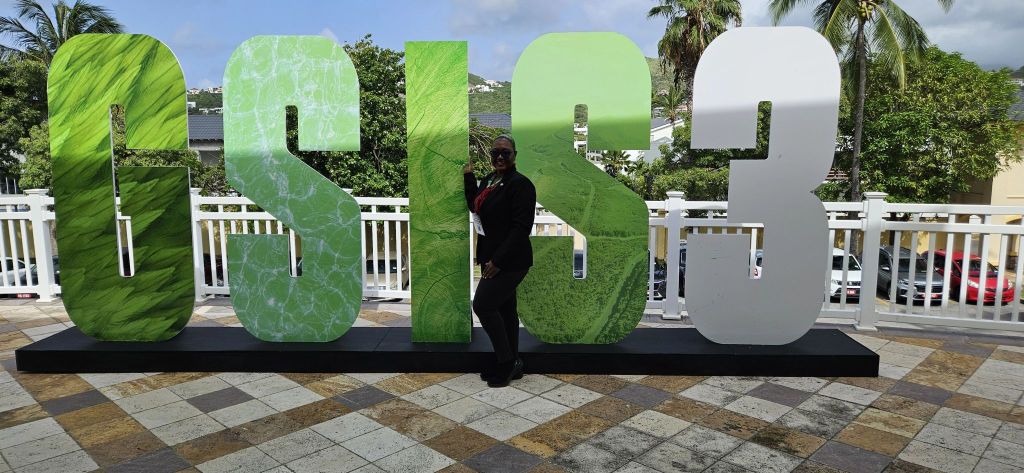
    From May 27-29, 2025, I had the honour of participating in the Main Summit of the Global Sustainable Islands Summit (GSIS) in my capacity as an academic. Organised by Island Innovation, this third edition of the GSIS was co-hosted with the Government of the Federation of St. Kitts & Nevis. The event welcomed over 200 delegates, mainly from island states and territories from across the Caribbean and world, some coming as far away as the Marshall Islands and Tuvalu!

    In this article, I expand on some of the key points I raised as a speaker on the Day 2 panel “Identifying Opportunities to strengthen relationships between global island states”. I focussed on the critical role of education not just as a social good, but an economic asset indispensable for boosting trade both from and between island economies. To this end, I offer at least three interconnected ways in which education can contribute to boosting island economies’ trade: building human resource capacity generally, enhancing trade capacity and serving as a tradeable service.

    Building Human Resource Capacity

    For many small island economies, their most valuable resource is their human resource endowment. Poor in natural resources, countries like Barbados and Mauritius for example have since their political independence in the 1960s invested significantly in providing universal access to education, a key component of the development success these two countries have enjoyed.

    Investments in education not onlyfoment well-being, but also cultivate a well-educated population capable of advancing national development and adapting to global shifts. A well-skilled and educated workforce is vital not just for the local private sector which relies on a robust domestic talent pool, but also as a draw for foreign investors interested in finding the talent they need locally.

    As trade becomes increasingly digitised and technology-driven, the education systems of island economies and territories must evolve to nurture citizens who are not just literate and numerate in the traditional sense, but are technologically literate. An educational system responsive to these trends can drive the high-value growth that Caribbean island economies aim to pursue.

    Enhancing trade capacity

    Education not only contributes to trade competitiveness by building a country’s human resource generally, but also by building its capacity to trade and engage in trade policy making, more specifically.

    The University of the West Indies’ Shridath Ramphal Centre’s Masters in International Trade Policy (MITP) programme, now approaching its 23rd cohort, has played a significant and often understated role in developing a cadre of highly skilled trade professionals across the Caribbean region and even beyond these shores. Many of the MITP alumni sit in the highest echelons of governments (including within the cabinet of Barbados), international organisations, donor agencies, business support organisations and private sector firms. Indeed, on the panel on which I spoke at the GSIS 2025, three of the panelists (myself including) were MITP alumnae, and all women.

    Understanding trade rules and standards and conducting market intelligence are fundamental for Caribbean businesses to convert the market access they have on paper through the trade agreements and other trading arrangements Caribbean countries have into market presence. Expanding education in areas like sustainability standards, logistics and compliance will ensure the region can fully harness the benefits of trade and regional integration as it seeks to consolidate the CARICOM Single Market and Economy (CSME).

    Education as a tradeable service

    Education is itself a tradeable service, and one in which Caribbean island economies already participate across the four modes of supply of service defined by the World Trade Organisation (WTO)’s General Agreement on Trade in Servicess (GATS).

    Under Mode 1 (Cross-border supply), Caribbean educational institutions increasingly offer online courses, some of which are taken by students abroad, effectively exporting education services. Under Mode 2 (consumption abroad), students from across the Caribbean travel between islands for tertiary education, while foreign students also come to attend offshore medical universities. Under Mode 3 (commercial presence), foreign universities, especially medical schools like Ross University and St. Georges University, have established physical campuses, resulting in a commercial presence/foreign direct investment. Under Mode 4 (temporary movement of natural persons), Caribbean professionals deliver lectures or courses physically on other campuses or other countries, thereby providing educational services physically in another country on a temporary basis.

    With certain countries tightening access to their universities for international students, this presents an opportunity for Caribbean universities to strengthen their value proposition not only to serve local students who might have intended to go overseas, but to attract more international students from the Global South and the Global North.

    Despite the allure of Global North universities because of their prestigious names and globally recognised faculty, Caribbean universities like The University of the West Indies, already have several advantages: a history of contributing to Caribbean development and well-recognised faculty in many areas, programmes which are tailored to small states’ and developing realities and promoting solutions grounded in our realities, cognisant of our regional history and development concerns, and a well-established track record of research in many areas like climate change, regional integration, development economics and cultural studies. Let us not forget that we are the region which has produced many thought leaders, including one of the world’s foremost development economists – Sir W. Arthur Lewis!

    In other words, Caribbean students’ options are not limited to Global North universities and we need a paradigm shift in the thinking that only Global North universities provide good quality education. Many universities here in the Caribbean have educated persons who are excelling at the highest levels in their field, including current and former statesmen, while there are many global South countries which offer scholarships yearly to our nationals to study at their universities. By supporting each others’ universities we would also be contributing to boosting south-south trade in educational services!

    Toward Knowledge Economies

    To maximise the role of education in trade, it must be embedded within a broader knowledge economy ecosystem. During the summit, I was particularly intrigued by the research shared by colleagues from ODI Resilient and Sustainable Islands Initiative (RESI) on how SIDS can build robust knowledge economies. Their findings underscore the importance of prioritising innovation and the role of education in this. Building these ecosystems requires stronger linkages between universities, governments and industry, greater investment in research, intellectual property rights protection and support for entrepreneurship and start-ups.

    Ultimately, the role of education is not merely to promote trade per se. It is to ensure that the trade in which we engage is inclusive and sustainable and redounds to the benefit of our societies. Although it was not identified as one of the 7 pillars of St Kitts & Nevis’ Sustainable Island State Agenda (SISA), education will be key to achieving this road map set out by that government in its commendable quest to become the world’s first sustainable island state.

    Final thoughts

    If island economies are to boost their trade and promote a future grounded in sustainable growth, inclusion and transformation, education must be a strategic pillar and not an after thought. I am grateful to Island Innovation and the Government of St. Kitts & Nevis for hosting a very engaging and forward-looking summit and for the opportunity afforded to me to contribute to these conversations.

    Alicia D. Nicholls, B.Sc., M.Sc., LL.B. is an international trade specialist and the founder of the Caribbean Trade Law and Development Blog.
  • GSCF Day 1: SIDS Ministerial Declaration on Transportation Launched and Location of next GSCF Announced!

    GSCF Day 1: SIDS Ministerial Declaration on Transportation Launched and Location of next GSCF Announced!

    Alicia Nicholls

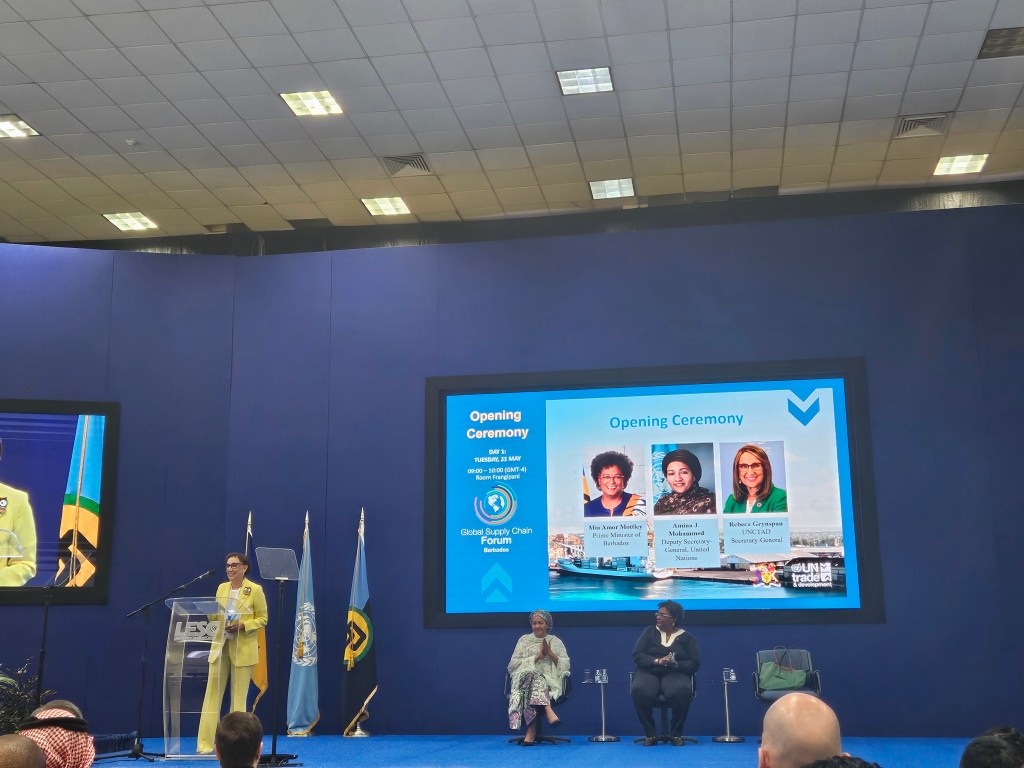
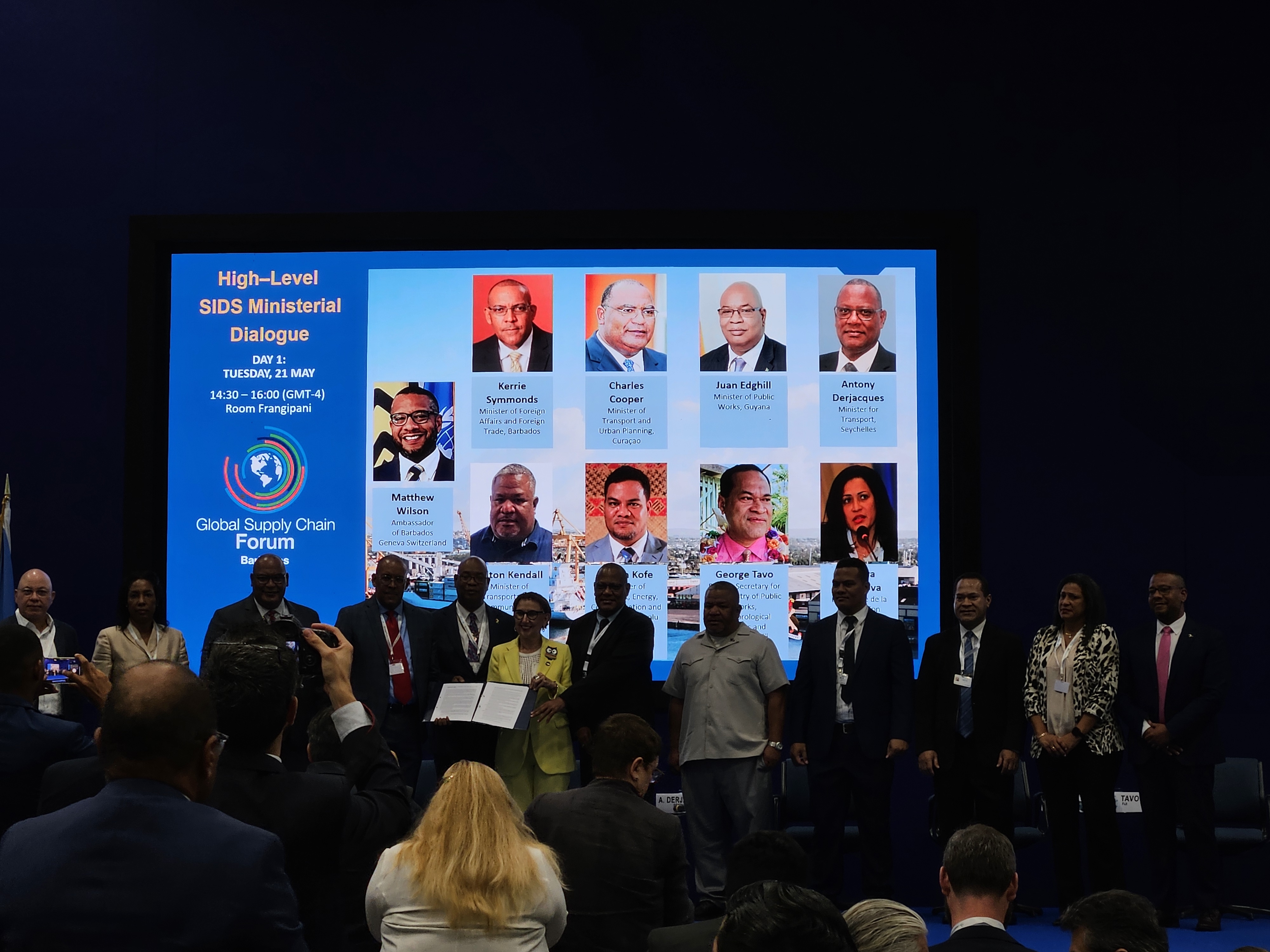
    The inaugural Global Supply Chain Forum (GSCF), jointly organised by UN Trade and Development (UNCTAD) and the Government of Barbados, kicked off yesterday at the Lloyd Erskine Sandiford Centre in Barbados with an opening ceremony and several high-level panels, including a High-Level SIDS Ministerial Dialogue. The forum’s theme is “Transport and Logistics Challenges and Opportunities Relevant to Small Island Developing States (SIDS)”.

    One of the key highlights of Day 1 was the official launch of the Ministerial Statement for Enhancing Transport and Logistics in SIDS. This document is not only a key outcome of the GSCF but a major input into the upcoming 4th UN International conference on Small Island Developing States (SIDS4) taking place in Antigua next week.

    The second major highlight was that Secretary General of UN Trade and Development (UNCTAD) announced that the Kingdom of Saudi Arabia will host the next GSCF.

    Stay tuned for updates from Day 2!

  • Caribbean Hosting Global Supply Chain Forum & SIDS4 Summit

    Caribbean Hosting Global Supply Chain Forum & SIDS4 Summit

    Alicia Nicholls

    While cricket fans are glued to the upcoming International Cricket Council (ICC) Men’s T-20 World Cup, policy nerds like me have our sights set elsewhere. Over these next two weeks, the Caribbean will host two high-level international conferences gathering together delegates from across the world to discuss issues which are germane to Small Island Developing States (SIDS). In this piece, I discuss briefly what these two upcoming conferences and their themes mean for SIDS.

    Global Supply Chain Forum

    This week, May 21-24, the Government of Barbados will co-host with UN Trade & Development (formerly UNCTAD) the historic Global Supply Chain Forum. Its delegates from drawn from all over the world and include Heads of Government and other high-level political officials, experts, academics, practitioners and other stakeholders. Its high-level panels will encompass discussions on transport, logistics and trade facilitation for sustainable development.

    Issues around logistics and supply chains occupy significant importance for SIDS which due to their high dependence on international trade. Their small size, geographic isolation and climate-vulnerability also generate particular logistics and transportation challenges. As such, these panels will discuss, inter alia, practicable solutions for helping these countries better integrate into global supply chains, and to improve the sustainability, efficiency and resilience of their transportation and logistics networks.  

    Among the anticipated outcomes will be the adoption of the Barbados Ministerial Declaration on Sustainable and Resilient Transport and Logistics in SIDS which will be presented at the upcoming Fourth International Conference on Small Island Developing States (SIDS 4) conference.  

    SIDS4 Conference

    From May 27-30, Antigua & Barbuda will host the UN Fourth International Conference on SIDS (SIDS4) under the theme “Charting the Course Toward Resilient Prosperity”. In addition to the conference, there will be a number of side events, including the SIDS Global Business Network Forum 2024 immediately preceding the conference.

    In 1992, SIDS were declared a special case for environment and development at the UN Conference on Environment and Development. Barbados hosted the first Global SIDS conference in 1994. Subsequent SIDS conferences were held in Mauritius (2005) and Samoa (2014). As with each of these decennial conferences, the main outcome document will be a new Programme of Action for SIDS for the next ten years.

    Topics on the agenda include climate change, biodiversity loss, ocean conservation, disaster risk reduction, access to finance, debt sustainability, and the overall sustainable development of SIDS, according to the host government of Antigua & Barbuda. As such, yet again, the Caribbean will play a pivotal role in shaping the SIDS agenda for the next decade.

    Why it matters

    The Caribbean’s role in hosting these conferences brings both practical benefits in terms of tourism arrivals and spend, and international recognition. It places the region at the heart of global discussions and decision-making on issues crucial to SIDS, giving us a hand in crafting our fate. With the UN SDG deadline just six years away and climate challenges intensifying, these discussions are even more urgent now than ever.

    Exciting times await us! We at Caribbean Trade Law & Development will be in attendance at both and look forward to bringing you, our readers, updates from these two important events.

    Alicia Nicholls, B.Sc., M.Sc., LL.B. is an international trade consultant and founder of the Caribbean Trade Law & Development Blog www.caribbeantradelaw.com.

    Image by Pexels from Pixabay

  • Youth: The Untapped Resource We Need to Save the Planet

    Youth: The Untapped Resource We Need to Save the Planet

    Johnny Calliste

    Climate change is one of the most alarming global threats of our time, and its effects are being felt by people of all ages, young and old. For a significant segment of our population, though, climate change has become a particularly pressing issue; for the youth, the future of their planet is in jeopardy, and their outlook on the world is quickly shifting to reflect that.

    Climate change is already having numerous impacts on the lives of youth worldwide. Young people are witnessing and actively experiencing its effects first-hand, whether through extreme weather events like floods, droughts, freak storms, wildfires or increased air and water pollution. These alterations make accessing various activities, from leisure to livelihoods, more challenging. Youth are then met with reduced opportunities for meaningful growth and engagement in a world increasingly shaped by the unpredictability of extreme weather events. Moreover, the emotional distress experienced by youngsters when contemplating the effects of climate change on their future is alarming.

    Over the past few decades, the Caribbean region has experienced a significant shift in weather patterns, resulting in an increased frequency of extreme weather events such as hurricanes, floods, and droughts. This has significantly impacted the region, with effects seen from Jamaica in the north to the South American area. From 2019 to 2022, the Caribbean experienced severe storms that caused immense damage and loss of life. Hurricane Dorian hit the Bahamas in 2019, leaving behind a trail of destruction with at least 70 people dead and over $3 billion in damages. In November 2020, Hurricanes Eta and Iota struck the Northern Caribbean and Central America, leaving over 200 people dead and forcing thousands to flee their homes. In 2021, a series of hurricanes hit the Caribbean island of Dominica. The first hurricane to land was Hurricane Grace in late August, causing significant damage to the island’s infrastructure and leaving thousands without power. A few weeks later, Hurricane Ida unleashed even more devastation on the battered island. Many more countries in the region have faced a similar fate of the rise in freak storms.  Higher temperatures and increased precipitation have also caused the spread and increased presence of invasive species, including the Sargassum seaweed.

    Sargassum seaweed is a brown alga belonging to the Sargasso family. It is commonly found in the pelagic regions of the ocean and is known for forming large floating masses, referred to as the Sargasso Sea. Seaweed is essential in marine ecosystems as it provides shelter and food for sea animals such as turtles, crabs, and fish. Despite its significance, sargassum seaweed growth can become invasive if not properly managed and controlled, as excessive growth can pose risks to human health and disrupt aquatic ecosystems. Sargassum seaweed began attracting international attention when it washed up on Caribbean islands in the summer of 2011. This trend, commonly called the ‘sargassum bloom’, has continued every year since then in varying amounts.

    The seaweed contains chemicals, such as ammonia and hydrogen sulphide, which harm human health. For example, they can cause rashes and other skin irritations in contact with the skin. At the same time, inhaling sargassum-associated air pollutants often leads to respiratory tract irritation, asthma attacks, and other related illnesses. In addition, the seaweed serves as a breeding ground for mosquitoes, which is particularly of concern for those living in coastal regions, as the insects are vectors of severe illnesses such as malaria, Zika and dengue fever. As such, the physical health of youth living in affected areas is often compromised due to the presence of sargassum seaweed.

    Not only do the massive accumulations of seaweed create an unsightly landscape and block access to beaches, but they also considerably harm economies dependent on the tourism industry and the sale of seafood. Excessive persistent sargassum seaweed not only has a direct economic cost due to the expenses incurred in its removal and disposal, but it also has an indirect economic cost in that it drastically reduces local tourism, leading to a decrease in revenue for beach-associated businesses and a subsequent decrease in job opportunities for youth living in the area.

    As the effects of climate change worsen, the implications can be seen in new generations through the increased burden of mental health issues and psychological distress. Youth are particularly vulnerable to the psychological impacts of global warming, especially when the livelihood of their parents, communities, and themselves faces the threat of becoming socioeconomically vulnerable.

    Today, youth are more conscious and aware of their environment than ever and are part of a significant and inspiring movement sweeping the world. Climate change’s economic, environmental, and political implications are becoming increasingly apparent, and young people are responding with innovative, inspiring initiatives. Their critical involvement is essential to tackle the climate crisis, especially considering their broad outreach and ability to spur change quickly. For example, in Grenada, groups such as the Caribbean Youth Environment Network-Grenada (G-YEN) and Leo Clubs of Grenada, Rotaract Club and various School groups have been engaged in activities and public awareness campaigns that have proven practical ways to draw attention to environmental causes and bring about change.

    To further support these efforts, international organisations such as the Global Youth Environment Assembly (GYEA-UN), convened by the UN Environment Programme and Global Youth Climate Action Fund (GYCAF), provide small grants and finance that support the youth’s role in this fight. In addition, they spread awareness, inspire and encourage child to act, and connect youth organisations and activists worldwide. On the international scale, young people use social media platforms such as Tik Tok, Instagram, and Facebook to organise initiatives such as global climate strikes and participate in online petitions and discussions.

    The youth are proving that their innovative solutions can tackle and resolve some of the most complex climate challenges. Despite the daunting task of halting global warming, these young people are bringing the fight to the politicians, corporations, and communities, exhibiting impressive determination and creativity.

    Encouraging youth participation in local initiatives such as community clean-ups, smart agriculture & composting programs, and renewable energy projects helps young people see the impact they can have on the environment. Additionally, donor-funded agencies can further empower youth initiatives by providing more grant funding opportunities and funding pools to support their efforts, especially at the community level. It must be noted that while many funding streams are available to support climate resilience projects, youth are often unable to mobilise these resources since they lack the skills and competence necessary to create winning proposals to secure funding. Therefore, capacity building and training in resource mobilisation strategies can form an integral part of the support given to youth climate advocates and groups.

    Providing funding to support youth-driven innovative climate-smart small businesses and cooperatives is an excellent strategy for allowing creative young entrepreneurs to contribute to promoting climate resilience while earning sustainable income and providing employment opportunities. In the Caribbean, one such business example is the attractive option for sustainable business ventures that the Sargassum seaweed offers. It can be used in various industries, such as agriculture, cosmetics, and animal food production. Sargassum seaweed is rich in vitamins, minerals, and antioxidants, making it ideal for fertilising and processing into fertilisers and animal feed supplements. Businesses supported through a grant or concessionary business loans are bound to enjoy high yields given the low competition in this field of speciality. With its numerous benefits and growing concern surrounding consumer sustainability, start-ups utilising sargassum seaweed have great potential to succeed in the marketplace.

    All in all, the Caribbean must recognise and appreciate what the youth are doing and support their journey in every way possible if we are to have any chance at solving the critical issue of climate change and essentially saving the planet.

    Johnny J. Calliste, MSC, CMC, Dip (M&E) is a Grenadian with a master’s degree in International Business from the Arthur Lok Jack GBS-University of the West Indies, St. Augustine. He also holds post-graduate certifications in Youth Development, Monitoring and Evaluation, Project Risk & Cycle Management, and Human Resource Management.  He is preparing for doctoral studies/research in Developmental Economics and Public Policy Management. Johnny works in the Global Development sector with an international organisation and is a climate change and youth development aficionado. As part of his studies, he will conduct considerable research to understand climate change’s socioeconomic and psychological impact on Small Island Developing States. Please feel free to contact him via LinkedIn.