Tag: St. Lucia

  • CARICOM and the African Union to deepen ties: Why this is a good idea!

    CARICOM and the African Union to deepen ties: Why this is a good idea!

    Alicia Nicholls

    Caribbean-African relations have become an exciting and refreshing trade space to watch in recent months. Over the past few weeks, two African leaders (Their Excellencies President Nana Akufo-Addo of Ghana and President Uhuru Kenyatta of Kenya) paid separate official visits to the Caribbean. Barbados’ Prime Minister, the Hon. Mia Amor Mottley also paid a state visit to Morocco in June 2019.

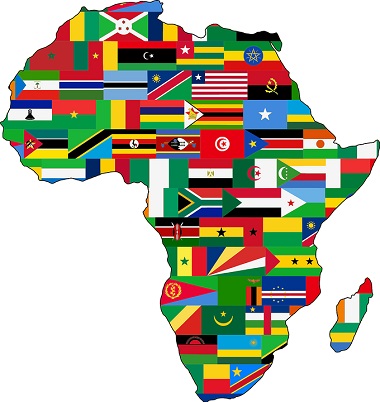
    It was also announced earlier this month that the Caribbean Community (CARICOM) would over the next year seek to deepen and formalise cooperation with its African equivalent – the African Union (AU). This article takes a brief look at why formalization of south-south cooperation and engagement between CARICOM and the African Union is a good idea.

    CARICOM and AU have more similarities than differences

    The formal relationship between the two regions has been mainly through their participation in the Africa, Caribbean, Pacific (ACP) and the Commonwealth of Nations groupings, and not directly bilateral. But change is on the horizon. In 2012, Heads of State and Government of the African Union, the Caribbean and South America concluded the Global African Summit with a declaration which outlined a plan of action for forging political, economic and social cooperation between the AU and ‘all inter-governmental entities in regions in which African Diaspora populations are part of’, which includes CARICOM.

    As I wrote in a previous article a couple of weeks ago, there is much promise for expanding and deepening economic and political relations between Africa and the Caribbean. A boost would be, of course, formal collaboration between CARICOM and the AU.

    CARICOM is an intergovernmental organization of fifteen mostly English-speaking Caribbean States and territories founded on July 4, 1973 by the Treaty of Chaguaramas (revised in 2001). It was preceded by the Caribbean Free Trade Agreement (CARIFTA) which lasted from 1968-1973 and the West Indian Federation (1958-1962). CARICOM has a collective population of approximately 18 million. Its secretariat is based in Georgetown, Guyana. Twelve CARICOM Members are currently full members of the CARICOM Single Market and Economy (CSME).

    The AU is a 55-nation pan-continental, intergovernmental organization which was officially launched in July 2002. The AU has a population of just over 1 billion. Its secretariat is in Addis Ababa, Ethiopia. The AU has launched Agenda 2063, an ambitious plan to transform the continent into a global powerhouse. There are currently eight regional economic communities considered ‘building blocks’ of the AU, and diaspora relations are also integral to the AU.

    Both CARICOM and the AU are intergovernmental organisations which encompass post-colonial States with cultural and linguistic differences, facing a myriad of challenges and varying levels of development. Both are in the process of wide-scale regional integration projects. CARICOM, for instance, is in the process of trying to consolidate its CSME. The African Continental Free Trade Agreement (AfCFTA), which was signed in March 2018 and currently has 54 signatories, seeks to create a seamless pan-African economic space. The AfCFTA came into effect in May 2019 and the process has started for the Agreement’s operationalization.

    There are, of course, differences between the two regions which may impact on the policy and negotiating positions taken in multilateral fora. For example, most CARICOM countries are services-based (mainly tourism and/or financial services) economies, with the exception of Belize, Guyana, Suriname and Trinidad & Tobago where commodities trade is important. In the mostly resource-rich African countries, however, commodities trade is king. Most Caribbean countries are Small Island Developing States (SIDS), while those in the AU include mainly landlocked and coastal continental States. The only six AU SIDS are Comoros, Guinea Bissau, Mauritius, Sao Tome e Principe and Seychelles. Moreover, 33 of the 55-member AU are classified by the United Nations (UN) as Least Developed Countries (LDCs), while Haiti is the only LDC in CARICOM.

    Despite these differences, which should not be overlooked, I believe the prospects for CARICOM/AU collaboration and engagement are very promising. Both regions can learn from each other as they seek to deepen their integration projects. There is also scope for closer Caribbean/Africa multilateral collaboration on issues of mutual interest, such as confronting the growing threat of unilateralism and protectionism; the achievement of the United Nations’ 2030 Agenda and its 17 Sustainable Development Goals (SDGs) and their targets; de-risking by global banks; climate change; reform of the World Trade Organisation (WTO); securing reparations, to name a few. Intra-regional cooperation prospects are also promising in many areas such as agriculture, education, the creative industries, renewable energy, medicine/health, the blue and green economies, sports, information and communications technology (ICTs), for example.

    Moreover, Barbados’ upcoming co-hosting of the UNCTAD 15 Quadrennial in October 2020 provides further prospects for collaboration on important multilateral trade and development issues. It is interesting to note that UNCTAD 14 was held in Nairobi, Kenya so there is the opportunity for Kenya to share with Barbados its experience in the successful hosting of the UNCTAD 14.

    Plans for Deepening CARICOM/AU ties  

    A press release issued by the CARICOM Secretariat noted that CARICOM Secretary General Ambassador Irwin LaRocque and Deputy Chair of the African Union Commission (AUC), His Excellency Kwesi Quartey, discussed the need for continued ACP solidarity in the on-going negotiations for the Post-Cotonou Agreement with the European Union (EU) and agreed to explore collaboration on multilateral areas of concern, such as climate change.

    The CARICOM press release further noted that the two leaders “took the opportunity to consider some of the areas in which their two organisations could work together including the formalisation of an institutional relationship between CARICOM and the AU to promote cooperation and to strengthen the deep bond of friendship between Africa and the Caribbean.”

    Moreover, St. Lucia Times has quoted St. Lucian Prime Minister, the Hon. Allen Chastanet, as stating that there will be a planned CARICOM and the AU Summit and the signature of a Memorandum of Understanding establishing a framework for engagement and cooperation. Prime Minister Chastanet is further quoted by this news agency as stating that “Barbados and Suriname will partner in establishing an Embassy in Ghana, while Barbados and Saint Lucia will partner in establishing an Embassy in Kenya.”

    During President Kenyatta’s visit, Barbados and Kenya have also committed to negotiating a Double Taxation Agreement and Bilateral Investment Treaty with each other, and discussed collaboration in areas such as ICTs, renewable energy, sports, the blue economy, health, education and air services. Kenya has also sought the Caribbean’s support in its bid for a seat on the UN Security Council.

    While this high-level political commitment to greater Caribbean-African engagement is needed and commendable, it is firm to firm, university to university and people to people collaboration which will transform deeper Caribbean-African relations from an aspiration to reality. An important step, therefore, will also be formalizing relations between private sector organisations, business support organizations, investment promotion agencies, universities and tourism boards in the Caribbean and Africa in order to promote Caribbean-Africa trade and investment in both traditional and emerging sectors, research and tourism. On this note, it was welcomed news that there will be commencement of engagement between the private sectors of Barbados and Kenya, as well as deeper university collaboration.

    Alicia Nicholls, B.Sc., M.Sc., LL.B., is an international trade and development consultant with a keen interest in sustainable development, international law and trade. You can also read more of her commentaries and follow her on Twitter @LicyLaw.

    DISCLAIMER: All views expressed herein are her personal views and do not necessarily reflect the views of any institution or entity with which she may be affiliated from time to time.

  • Caribbean Citizenship by Investment Programmes and Climate Resilience

    Caribbean Citizenship by Investment Programmes and Climate Resilience

    Alicia Nicholls

    Citizenship by investment programmes (CIPs) are currently operated by five countries in the Caribbean. These are St. Kitts & Nevis, Dominica, Grenada, Antigua & Barbuda and St. Lucia. Caribbean CIPs face increasing threats stemming from reputational risks, increased regional and international competition and heightened international scrutiny. Despite these challenges, some Caribbean CIP-operating countries are utilising CBI revenues to finance climate change adaptation/mitigation initiatives in order to build climate resilience.

    The Climate Change Challenge

    June 1st of each year marks the official start of the Atlantic Hurricane Season. It is exemplified in the rhyme many Caribbean school children learn: “June – too soon, July – standby, August – you must prepare, September – remember, and October – it’s all over”.

    Rhymes aside, Caribbean countries are no strangers to the human, economic, financial and social devastation inflicted by weather systems around this time of the year. 2017 was an unforgetable year as Hurricanes Maria and Irma caused significant damage to a number of Caribbean islands, most notably Dominica, the island of Barbuda (part of Antigua & Barbuda) and the US territories of Puerto Rico and the US Virgin Islands.

    In a 2016 International Monetary Fund (IMF) study, Acevedo wrote that in the Caribbean, “storms cause on average 1.6 percent of GDP in damages every year, but that figure could be 1.6 to 3.6 times larger due to underreporting of disaster and damages.” One of the many adverse impacts of climate change is more intense weather systems. As such, the level of damage from hurricanes and tropical storms is expected to rise.

    Whereas climate change mitigation focuses primarily on emissions reduction, adaptation recognizes the irreversibility of some climate change impacts and emphasizes resilience building through targeted programmes, initiatives, policies and projects. Caribbean countries’ domestic financing constraints necessitate their disproportionate reliance on international financing and support for their climate change adaptation efforts. High debt overhangs mean they often lack the fiscal space to respond quickly and adequately to climatic shocks. Rebuilding requires significant capital, which can be burdensome for small countries beset by narrow tax bases and limited ability to attract the large inflows of FDI required. In some cases,  high gross national income (GNI) per capita restrict their access to most official development assistance and concessional funding from multilateral agencies.

    Role of CBI Revenues

    In light of these constraints, revenues from CIPs are increasingly attractive sources of inflows for funding development programmes and initiatives. In its Staff Concluding Statement of the 2019 Article IV Mission for Grenada published in May 2019, the IMF noted that “robust FDI flows, including from the citizenship-by-investment (CBI) program, are financing the external deficit while supporting economic growth.” It further noted that these inflows “have helped channel sizable resources to the contingency fund that could be used for mitigating the effects of natural disasters”.

    In September 2017, St Kitts & Nevis introduced a temporary third investment option, the Hurricane Relief Fund, to prepare for future hurricanes, repair property damage and support Caribbean neighbours in need. The minimum contribution is US$150,000. The Fund was controversial because it was criticised as further evidence of a “race to the bottom” among Caribbean CIPs. Nonetheless, it was reported that over 900 persons benefited from the Hurricane Relief Fund. A reported 1200 applications were received under the Fund, but it is unclear how many were successful.

    CBI assisting Dominica’s recovery

    In September 2017, category five Hurricane Maria caused Dominica pervasive human, social and economic damage equivalent to 226% of its GDP (Post Disaster Needs Assessment 2017), resulting in 31 confirmed deaths and 34 missing. According to the Government of Dominica, CBI inflows have been pivotal in financing Dominica’s recovery. In its Article IV Report on Dominica, the International Monetary Fund (IMF) noted that “fiscal performance deteriorated sharply due to the fall in tax revenue after the hurricane, but was partially offset by a surge in grants and buoyant Citizenship-by-Investment (CBI) sales revenues.”

    Following Hurricane Maria, Dominica has sought to become “the world’s first climate-resilient nation”. The island nation has emphasized resilience-focused rebuilding with the help of international donor funding coordinated through its Climate Resilience Executing Agency for Dominica (CREAD). This includes building climate-resilience structures.

    In a recent article, the Dominica Citizenship by Investment Unit (CBIU) noted as follows:

    After Hurricane Maria last year, Dominica’s CBI Programme was responsible for funding housing and hotel developments, as well as tourism and agriculture projects that cumulatively helped the island recover. The collected financial resources also enabled the Dominican authorities to make payments to affected home owners in the region of £26 million, whilst a government scheme to build 5,000 new homes is financed entirely by CBI income, according to Prime Minister Roosevelt Skerrit.

    Moreover, it was announced that the Housing Revolution, which is providing climate resilient low income housing is “completely funded by Dominica’s Citizenship by Investment (CBI) Programme”. 

    Conclusion

    CIPs have significant risks, but can also be tools for promoting sustainable development. The revenue inflows can assist cash-strapped governments in financing climate climate adaptation and mitigation programmes.

    This is not to suggest, however, that CIP revenues are a panacea for financing resilience. Firstly, heavy dependence on these revenues is a real risk which must be guarded against due to the potential volatility of CBI revenue inflows. Fiscal discipline, including prudent management of these inflows, is important to ensure these countries have the fiscal space to respond to any shocks. Fiscal responsibility frameworks such as that adopted by Grenada are important.

    Secondly, due diligence standards of CIPs must be maintained and should not be lowered or compromised just to attract greater inflows.   

    Thirdly, any special climate/disaster relief funds financed by CBI revenues should be situated within a coherent national policy framework for catalyzing and making optimum use of these and other resources for building climate resilience.

    Fourthly, transparency is also important. This also includes timely data on the number of applications received under special funds, timely audits of the funds and reporting of the audits of these special funds. It also requires sensitizing the general public about the use to which the funds are being put.

    Alicia Nicholls, B.Sc., M.Sc., LL.B., is an international trade and development consultant with a keen interest in sustainable development, international law and trade. You can also read more of her commentaries and follow her on Twitter @LicyLaw.

    DISCLAIMER: All views expressed herein are her personal views and do not necessarily reflect the views of any institution or entity with which she may be affiliated from time to time.

  • IMF Staff Recommend St Lucia CIP Revenues be used Primarily to Reduce Debt

    IMF Staff Recommend St Lucia CIP Revenues be used Primarily to Reduce Debt

    Alicia Nicholls

    In the  Concluding Statement of their 2017 Article IV Mission to St. Lucia released February 6, 2017, International Monetary Fund (IMF) Staff recommended that revenues from the island’s Citizenship by Investment Programme (CIP)  be used primarily to reduce the island’s high public debt and that limits  be placed on the amount of CIP revenues used to finance high-priority expenditure. The recommendations were based on a country mission undertaken by IMF Staff during January 16-27, 2017 pursuant to Article IV of the IMF’s Articles of Agreement. The IMF’s Concluding Statement outlines the preliminary findings made by IMF Staff during their mission.

    In their commentary on St. Lucia’s macroeconomic performance, IMF Staff noted that although tourism activity was weak,  unemployment continued to fall. The Staff highlighted the economic reforms programme currently in the process of being rolled out by the Government. The Staff expect positive but moderate short-term growth. However, they cautioned that the island’s high public debt, which currently stands at 82% of GDP, and its “delicate fiscal situation”, require prompt attention. They also made suggestions on how the fiscal package  announced could better achieve its targets.

    St. Lucia’s CIP

    In January 2016, St. Lucia became the fifth Caribbean country to offer a CIP as an alternative tool for attracting foreign direct investment (FDI), joining fellow Caribbean CIP countries: Antigua & Barbuda, Dominica, Grenada and St. Kitts & Nevis. St. Lucia’s CIP offers four investment options: a monetary contribution to the National Economic Fund (NEF), a real estate investment, a Government bond investment or an Enterprise Project Investment, with qualifying investment amounts set for each type of investment. In an effort to add exclusivity to the programme, the number of applications which could be approved by the Board had been capped at 500.

    This was the IMF Staff’s first Article IV country mission to St. Lucia since the CIP’s first full year in operation. In their 2017 Concluding Statement, the IMF staff noted that the island received “relatively few applications in 2016” and that “the [St Lucian] authorities expect that the recent easing in the requirements and lowering of the costs to qualify for this program will encourage an increase in revenues.”

    Changes to St. Lucia’s CIP Regulations – 2017 

    Effective January 1, 2017, an Amendment to the Citizenship by Investment Regulations No. 89 of 2015  introduced several sweeping changes to St. Lucia’s CIP in an effort to boost its competitiveness. This includes, inter alia, a reduction in the qualifying contributions required, making it the most affordable programme in the Caribbean and the removal of the 500-application cap. A summary of the regulatory changes may be found on CIP St. Lucia’s website here.

    However, while the Government’s desire to make its CIP more competitive is understandable, some have legitimately argued that these changes may undermine the programme’s exclusivity and may lead to a “race to the bottom” in terms of competition on price and ease of accessibility among Caribbean CIPs. Indeed, with the number of CIPs in the Caribbean now at five and several other countries around the world also offering CIPs or some form of immigrant investor programme, Caribbean CIPs face stiff competition both inter se and abroad.

    As such, as I have argued before, increased cooperation among Caribbean CIP countries will be needed to ensure that high standards are maintained and that countries do not undercut each other in terms of price and robustness of their programmes. There seems to be some support for the need for greater cooperation, as St. Lucia’s Prime Minister, Allen Chastanet, earlier this year called for a joint OECS approach to CIPs.

    Moreover, while I strongly believe that CIPs can be legitimate tools for development once managed well through raising revenue, encouraging FDI, infrastructural development, job creation and attracting  High Net Worth Individuals (HNWIs), they should be used as an adjunct and not the main propeller for economic growth and development.

    IMF Recommendations

    In the Concluding Statement, the IMF Staff made several recommendations aimed at minimising St. Lucia’s risk of fiscal dependence on its CIP revenues, which can be volatile, and to reduce the impact of the global rise in interest rates. These recommendations included:

    • Using CIP revenues primarily to reduce the high debt.
    • Using a capped amount of CIP revenue for investment projects of primary importance
    • The importance of “transparency, appropriate governance, and careful due diligence” to reduce risks of sudden stops in CIP revenue inflows.

    More detailed information will be known when the full Staff Report is produced and released at a later date.

    The full IMF Staff Concluding Statement may be viewed here.

    Alicia Nicholls, B.Sc., M.Sc., LL.B., is a trade and development consultant with a keen interest in sustainable development, international law and trade. You can also read more of her commentaries and follow her on Twitter @LicyLaw.

  • In defence of Caribbean Citizenship by Investment (CBI) Programmes

    In defence of Caribbean Citizenship by Investment (CBI) Programmes

    Alicia Nicholls

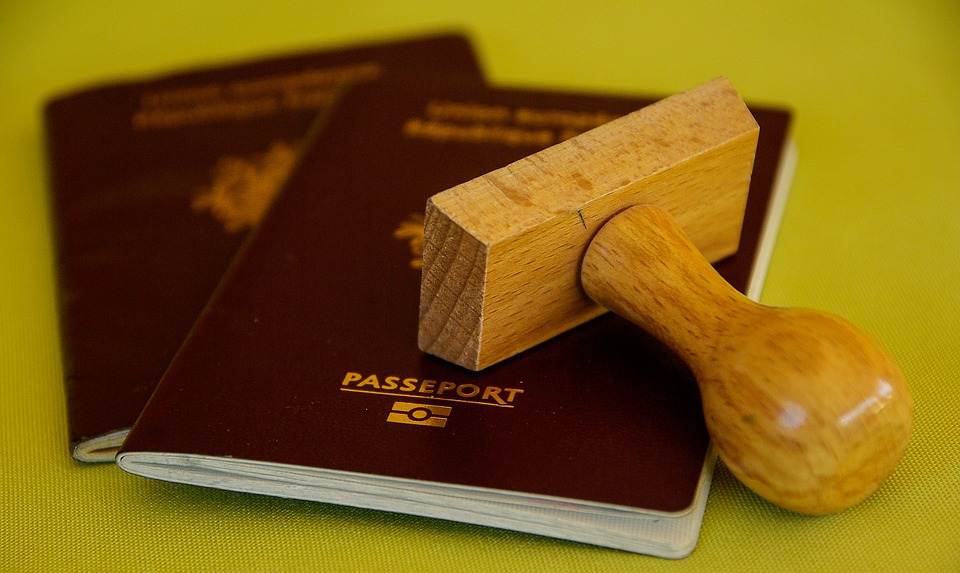
    A  60 Minutes Special aired by American network, CBS, on January 1, 2017 has added fuel to the fiery debate on the legitimacy of Caribbean countries’ economic citizenship programmes. Whether intended or not, the segment entitled “Passports for Sale” cast a shadow of iniquity on the programmes which certain Caribbean countries, and to which an increasing number of countries are turning in order to stimulate their economies and attract much needed foreign investment.

    Last year, St. Lucia joined four other Eastern Caribbean countries: Antigua & Barbuda, Dominica, Grenada and St. Kitts & Nevis by offering a direct citizenship programme. Economic investor programmes fall into two broad types: residency programmes (which only offer investors the right to reside) and citizenship programmes (which confer citizenship, either directly or after a period of residency).

    Caribbean CBI programmes fall into the category of direct economic citizenship programmes which entitle qualifying investors and their qualifying spouse and/or dependents (e.g: children or elderly parents) to citizenship of the host country upon making a qualifying investment under that particular programme. Depending on the programme, a qualifying investment could be a monetary contribution of at least a certain amount to a special fund, the purchase of real estate of a minimum value or the purchase of government bonds in some cases. Investors and their co-applicants must also pass stringent due diligence procedures and pay the prescribed fees.

    The reporting on the Caribbean CBI programmes was reduced to simply the “sale of passports” without taking into account the rationale behind the operation of these programmes. CBI programmes are not only about raising revenue through foreign investment for cash-starved Caribbean countries, but have wider development goals. These include helping to improve infrastructure, creating jobs and  attracting investors who are the “best of the best”, that is, persons with know-how and skills and networks which could redound to the benefit of the host economy. It is for this reason that an increasing number of countries, including Western countries, have either implemented economic investor programmes or are thinking of doing so.

    CBI programmes not limited to small states

    Indeed, missing from the CBS segment was that economic investor programmes are not unique to small countries like those in the Caribbean or the EU small state of Malta whose programme has a one-year residency requirement. Economic investor programmes are offered by a growing number of countries around the world. For example, the United States has its EB-5 Immigrant-Investor Programme where eligible investors may obtain a green card once they “make the necessary investment in a commercial enterprise in the United States; and plan to create or preserve 10 permanent full-time jobs for qualified U.S. workers”. Several European countries offer Golden Visa programmes, while a number of Canadian provinces offer Provincial Entrepreneur Programs whereby qualifying investors can attain permanent residence once a qualifying investment is made.

    As I argued in a recent article I wrote for Henley Partners’ Global Residence and Citizenship Review Q3 2016, once carefully managed, CBI programmes can be tools of development. A prime example is St. Kitts & Nevis, which at one point had been among the world’s most indebted countries, and has seen its economic fortunes turned around.

    Focuses on missteps and not changes

    The 60 Minutes Special focused almost exclusively on the missteps made under some of the CBI programmes, while comparatively little was said of the changes made to the programmes to increase the robustness of the due diligence processes. For instance, St. Kitts & Nevis undertook a revamp of its programme amidst concerns raised by the US and Canada.

    The CBS 60 Minutes Special also harped on the fact that some unsavoury characters had managed to obtain passports through CBI programmes. This is regrettable, no doubt, but “shady”characters have managed to earn residency in western countries which have much greater due diligence capability than do small states. The CBS Special did not mention, for instance, that Caribbean CBI countries maintain a list of restricted nationalities. Nationals from Afghanistan, Iran and Syria are not eligible under St. Kitts & Nevis’ programme, as an illustration.

    Moreover, when oligarchs from Russia and the Middle East set up homes in western countries, no one (and rightfully so) questions their intention. Yet, why is a nefarious light cast on a Russian or Middle Easterner who obtains citizenship via a Caribbean CBI programme? Why the double standard? Or better yet, why are Caribbean countries constantly being held to a higher standard? Or is it because Caribbean CBI programmes, just like our much maligned offshore financial services sectors, are one area in which Caribbean countries can actually go toe to toe with developed countries?

    Growing demand for secondary passports

    One of the biggest falsehoods about CBI programmes is that secondary passports are sought primarily by persons with nefarious intent or as the CBS Special put it “scoundrels, fugitives, tax cheats, and possibly much worse”. This is far from the case. The growing class of High Net Worth Individuals (HNWIs), which includes a growing number of persons from emerging economies, increasingly see second passports as an “insurance policy” against instability or economic uncertainty in their home countries. Moreover, simple things like travelling for business or taking one’s family on vacation can be burdensome if one comes from a country with limited visa-free access to other countries. A good quality passport, therefore, brings mobility benefits.

    However, it is not only HNWIs from emerging economies which have sought secondary passports. Many, particularly those living abroad, are renouncing their American citizenship not because they necessarily want to dodge their tax duty, but because of the onerous and costly reporting requirements and the fact that American citizens may be liable to pay tax on income earned abroad to the Federal Government even if they have been resident in another country for years. Added to this, ever since the passage of the Foreign Account Tax Compliance Act of 2010 which requires foreign financial institutions to report to the US Inland Revenue Service on assets owned by US citizens, Americans have been renouncing their citizenship in record numbers.

    The demand indicators for secondary citizenship are all trending in the right direction, which is yet another reason why countries are turning to economic investor programmes. The election of President-elect Donald Trump in the US led the Canadian Immigration Department’s website to crash on election night as Americans increased online enquiries about moving to Canada, while the UK’s impending withdrawal has spurred demand by UK nationals for second EU passports.

    Additionally, investors who acquire citizenship under Caribbean CBI programmes do not only come from “questionable countries”. The St. Lucia Times reported in December that among the 38 citizenships which were granted in St. Lucia, “there were seven applicants from the Middle East, three from Russia, two from Asia, two from North Africa, two from South Africa, one from North America and one from Europe.”

    Attractiveness of Caribbean passports

    There is also the erroneous belief that Caribbean CBI programmes’ popularity stems from their  purported corruption or because of the perceived negligible due diligence.  Caribbean passports are attractive for a multiplicity of reasons. Holders of Caribbean passports enjoy visa-free access to a growing number of countries, which tick off the mobility box for investors. The high standard of living and political stability in the Caribbean appeals to those investors in search of a lifestyle change.

    CBI Caribbean countries’ citizenship laws  recognise both citizenship by birth (jus soli) and citizenship by descent (jus sanguinis) meaning that investors can pass on their citizenship to their children (born after the investor’s acquisition of citizenship) whether they are born in the host country or not.Moreover, Caribbean countries allow for dual citizenship so they do not have to renounce their current nationality.

    Another factor is that the lack of residency requirement reduces the time it takes to acquire citizenship than through naturalisation. There are other factors such as Caribbean countries’ access to international business hubs through frequent flights to international gateways, their tax-friendly climates and their network of tax treaties and investment treaties with third states.

    Conclusion

    For the above reasons I found the CBS 60 Minutes Special’s “Passports for Sale” segment to be extremely unbalanced. I also question why except for a nominal reference to Malta at the beginning, Caribbean CBI programmes were singled out and why so much attention was devoted to some of the mishaps but little was said of the steps taken to prevent a recurrence. An online petition by One people, One Caribbean has sought to set the record straight and also calls for the retraction of the segment.

    That being said, I do believe that robust and honest debate on the functioning of Caribbean countries’ CBI programmes is an important exercise once it is objective and not skewed. For example, the lack of transparency on the number of citizenship approvals granted under CBI programmes and to whom is a problem I have mentioned before. Although some countries have started to release some of their statistics, more data should be released and in a more timely manner.

    What is needed as well is greater cooperation among Caribbean CBI countries. Some critics of CBI programmes raise the legitimate fears that increased competition both among Caribbean CBI programmes and with extra-Caribbean CBI programmes may lead to a race to the bottom in order to remain competitive. Perhaps what needs to be done is harmonisation of Caribbean countries’ CBI due diligence requirements so that an investor who fails the due diligence requirements of one Caribbean programme cannot gain access to another’s. Another option could be to harmonise CBI countries’ restricted countries’ lists. I am under no illusion that this would be an easy task but it is perhaps worth considering.

    There is some support for greater OECS collaboration on this issue. The Prime Minister of St. Lucia, Allen Chastanet, has called for an OECS approach to CBI programmes through an OECS initiative based at the OECS Secretariat. However, it should be noted that a pan-OECS initiative may be problematic as not all OECS countries are supportive of such programmes. Additionally, CBI programmes must be free of political influence and interference.

    Cooperation with the wider Caribbean Community (CARICOM) is also needed. Non-CBI CARICOM countries have raised concerns about reputational and security implications for their own countries. Under the Revised Treaty of Chaguaramas, the broad definition of “Community National” means that an individual who attains citizenship of a CARICOM country would qualify as a community national and be entitled to those benefits.

    As I argued before, CBI programmes are not a panacea. Continued monitoring and upgrading of the programmes is needed to ensure that they meet their objectives of contributing to national development, while also ensuring the strictest of due diligence standards.

    Alicia Nicholls, B.Sc., M.Sc., LL.B., is a trade and development consultant with a keen interest in sustainable development, international law and trade. You can also read more of her commentaries and follow her on Twitter @LicyLaw.