Tag: sustainable development

  • Barbados’ Debt-for-Climate Resilience Swap: A Blueprint for Sustainable Development

    Barbados’ Debt-for-Climate Resilience Swap: A Blueprint for Sustainable Development

    Ainsley Brown (Guest contributor)

    Barbados has once again positioned itself as a global trailblazer, completing what it calls the world’s first debt-for-climate resilience swap, a groundbreaking financial arrangement that frees up USD$165 million for critical investments in water infrastructure, food security, and environmental protection. This bold move not only addresses urgent climate adaptation needs but also underscores Barbados’ commitment to sustainable development and ESG (Environment, Social, and Governance) principles.

    This initiative is a watershed moment for small island developing states (SIDS) and other climate-vulnerable nations facing the triple crises of high debt, climate change, and biodiversity loss. But what does this deal mean in the broader context of global sustainability, and can it serve as a template for other countries grappling with similar challenges?

    What Is a Debt-for-Climate Resilience Swap?

    In essence, a debt-for-climate resilience swap involves a country negotiating with its creditors to restructure or reduce its sovereign debt in exchange for commitments to invest in climate resilience or biodiversity conservation. In Barbados’ case, the funds will be channeled into:

    • Water infrastructure projects: Including the construction of a new South Coast Water Reclamation and Reuse Facility to more than double water availability by 2050.
    • Environmental protection: Investments in mangrove conservation and water restoration.
    • Agricultural resilience: Enhancing food security amidst rising climate pressures.

    This model allows governments to reallocate resources from debt servicing to vital climate adaptation measures. For creditors, it’s an opportunity to support global public goods like biodiversity conservation while safeguarding their financial interests.

    Why Debt Swaps Matter for SIDS and Climate-Vulnerable Countries

    Barbados’ Prime Minister Mia Mottley aptly describes this transaction as a model for other vulnerable states. Small island nations like Barbados are the “canaries in the coal mine” of climate change, grappling with rising sea levels, more frequent hurricanes, and dwindling freshwater resources.

    Water Scarcity in Barbados

    Barbados is one of the most water-scarce nations in the world. Climate change exacerbates this scarcity, threatening not just daily life but also economic activities like agriculture. The New South Coast Water Facility, financed through the swap, aims to alleviate these challenges by increasing water availability and reducing pollution in the Caribbean.

    The Debt Crisis

    Debt burdens severely limit the ability of developing nations to invest in climate resilience. According to the UN Conference on Trade and Development (UNCTAD), global sovereign debt reached a staggering USD$92 trillion in 2022. More than 50 of the poorest countries are on the brink of default, with some spending more on interest payments than on health or education.

    Barbados’ debt restructuring initiative is part of a broader effort to reduce its debt-to-GDP ratio from 105% to 60% by 2036.

    Global Examples and Lessons Learned

    Barbados is not alone in leveraging debt swaps to address climate challenges:

    • Belize: A 2021 debt-for-nature deal reduced its debt by 12% of GDP and unlocked USD$180 million in long-term conservation funding, helping protect the Western Hemisphere’s longest coral reef.
    • Ecuador: Converted USD$1.6 billion of debt into USD$12 million annually for Galápagos Islands conservation, under the world’s largest debt-for-nature deal.
    • Seychelles: Pioneered marine debt-for-nature swaps, safeguarding its ocean territory while alleviating fiscal pressures.

    These examples illustrate how debt swaps can provide fiscal relief, protect biodiversity, and attract new actors and financing mechanisms into the climate action space.

    The Bridgetown Initiative: Reimagining Global Finance

    Barbados’ efforts are closely tied to the Bridgetown Initiative, a global movement led by Prime Minister Mottley to reform the international financial architecture. Key proposals include:

    1. Redefining loan terms: Preventing nations from spiraling into debt crises after climate disasters.
    2. Mobilizing USD$1 trillion for climate resilience: Through development banks and discounted lending for vulnerable countries.
    3. Establishing a global reconstruction mechanism: Backed by private-sector investment to fund post-disaster recovery.

    The initiative recognizes that the current financial system, designed in a post-World War II era, is ill-equipped to address today’s challenges, including systemic inequality and climate change.

    Challenges and Limitations of Debt Swaps

    Despite their promise, debt-for-nature and debt-for-climate swaps are not panaceas. Critics highlight several challenges, which include:

    • Limited scale: While impactful, the financial relief from debt swaps is often small relative to the scale of global adaptation needs, estimated at USD$359 billion annually by the United Nations.
    • Complexity: These transactions require extensive negotiations, partnerships, and upfront financing, which can deter broader adoption.
    • Dependency on grants and private investment: Debt swaps cannot replace the need for concessional financing, grants, or private sector participation.

    A recent IMF report underscores that while debt swaps are valuable, they must complement—not replace—comprehensive debt restructuring and other financial tools.

    A Blueprint for the Future?

    Barbados’ leadership sets an example of how innovative finance can align debt management with sustainable development goals. The country’s latest debt swap, bolstered by guarantees from institutions like the European Investment Bank and Inter-American Development Bank, illustrates the power of partnerships. This approach also offers co-benefits, such as potential credit rating upgrades, as seen in Belize, which can lower borrowing costs and unlock further investment opportunities. For countries in the Global South, debt swaps could:

    • Enhance fiscal space: Freeing up resources for health, education, and climate action.
    • Attract international support: By demonstrating strong commitments to ESG principles.
    • Foster resilience: By addressing both immediate adaptation needs and long-term sustainability.

    Conclusion

    Barbados’ debt-for-climate resilience swap is not just a financial transaction; it’s a bold declaration that climate action and fiscal responsibility can—and must—go hand in hand. As more countries explore similar arrangements, the potential for scaling up global climate finance becomes evident. However, achieving transformative change requires systemic reform, including:

    1. Expanding access to concessional financing for vulnerable nations.
    1. Enhancing the efficiency and scope of global financial institutions.
    2. Prioritizing sustainable development in creditor-debtor negotiations.

    Barbados has provided a roadmap for others to follow. The question is no longer whether debt swaps are feasible but how quickly and effectively they can be scaled to meet the global challenges of our time. As Prime Minister Mottley aptly said, this is not just about Barbados—it’s about creating a future where “people and the planet” take precedence over profit and debt burdens. Let this serve as a call to action for governments, financial institutions, and global citizens to rally behind innovative solutions for a more sustainable world.

    By pioneering this debt-for-climate resilience swap, Barbados has turned an economic challenge into an opportunity for leadership. The world would do well to take notice—and to act.

    Ainsley Brown is a global expert in economic development and special economic zones, passionate about aligning finance with climate action to create resilient futures.

  • My Opinio Juris piece: Will FDI help or hinder SDG achievement in the Caribbean?

    My Opinio Juris piece: Will FDI help or hinder SDG achievement in the Caribbean?

    This week I was pleased to contribute a piece to a timely Investment Law Symposium entitled “Is Foreign Direct Investment a Blessing or a Grift?” on the renowned Opinio Juris academic blog. The convenors were Prof. Mohsen Al Attar and Dr. Rafael Quintero Godinez. My piece looked at whether FDI can help or hinder achievement of the sustainable development goals in the Caribbean.

    If this is an area of interest, I encourage you to have a read of the excellent and thought-provoking contributions to this Symposium by renowned academics in the investment law and policy field.

    My piece may be accessed here.

  • SDG Index 2021: How did Caribbean countries perform?

    SDG Index 2021: How did Caribbean countries perform?

    Photo credit: The United Nations

    Alicia Nicholls

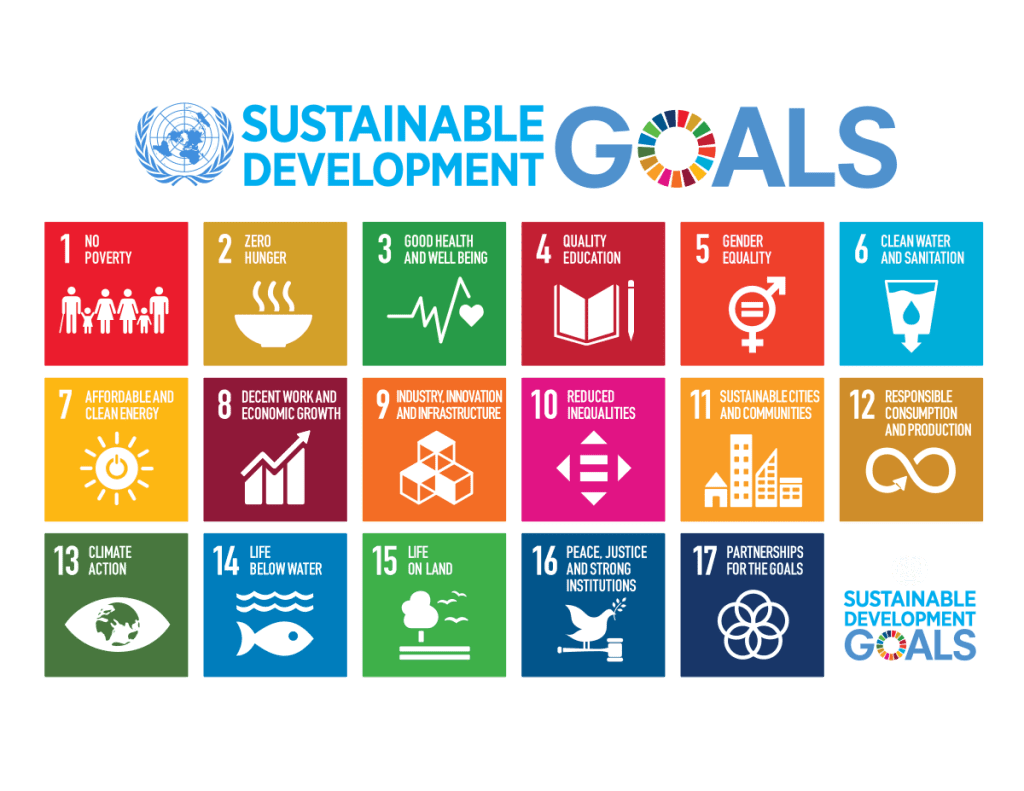
    The novel coronavirus (COVID-19) pandemic has been a significant setback for countries’ achievement of the 17 United Nations Sustainable Development Goals (SDGs) and their 169 targets. This was one of the main takeaways from the virtual launch of the Sustainable Development Report 2021: The Decade of Action for the Sustainable Development Goals on June 14.

    Released annually, the Sustainable Development Report is a key resource for tracking countries’ progress towards achievement of the SDGs which are part of the 2030 Agenda for Development agreed to by UN Member States, including those in the Caribbean, in 2015. The goals are ambitious, balancing all three elements of sustainable development: economic, social and environmental. Countries agree to achieve these goals by 2030 and this decade has been declared the ‘Decade of Action’ for the SDGs.

    A country’s rank on the SDG Index is determined by its overall score. This overall score measures a country’s total progress towards achieving all 17 SDGs, with a score of 100 being a perfect score, that is, complete achievement of all 17 SDGs. The score can be interpreted as a percentage of SDG achievement. The report also contains dashboards showing countries’ trends on the individual goals, subject to data availability.

    Top performers globally

    This year’s report ranked 165 countries. Overall, member states of the Organisation for Economic Cooperation and Development (OECD) are nearer to achieving the targets than any other country group, according to the Report. Finland tops the SDG Index 2021 with an overall score of 85.90, followed by Sweden, Denmark, Germany and Belgium to round out the top 5 performing countries. However, no country in the world has a perfect score nor is on track for achieving all the goals by 2030.

    Bangladesh has registered the most progress towards SDG achievement, followed by Afghanistan and Cote d’Ivoire. Indeed, East  and South Asia was revealed to be the region which has progressed the most on the SDGs. Brazil, Venezuela and Tuvalu were the countries which registered the most marked declines.

    Caribbean countries’ performance

    Many SIDS, including from the Caribbean, are not ranked on the SDG Index due to insufficient data. For those Caribbean countries ranked, Cuba was the highest with a rank of 49 followed by the Dominican Republic (67). Among countries of the Caribbean Community (CARICOM), Jamaica is the highest ranked at 81 out of 165 countries and a score of 69, a modest improvement from its score of 68.7 on the 2020 index.

    Jamaica is followed in rank by Barbados (83), Suriname (91), Belize (104), Trinidad & Tobago (108), Guyana (128) and Haiti (150). Jamaica and Barbados were the only two CARICOM countries to see an improvement in their overall score compared to 2020 levels. Suriname, Belize, Trinidad & Tobago, Guyana and Haiti saw declines in their overall scores towards SDG progress.

    Country profiles are however included even for those countries which are unable to be ranked on the index due to data shortages.

    Some key take-aways from the report

    The authors described 2020 as a ‘major setback for sustainable development’. For the first time since the SDG Index has been published, there has been a global decline in goal achievement driven in great part by an increase in extreme poverty and unemployment largely as a result of the COVID-19 pandemic.

    The report noted that there remains a gap between countries’ SDG commitments and implementation/mainstreaming. This must be addressed if the goals are to be achieved by 2030. The Report called for strong multilateral action to make the ‘Decade for Action’ count.  The authors further pointed to the need for a significant increase in fiscal space, global tax reform and expanded financing by multilateral development banks and debt relief to restore SDG progress in developing countries.

    The Report also contained a 2021 International Spillover Index which demonstrated how rich countries can generate negative socioeconomic and environmental spillovers undermining poorer countries’ ability to mobilise the financial resources needed to achieve the SDGs. Indeed, it highlighted how unsustainable trade and supply chains and tax havens and profit shifting in many rich countries undermine other countries’ ability to mobilize needed financial resources to achieve the SDGs.

    The report was prepared by teams of independent experts at the Sustainable Development Solutions Network (SDSN) and the Bertelsmann Stiftung and was authored by Jeffrey Sachs, Christian Kroll, Guillaume Lafortune, Grayson Fuller and Finn Woelm.

    The full SDG Report 2021 may be accessed here.

    Alicia Nicholls, B.Sc., M.Sc., LL.B. is a trade and development consultant with a keen interest in sustainable development, international law and trade. All views herein expressed are her personal views and should not be attributed to any institution with which she may from time to time be affiliated. You can read more of her commentaries and follow her on Twitter @LicyLaw.

  • CARICOM Heads adopt St. Johns Declaration to address plastic pollution in Caribbean Sea

    CARICOM Heads adopt St. Johns Declaration to address plastic pollution in Caribbean Sea

    Alicia Nicholls

    Caribbean Community (CARICOM) Heads of Government this week adopted a Declaration aimed at addressing the high levels of plastics and microplastics in the Caribbean Sea and their adverse impact on Caribbean sustainable development.

    The St. John’s Declaration was signed and launched by the Government of Antigua and Barbuda at the Play it Out Concert hosted by Antigua and sponsored by Norway. It is part of the United Nations General Assembly (UNGA) President Maria Espinosa’s global call to action for Governments against plastic pollution and single-use plastics launched in December 2018. The Declaration was subsequently adopted by CARICOM Heads of Government during their 40th session held in St. Lucia July 3-5, 2019.

    Why is the St. John’s Declaration important?

    The Caribbean Sea is of tremendous economic, social and ecological value to the countries washed by its shores. A World Bank Study estimates that “in 2017, the insular Caribbean’s gross revenues from marine and coastal tourism alone totaled an estimated US$57 billion”. This same study cites pollution as one of the biggest threats to the Caribbean marine environment.

    Indeed, the World Bank study notes that “marine litter is accumulating in the Caribbean Sea, originating both in the region as well as distant countries overseas through the ocean currents” and that “studies have… found as many as 200,000 pieces of plastic per square kilometer in the northeastern Caribbean”.

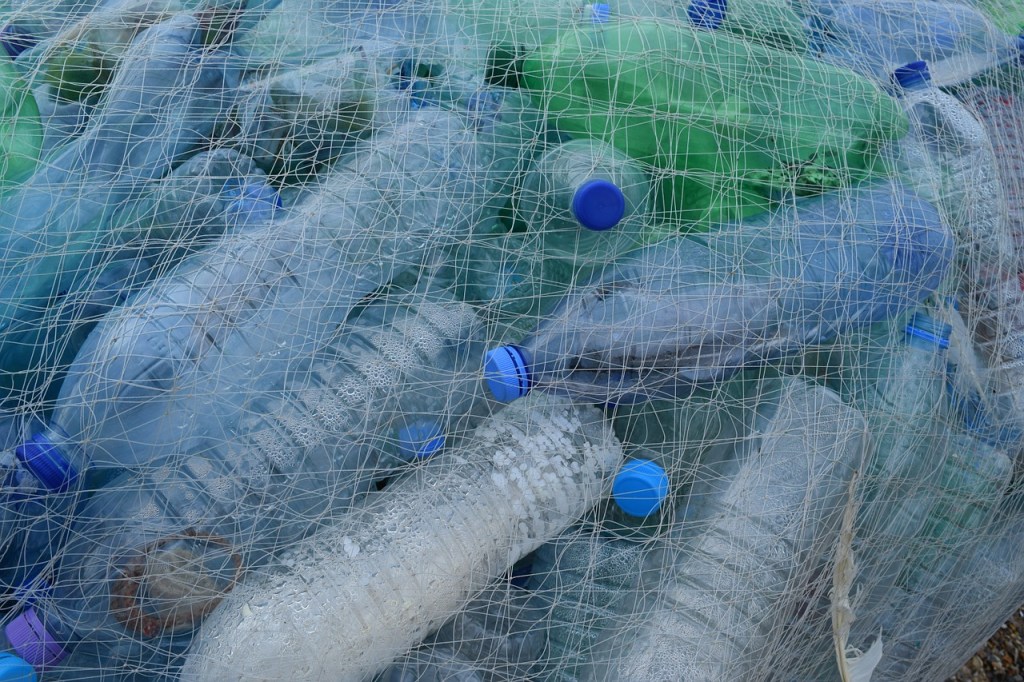
    According to the World Bank Report, “up to 80 per cent of the litter found in our oceans is made of plastic”. It further states that “Caribbean data from beach and coastal clean-ups in 2017 indicate that plastic beverage bottles alone amount to 21 percent of the items recorded.”

    These plastics are dangerous because they take many years to degrade, remaining blights on the marine and land-based environment and death traps for marine life. According to Ocean Crusaders, “100,000 marine creatures a year die from plastic entanglement” and approximately 1 million sea birds also die from plastic. This of course has implications for human health and food security.

    Twelve CARICOM Member States have to varying extents passed legislation to implement full or partial bans on the use of single use plastics and styrofoam products. However, the region has fallen short of a region-wide plastics ban. CARICOM’s adoption of the St. Johns Declaration is a good step towards showing our leadership’s commitment towards addressing the serious threat marine litter poses to our sustainable development.

    Key Elements of the Declaration

    The St. Johns Declaration encourages CARICOM Member States that have not yet done so to introduce measures to reduce and/or eliminate the use of single use plastics. It also commits to addressing the damage to our ecosystems caused by plastics by 2030 and to work with the private sector to “find affordable, sustainable and environmentally friendly alternatives”.

    The Declaration recognizes that effective implementation of these actions “requires enabling and coherent policy, legislative and regulatory frameworks, good governance and effective enforcement at the global, regional, national and local levels”. They also “encourage development partners and the private sector to contribute financial and technical assistance, capacity-building initiatives”.

    Marine litter is not just a Caribbean issue, but a global one. Firstly, plastic pollution in the Caribbean Sea comes not just from Caribbean countries, but from other countries, particularly in the North. Secondly, other oceans globally also face a similar threat.

    There has been some global action on the issue of marine litter. Goal 14 of the UN Agenda 2030 and its 17 Sustainable Development Goals is to “conserve and sustainably use the oceans, seas and marine resources for sustainable development’. More specifically, one of its targets is “to reduce significantly all forms of marine pollution by 2025”. There are also several United Nations resolutions, including resolution 4/7 on ‘Marine Litter and Microplastics’.

    Recently, the Association of Southeast Asian Nations (ASEAN) adopted the Bangkok Declaration on Combating Marine Debris in the ASEAN Region in June 2019. The St. Johns Declaration encourages other regional and sub regional groups of countries “to take similar measures to eliminate discharge of plastic litter and microplastics to wells, rivers, seas and oceans”.

    Given the magnitude of the threat of marine litter, and in particular, plastics pollution, global action still falls far short of what it should be. As such, the St. Johns Declaration calls for the urgent need for a global agreement to address plastics and microplastic pollution.

    Our CARICOM leaders’ adoption of the St. John’s Declaration is a good step, but this is just the beginning. It must be translated into concrete action. For instance, getting countries which have not yet done so to implement bans on single use plastics and styrofoam products. This requires not just strong enforcement of the bans, but widespread public service campaigns educating businesses and the general public on the impact plastics have on the marine environment, and consequent implications for human health and food security. As several countries around the world, including some Caribbean countries, have implemented bans, there is scope for learning from these countries’ experiences in order to formulate best practices.

    The full text of the Declaration of St. John’s is attached the Communique of the Conference of Heads of Government 40th Session which may be read here.

    Alicia Nicholls, B.Sc., M.Sc., LL.B., is an international trade and development consultant with a keen interest in sustainable development, international law and trade. You can also read more of her commentaries and follow her on Twitter @LicyLaw.

    DISCLAIMER: All views expressed herein are her personal views and do not necessarily reflect the views of any institution or entity with which she may be affiliated from time to time.