Welcome to the Caribbean Trade & Development News Digest for the week of August 30-September 5, 2020! We are back from our vacation hiatus and happy to once again bring you the major trade and development headlines and analysis from across the Caribbean Region and the world from the past week.
So what has happened while we were on break? The term of World Trade Organization (WTO) Director General (DG) Robert Azevedo ended on August 31, 2020 following his announcement in May that he would be stepping down from the post a year early.
The race for his successor is heating up and each of the candidates is making the rounds trying to make the case for why he or she is the best candidate to head the beleaguered WTO.
The US and EU came to an agreement in which the EU will eliminate tariffs on imports of U.S. live and frozen lobster products and the US will reduce by 50% its tariff rates on certain products exported by the EU worth an average annual trade value of $160 million. Read the full joint statement here.
The WTO has issued a call for papers for its new WTO Trade Economist Thematic Award. Trade experts at universities in developing countries are invited to submit case studies on the impact of the COVID-19 pandemic on trade and trade policy. The deadline is September 30, 2020. Read more here.
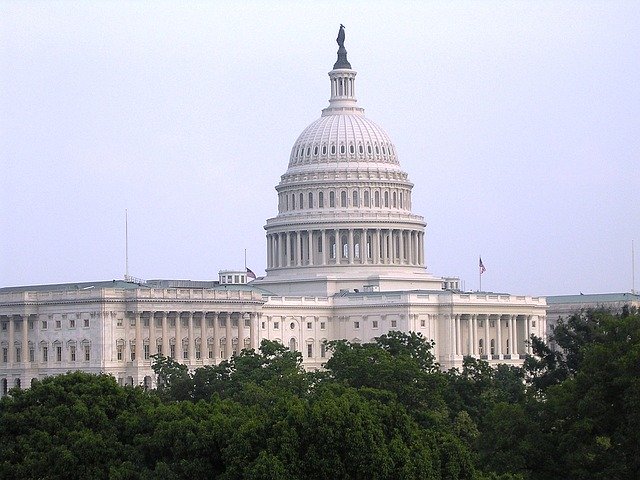
This week, the US House Ways and Means Committee will hold a remote hearing to consider the renewal of the Caribbean Basin Trade Partnership Act (CBTPA).
REGIONAL
AAFA, trade bodies urge USTR to support CBTPA renewal
Fibre2Fashion: The American Apparel & Footwear Association (AAFA) along with a dozen other trade bodies recently urged US trade representative Robert E Lighthizer to support Congress to renew the Caribbean Basin Trade Partnership Act (CBTPA) as soon as possible. The act, which celebrated its 20th anniversary on May 18 this year, is set to expire on September 30. Read more
UNCTAD 15 to benefit Barbados
Barbados Today: Barbadians are set to reap benefits from the upcoming United Nations Conference on Trade and Development (UNCTAD) 15 scheduled to take place next April. Read more
Barbados to open embassy in Ghana
Nation News: Minister of Health and Wellness, Lt Col Jeffrey Bostic, announced on Monday that Barbados has established an embassy in Ghana and the opening is scheduled for October. Read more
Important Issues for CARICOM SIDS Highlighted at Ministerial Round Table
Barbados Today: His Excellency Simon Stiell of Grenada has shared a number of important issues for CARICOM Small Island Developing States (SIDS) to be addressed as COP26 approached. The issues were shared with the Incoming COP President and his team at a Ministerial Roundtable between CARICOM Ministers and the Incoming President of the 26th United Nations Framework Convention on Climate Change (UNFCCC) Conference of the Parties (COP 26), on Thursday 27th August 2020. Twelve CARICOM Ministers attended the meeting. Read more
Development Bank of Jamaica to assist medium-sized companies through innovation grant fund
Jamaica Observer: The Development Bank of Jamaica (DBJ) has embarked on the implementation of a new product, the Innovation Grant Fund, to provide financial support for medium-sized companies looking to introduce or expand innovative processes, products, and/or services. Read more
Belize to export another 241 head of cattle to Mexico
Вrеаkіng Веlіzе Nеwѕ: ВВN hаѕ соnfіrmеd thаt ѕоmе 241 hеаd оf саttlе hаvе bееn lоаdеd іntо thrее truсkѕ іn thе vіllаgе оf Вluе Сrееk, Оrаngе Wаlk Dіѕtrісt, аnd аrе оn thеіr wау fоr ехроrt tо Мехісо. Read more
BelizeINVEST is calling all invest service providers to join its new network
Breaking Belize News: ВеlіzеІNVЕЅТ, а unіt оf thе Веlіzе Тrаdе аnd Іnvеѕtmеnt Dеvеlорmеnt Ѕеrvісе (ВЕLТRАІDЕ), іѕ саllіng оn іnvеѕtmеnt ѕеrvісе рrоvіdеrѕ асrоѕѕ Веlіzе tо јоіn ВЕLТRАІDЕ’ѕ Іnvеѕtmеnt Ѕеrvісеѕ Nеtwоrk (ВІЅN). Read more
INTERNATIONAL
Brexit: PM sets 15 October deadline for EU trade deal
BBC: Prime Minister Boris Johnson is expected to say that if no agreement on trade between the EU and UK can be reached by 15 October both sides should “accept that and move on”. Read more
UK Government announces new Board of Trade
Gov.uk: The Department for International Trade has today (Friday 4 September) announced its new advisers to the Board of Trade, comprising of senior figures from business, academia and government. Read more
Tony Abbott: Ex-Australian PM appointed UK trade adviser
BBC: Former Australian Prime Minister Tony Abbott has been appointed as an unpaid trade adviser to the UK government. Boris Johnson rejected claims Mr Abbott was not suitable for the role, despite criticism over past comments on women, LGBT people and climate change. Read more
Brexit: This week is ‘moment of reckoning’ for UK-EU trade deal with two sticking points remaining – Raab
Sky News: David Frost, who will lead the UK’s post-Brexit trade talks, will meet EU chief negotiator Michel Barnier in London next week. Read more
United Kingdom to quit Brexit trade-deal talks if no agreement with European Union by October 15
ABC (Australia): British Prime Minister Boris Johnson has warned Britain could walk away from post-Brexit trade talks with the European Union within weeks ahead of the next crucial round of discussions. Read more
US trade deficit soars to 12-year high
The Hill: The trade deficit in July spiked 18.9 percent to $63.6 billion, the highest since July 2008 during the Great Recession, according to Commerce Department data released Thursday. Read more
As WTO Members Prepare to Name a New Chief, We Must Remember the Lessons of Years Past
IISD: It has now been seven years since the World Trade Organization (WTO) saw its top leadership position change hands and, as expected, who will be the next head of the Geneva-based institution has become the talk of the trade community. Read more
As Roberto Azevêdo Jumps Ship from WTO to Pepsi, What Legacy Does he Leave Behind?
The Wire: Azevedo has claimed success on issues like a Trade Facilitation Agreement aimed to cut through delays in trade. But on his watch, the WTO also failed to conclude the Doha Development Agenda. Read more
WTO Outlines Relationships between Cross-border Mobility, COVID-19, and Global Trade
IISD: The World Trade Organization (WTO) has issued an information note that articulates how temporary border closures and travel restrictions associated with the COVID-19 pandemic have affected goods and services trade. Read more
Lacalle Pou says EU-Mercosur deal ‘advances’ but not at ‘expected speed’
Buenos Aires Times: Uruguayan leader’s comments just the latest in a series indicating that momentum for the accord has slowed. Read more
Low-Key EU Player’s New Job May Help Sell Mercosur Deal
Bloomberg: A month before he resigned as European Union trade commissioner over an Irish coronavirus controversy, Phil Hogan made a much less publicized job announcement: appointing the first person to police the bloc’s slew of commercial agreements with the rest of the world. Read more
Brazil/Argentina spat over non automatic import licenses delaying Mercosur bilateral trade
Mercopress: Brazil expressed its disenchantment with the Argentine policy of delaying the approval of the so-called nonautomatic import licenses which has seen millions of dollars in sales held at the border. This situation has been increasing in recent months, in what is considered a breach of bilateral accords in the framework of Mercosur agreements, and the World Trade Organization, WTO, rules. Read more
Top envoy says US preparing tighter oil sanctions on Venezuela
Al Jazeera: US President Trump has ramped up sanctions on Venezuela’s state-run PDVSA, its key foreign partners and its customers. Read more
Taiwan and US move closer to Bilateral Trade Agreement
Nikkei Asian Review: Taiwan President Tsai Ing-wen addressed one of the primary irritants in the U.S.-Taiwan trade relationship last week by relaxing regulations on pork imports containing the steroid ractopamine. Read more
Japan and Britain delay agreement on post-Brexit trade pact
Japan Times: The Japanese and British governments stopped short of reaching a broad accord on a new bilateral trade deal on Friday, citing the need for further negotiations on how to handle Japanese tariffs on British blue cheese. Read more
Africa: Duty-Free Imports Sought by U.S. Apparel Makers Would Vitiate Africa Trade – Agoa Coalition Warns Congress
AllAfrica: The following letter was sent by the Agoa Action Coalition to the chairman of the U.S. House Ways and Means Subcommittee on Trade Earl Blumenauer (Democrat-Oregon), as well as the chairman of the full committee, Richard Neal (Democrat-Massachusetts) and ranking Committee member Kevin Brady (Republican-Texas), and ranking Trade Subcommittee member Vern Buchanan (Republican-Florida). Read more
Africa Trade Pact’s Architects Seek to Help Offset Tariff Losses
Bloomberg: Architects of an Africa-wide free-trade area are in talks with the African Export-Import Bank to set up an adjustment facility to offset revenue losses for countries that lower cross-border tariffs, according to the zone’s most senior official. Read more
Turkey’s push to win over the Maghreb: The gateway to Africa
The Africa Report: For several years, the Turks have been working to strengthen their ties with Algiers, Tunis and Rabat. This strategy is all the more crucial since Recep Tayyip Erdogan has engaged his country on several fronts in the region. Read more
Covid-19 hits East African agri value chains
African Business: As the African Green Revolution Forum (AGRF) kicks off on September 8, agriculture and food security will take the spotlight. While agriculture provides food and income security to more than half of the population in developing countries, the opportunities are mostly low paying with poor working conditions. Read more
Pacific island countries band together to increase export quality
EIF: Trade ministers in the Pacific approve the region’s first strategic framework on Quality Infrastructure. Read more
India’s virus woes hit imports more than its exports
Livemint: Between Apr and Jul, the goods imports have fallen by 46.7% to $88.9 bn. In comparison, goods exports during the same period have fallen at a much slower pace of 30.3% to $74.9 bn. Why have exports fallen at a much slower pace than imports? Mint takes a look. Read more
India-Bangladesh trade halts after exporters allege corruption
The Telegraph: Disruption in the trans-border trade for 2 consecutive days has resulted in a loss of nearly Rs 20 crore. Read more
STRAIGHT FROM THE WTO
NEW ON THE CTLD BLOG
The Caribbean Trade & Development Digest is a weekly trade news digest produced and published by the Caribbean Trade Law & Development Blog. Liked this issue? To read past issues, please visit here. To receive these mailings directly to your inbox, please subscribe to our Blog below:


 Caribbean Trade Law and Development
You must be logged in to post a comment.