Tag: CARICOM

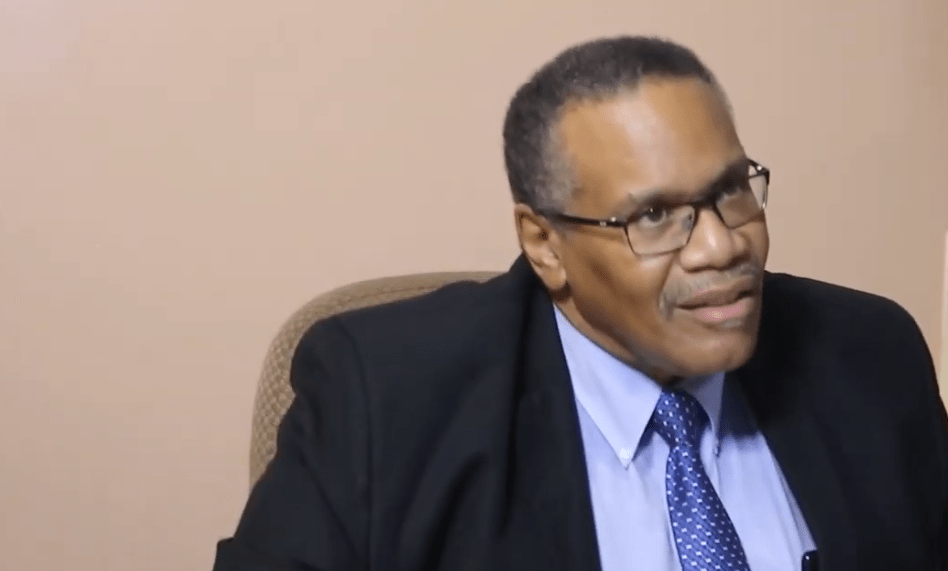
  • Full Interview with CARICOM’s Assistant Secretary-General, Joseph Cox – 51st COTED Meeting – VIDEO

    Full Interview with CARICOM’s Assistant Secretary-General, Joseph Cox – 51st COTED Meeting – VIDEO

    Many critical issues were on the agenda at the last CARICOM Council for Trade and Economic Development (COTED) meeting held virtually November 26-27, 2020. The 51st COTED meeting was chaired by Hon. Oneidge Walrond, Guyana’s Minister of Tourism, Industry and Commerce. Some of the issues discussed were a “Made in CARICOM” initiative, greater private sector engagement, the COVID-19 pandemic, among others.

    In the interview below published on CARICOM Assistant Secretary-General’s Youtube channel, ASG Cox discusses the main issues and outcomes from this important meeting.

    Watch the full interview below here:

  • Final Declaration of the 7th CARICOM-CUBA Summit Meeting

    Final Declaration of the 7th CARICOM-CUBA Summit Meeting

    From the CARICOM Secretariat:

    We, the Heads of State and Government of the Caribbean Community (CARICOM) and the Republic of Cuba, gathered via videoconference on 8 December, 2020, on the occasion of the 7th CARICOM-Cuba Summit held in commemoration of the 48th anniversary of the diplomatic relations between the four CARICOM independent States and Cuba and the 18th anniversary of CARICOM-Cuba Day;

    Proud of our shared Caribbean identity and the progress of our political and cooperative relations that have been strengthened by our arrangements, exchanges and coordination at international forums to the benefit of our peoples, and guided by the principles of solidarity and complementarity;

    Recalling the Declarations of our Summits of Havana in 2002, Bridgetown in 2005, Santiago de Cuba in 2008, Port of Spain in 2011, Havana in 2014, and Saint Mary’s in 2017;

    Aware of our need to work together, particularly in the economic and environmental areas, for the sustainable development of our nations in a manner that helps us build more inclusive, just and equitable societies, and address our shared vulnerabilities as Small Island Developing States and countries with low-lying coastal areas;

    Deeply grieved by the loss of lives and concerned by the extensive socioeconomic effects of the COVID-19 pandemic and the devastating weather events that have worsened the multiple crises faced by mankind today;

    Welcoming the medical assistance provided to the Member States of CARICOM by the Government of Cuba in response to the COVID-19 pandemic

    Highlighting the importance of pooling our efforts in order to improve the productivity, infrastructure, and air and sea connectivity in our countries, and expand our economic and trade ties, through the implementation of the Revised CARICOM-Cuba Trade and Economic Cooperation Agreement; 

    Underlining the significance of consolidating the Community of Latin American and Caribbean States (CELAC) as a mechanism for political consultation, the promotion of our regional unity and integration, and the defence of our regional interests in international affairs and our relations with third-parties; and 

    Reaffirming the effectiveness of the Proclamation of Latin America and the Caribbean as a Zone of Peace, signed in Havana in January 2014.

    HAVE AGREED AS FOLLOWS:

    1. Reiterate that our regional unity and integration are based on our absolute respect for the Purposes and Principles enshrined in the United Nations Charter and International Law; in particular, the principles of sovereignty, self-determination, territorial integrity, non-interference in the internal affairs of States, peaceful settlement of disputes, the prohibition on the use or threat of force; as well as the promotion and protection of human rights for all.
    2. Underscore the importance of defending our regional unity for the preservation of the peace and stability of our countries.
    3. Welcome the outcomes of the 6th CARICOM-Cuba Meeting of Ministers of Foreign Affairs held in Georgetown, Guyana, on 14 June, 2019, which agreed on the need for more cooperation, as well as increased trade and investment.
    4. Reaffirm our will to strengthen South-South cooperation as an expression of solidarity, for the promotion of bilateral and regional programs, as well as triangular cooperation for development, with regard paid to national priorities.
    5. Express our will to continue to receive Cuban medical cooperation in recognition of its contribution to the wellbeing of the Caribbean people; in particular, its valuable human resources which were added to the fight against the COVID-19 pandemic.  We reject any attempt to discredit, distort or disrupt Cuban medical assistance, an important aid to the region and to Caribbean healthcare system.
    6. Share our best experiences in the management of the COVID-19 pandemic and other epidemiological conditions that are common to the Caribbean, and assess the possible application of innovative Cuban biotech medicines in the prevention and treatment of this pandemic.
    7. Recognize that the cooperation maintained between Cuba and the CARICOM Member States in the areas of health, human-resource training, construction, sports, education, environmental protection, and natural disaster risk reduction and mitigation, has effectively contributed to the development and wellbeing of our peoples.
    8. Continue the implementation of the Center for Stimulating the Development of Children and Young People with Special Educational Needs in Guyana.
    9. Maintain the exchanges so that the Regional School of Arts in Jamaica can start to operate.
    10. Acknowledge our commitment to finding avenues that promote our economic and commercial relations by identifying our strengths and possible complementarities, and by implementing and relying more on the Second Protocol to the CARICOM-Cuba Trade and Economic Cooperation Agreement.    
    11. Note that the Cuban economic model update, the Cuban foreign investment law and the Mariel Special Development Zone offer broad and additional opportunities for the intensification and reinforcement of the economic ties between CARICOM and Cuba.
    12. Recognize the promotion of sustainable tourism as one of the keys to economic development in the Caribbean region, and agree to strengthen our cooperation in this sector, including the implementation of multi-destination tourism in accordance with the terms of the Memorandum of Understanding between the Government of the Republic of Cuba and CARICOM States signed at the 6th CARICOM-Cuba Summit. 
    13. Emphasize that, given the scope of its impact, climate change represents one of the greatest challenges faced by our nations, the repercussions of which are particularly serious in developing countries; especially in Small Island Developing States.  For this reason, we commit to expanding our exchanges in the context of CARICOM and at relevant international agencies, in order to mitigate its adverse effects.
    14. Underline that adaptation to the impact of climate change constitutes an immediate and urgent global priority.
    15. Strengthen our cooperation in the protection of the environment and the sustainable use of our resources; in particular, those of the Caribbean Sea.  In this regard, we support the efforts made by the Association of Caribbean States to designate the Caribbean Sea as a “Special Area in the Context of Sustainable Development,” within the UN framework.
    16. Welcome the actions jointly implemented by our countries in order to reduce the risks of natural disasters and note the agreement signed between the Cuban Civil Defense Authority and the Caribbean Disaster Emergency Management Agency for the purpose of expanding and integrating our regional early warning systems.  We recognize the joint efforts made to train a number of Caribbean first-response bodies, as well as Cuban and Caribbean specialists in the management of responses to natural disasters.
    17. Renew our call for a review and modification of the current “graduation” criteria for the receipt of Official Development Assistance to properly reflect the realities and specific needs of the highly indebted middle-income countries; in particular, the Caribbean States, and to integrate the different dimensions of sustainable development included in the 2030 agenda, considering that the current criteria fail to reflect our actual levels of economic and social development or the multidimensional effects of poverty, inequality and vulnerability.
    18. Express deep concern over the inclusion of certain CARICOM Member States in lists of non-cooperative tax jurisdictions and call for a change in this approach which serves to negatively impact the economies of those countries that have shown their readiness to cooperate and engage in dialogue in order to find mutually advantageous solutions for the parties.
    19. Express deep concern over and rejection of the progressive decline in correspondent banking relations being experienced by developing nations; in particular, CARICOM Member States, due to the de-risking actions by some of the major international banking corporations, which threatens the financial stability of the affected countries and limits their efforts to achieve development and socioeconomic growth.
    20. Highlight the importance of reparation and compensation, as an act of justice, for the damages caused by slavery, indentured servitude and native genocide in the Caribbean.
    21. Reject the imposition of unilateral coercive measures and, in that context, call for an immediate and unconditional end of the economic, commercial and financial blockade implemented by the Government of the United States of America against Cuba, and the termination of the US persecution of Cuban financial transactions, the relentlessness of which has increased.  Reiterate our firm rejection of the enforcement of extraterritorial laws and measures, such as the Helms-Burton Act, which grossly violate International Law and undermine the sovereignty and interests of third parties.
    22. Express our gratitude to the Government of the Republic of Cuba for its arrangements for this 7th Summit of the Heads of State and Government of CARICOM and Cuba held via videoconference.
    23. Hold the 8th CARICOM-Cuba Summit in 2023, and the 7th CARICOM-Cuba Ministerial Meeting in the Republic of Cuba in June 2022.
    24. Adopted on this 8th day of December 2020.
  • Caribbean Trade & Development News Digest – November 29 – December 5, 2020

    Caribbean Trade & Development News Digest – November 29 – December 5, 2020

    Season’s Greetings! Welcome to the Caribbean Trade & Development News Digest for the week of November 29-December 5, 2020! We are pleased to bring you the major trade and development news headlines and analysis from across the Caribbean Region and the world from the past week.

    THIS WEEK’S HIGHLIGHTS

    This week, on December 3, negotiators from the European Union (EU) and the Organisation of African, Caribbean and Pacific States (OACPS) finally reached a twenty-year post-Cotonou partnership agreement. With the clock ticking to December 31 – the end of the UK’s transition period – post-brexit negotiations remain hung up on sticking points.

    For the first time since its establishment, the WTO’s Appellate Body will no longer have a single sitting judge as the term of the last remaining AB member Prof. Dr. Hong Zhao of China expired November 30.

    On December 4, Vanuatu became the sixth country to graduate from the United Nations’ category of Least Developed Country. Read more here

    The UN Commission on Narcotic Drugs has voted this week to reclassify cannabis out of the most dangerous category of drug, i.e. removal from Schedule IV of the 1961 Single Convention on Narcotic Drugs which had discouraged even medicinal use. This reclassification has been hailed as a step forward for some Caribbean countries like Jamaica which have joined a growing number of developed countries in developing a cannabis industry, including making cannabis use legal for medicinal and therapeutic purposes. Read more here.

    Looking regionally, the Caribbean Community (CARICOM) signed an MOU with the recently formed CARICOM Private Sector Organisation towards achievement of the CARICOM Single Market and Economy (CSME). CPSO was designated a CARICOM associate institution on October 29, 2020. Read my article on this deepened CARICOM-private sector engagement here.

    REGIONAL NEWS

    Caribbean welcomes new deal to replace Cotonou Agreement

    Jamaica Observer: The Caribbean has welcomed the political deal reached between chief negotiators for the European Union and the Organisation of African, Caribbean and Pacific States (OACPS), for a new partnership accord to replace the Cotonou Agreement. Read more

    EU Blacklists and the WTO

    News784: In this piece, we have argued that trade agreements, buttressed by their dispute settlement and institutional mechanisms, provide viable avenues for CARICOM MS to address the longstanding problem of their inclusion on arbitrary national blacklists by the EU. Read more

    EU and ACP finalise post-Cotonou treaty, after two-year delay

    Euractiv: Negotiators from the EU and African, Caribbean and Pacific community signed off on a broad 20-year partnership deal to succeed the Cotonou Agreement on Thursday night (3 December) after nearly three years of difficult talks. Read more

    CARICOM asks probing questions at UN special session

    Barbados Today: On December 3 and 4, some 155 Presidents and Prime Ministers participated in a Special Session of the United Nations (UN) General Assembly, to discuss the Corona Virus Disease (COVID-19) and the UN response to the pandemic. Read more

    Port of Bridgetown wins Top Award

    GIS.bb: The Port of Bridgetown has captured the 2020 Novaport Cup for Most Improved Port Performance, emerging the winner among nine regional competing ports. Read more

    Jamaica Government secures partnership to expand e-commerce opportunities for MSMEs

    Jamaica Observer: The Government has partnered with two international firms to deliver digital marketing solutions and e-commerce opportunities to micro, small and medium enterprises (MSMEs) as a mechanism to cope with the impact of physical distancing and other restrictive measures due to the novel coronavirus pandemic. Read more

    COTED endorses Made in CARICOM Initiative

    CARICOM: Trade ministers of the Caribbean Community (CARICOM) have unanimously endorsed a proposal to develop a ‘Made in CARICOM’ promotional initiative which will capitalise on one of the opportunities presented by the pandemic. Read more

    New CARICOM-EU project will tackle climate change and its health impacts in the Caribbean

    PAHO: International, regional, and government leaders announced the launch of a broad-based project to support actions to mitigate climate change and its serious health impacts in Caribbean nations. The EU/CARIFORUM Strengthening Climate Resilient Health Systems Project – a joint project of the European Union and CARICOM that PAHO is coordinating – will advance public understanding of climate change effects and strengthen the ability of health systems to respond to climate-related health impacts. Read more

    Guyana’s private sector must help gov’t push down CARICOM trade barriers- Pres. Ali

    Demerara Waves: Even as a newly-formed Caribbean Manufacturing Association (CMA) plans to explore the production of specialised sugars, Guyana’s President Irfaan Ali on Wednesday called on local manufacturers to aggressively remove trade barriers in the Caribbean Community’s Single Market. Read more

    New Chamber of Commerce to Facilitate Two-Way Trade & Investment Between Canada & Guyana

    Newswire: The Canada-Guyana Chamber of Commerce (CGCC) was officially launched today with a mission to facilitate two-way trade and investment between Canada and one of the fastest growing economies in the world – Guyana. Read more

    Grenada Announces Temporary Ban On Poultry From United Kingdom

    Jamaica Gleaner: Grenada says it will place a temporary ban on the importation of poultry products from the United Kingdom as of Monday. Read more

    Jamaica’s imports and exports decline from January – August 2020

    Jamaica Observer: There was a decline in Jamaica’s imports and exports for January to August 2020 when compared to the similar period in 2019 as released today by the Statistical Institute of Jamaica (STATIN). Read more

    Guyana lacks workforce to benefit from impending `explosive’ growth – Canadian High Commissioner

    Stabroek: Outgoing Canadian High Commissioner Lilian Chatterjee today said that Guyana lacks a skilled and sizeable labour force to benefit from the “explosive” oil-linked growth that is coming and she urged the country not to resist foreign investment but use its judgement on who to trust. Read more

    Entrepreneur touts Dominican Republic-Commonwealth trade ties

    Dominican Today: The president of the Round Table of the Countries of the Commonwealth in the Dominican Republic, Fernando González Nicolás, highlighted the influence that the 54 countries of the Commonwealth have on exports and foreign investment in our nation. Read more

    INTERNATIONAL NEWS

    Vanuatu graduated from LDC status

    UN: On 4 December, Vanuatu became the sixth country to graduate from the least developed country (LDC) category. As noted by the United Nations Secretary-General, this is “testimony to years of effort resulting in hard-won sustainable development gains”. Read more

    ‘Painful’ exit of Chinese member leaves WTO appeals body without a judge and trade dispute cases in limbo

    SCMP: For the first time since the World Trade Organization was set up 25 years ago, its Appellate Body, dubbed the top court for world trade, will have no serving judges after the departure of the Chinese member, curbing the WTO’s capacity to handle disputes. Read more

    China’s former trade chief hits out at ‘groundless’ claims country cannot join CPTPP

    SCMP: Beijing’s former top trade negotiator has dismissed as “groundless” claims that China would not meet strict criteria to join the Comprehensive and Progressive Agreement for Trans-Pacific Partnership (CPTPP) in the long term. Read more

    U.S. trade deficit widens by 1.7% to $63.1 billion in October

    CNBC: The U.S. trade deficit widened 1.7% in October to $63.1 billion. The politically sensitive gap in the trade of goods with China and Mexico grew. Read more

    US judge orders Trump administration to restore ‘Dreamer’ immigration program

    Barbados Today: A US judge ordered the Trump administration Friday to fully reinstate a program that protects from deportation immigrants who came to the country illegally as children. Read more

    Why Biden will find it hard to undo Trump’s costly ‘America first’ trade policy

    The Conversation: Since becoming president-elect, Joe Biden has signaled that restoring America’s leadership on the world stage is among his highest priorities – an intention aptly demonstrated by his Cabinet picks. Read more

    India submits new proposal limiting role of WTO dispute panel in fisheries management

    Hindu Business Line: New Delhi’s proposal on exempting developing countries with incomes, fish volume below given threshold to be discussed further. Read more

    Thirteen Extra Ordinary Session on the African Continental Free Trade Area (AfCFTA): The Assembly of the Union adopts decision on the start of trading

    Africa News: African Union Heads of State and Government have underscored the urgent need for member states to kick-start trading activities, under the African Continental Free Trade Area (AfCFTA). The decision was adopted during a virtual meeting of the 13th Extra Ordinary Session of the Assembly of the Union on the AfCFTA, held on Saturday 5 December 2020, under the Chairmanship of H.E. Mr Cyril Ramaphosa, President of the Republic of South Africa and Chairperson of the African Union (AU). Read more

    South Africa to make changes to its borders as it prepares for multi-trillion rand trade deal

    Business Tech: President Cyril Ramaphosa’s cabinet has approved a draft One-Stop Border Policy (OSBP) for public consultation. Read more

    Canada trade deficit shrinks slightly in October, still higher than expected

    Reuters: Canada’s trade deficit narrowed slightly to a still greater-than-expected C$3.76 billion ($2.94 billion) in October as exports grew at a faster pace than imports, Statistics Canada data showed on Friday. Read more

    Cambodia, S. Korea FTA much closer

    Khmer Times: A senior official of the Ministry of Commerce (MoC) said negotiations towards a free trade agreement (FTA) between Cambodia and South Korea saw agreement on 90 percent of the issues addressed as the fourth round of talks concluded last month. Read more

    Envoy: US trade embargo is ‘main obstacle’ to trade between Cuba and other countries

    Khmer Times: Sanctions imposed by the United States (US) are a serious roadblock for Cuba doing business with other countries. This was one of the points made by Cuban Ambassador to Cambodia Liurka Rodriguez Barrios in an exclusive interview conducted at the Cuban Embassy in Phnom Penh. Read more

    WTO members may seek more time to decide on TRIPS waiver to fight Covid-19

    Hindu Business Line: 90-day timeline for decision on the India-South Africa proposal to lapse on December 31, but more deliberations could be needed, say officials. Read more

    Japan urges South Korea to end tariffs on steel bars after WTO ruling

    Japan Times: Japan urged South Korea on Tuesday to immediately remove its anti-dumping tariff on Japan-made stainless steel bars after a World Trade Organization dispute settlement panel decision said an extension of the protections would be a contravention of WTO rules. Read more

    What Janet Yellen’s nomination as Treasury secretary means for U.S. policy on China and trade

    CNBC: Former Federal Reserve Chair Janet Yellen has been nominated by President-elect Joe Biden as his Treasury secretary — a position that would make her, if confirmed by the Senate, a critical figure in U.S. trade negotiations with China. Read more

    WTO Members Reveal “Entrenched” Differences as Fisheries Talks Approach 2020 Deadline

    IISD: “Entrenched” positions regarding the issue of special and differential treatment (S&DT) for developing and least developed countries (LDCs) are presenting a challenge in the negotiations on a World Trade Organization (WTO) agreement that would curb harmful fisheries subsidies. Read more

    Brexit trade talks: What’s at stake if no deal is reached

    Sky News: Tariffs, Northern Ireland, travel and mobile phone roaming charges will all be impacted if the two sides cannot reach agreement. Read more

    STRAIGHT FROM THE WTO

    NEW ON THE CTLD BLOG

    The Caribbean Trade & Development Digest is a weekly trade news digest produced and published by the Caribbean Trade Law & Development Blog. Liked this issue? To read past issues, please visit here. To receive these mailings directly to your inbox, please subscribe to our Blog below:

  • CARICOM-Private Sector Engagement Requires Sustainable Development as its ‘Guide Star’

    CARICOM-Private Sector Engagement Requires Sustainable Development as its ‘Guide Star’

    Alicia Nicholls

    The novel coronavirus virus disease (COVID-19) pandemic has reiterated the need for Caribbean Community (CARICOM) Member States to not only diversify their economies and trading partners, but to deepen intra-regional integration as part of their economic recovery and sustainable development efforts. The astronomical term ‘guide star’ – the star used by a telescope to keep focus on a celestial object as the telescope moves – is a useful reference in seeking to contextualise the promise of a more structured CARICOM-private sector relationship in assisting in the region’s integration, trade and post-COVID-19 recovery.

    As recognized by the Addis Ababa Action Agenda on financing for development, the private sector is an important driver of growth, economic activity and job creation and can, therefore, be a valued development partner to governments in the formulation of policies and mobilisation of resources for achieving the 17 United Nations Sustainable Development Goals (SDGs) and their 169 targets. To achieve this, the private sector must move from being a mere passive actor which is simply informed of government policy, to a more active actor consulted on and involved in policy dialogue, but not in a way that encourages corruption or rent-seeking behaviour.  

    On December 3, 2020, CARICOM took further steps towards a structured relationship with the region’s private sector through the signing of a Memorandum of Understanding (MOU) with the recently formed CARICOM Private Sector Organisation (CPSO) for achievement of the CARICOM Single Market and Economy (CSME). This article discusses why these recent developments are both laudatory and encouraging, but that sustainable and inclusive development, and not merely CSME achievement, should be the ‘guide star’ for this relationship if it is to redound to the benefit of the region’s people on a whole.

    The new CPSO and the CARICOM-CPSO MOU

    Institutionalisation of a CARICOM- private sector relationship has been mooted on previous occasions and more recently, was one of the recommendations (recommendation 31) made in the Report of the Commission to Review Jamaica’s Relations within the CARICOM and CARIFORUM Frameworks (the Golding Report). The most recent ground work for the establishment of a regional body to facilitate more structured engagement between CARICOM and the regional private sector was laid at a meeting of regional private sector officials in June 2019. A year later on June 2, 2020, the CPSO was incorporated as a non-profit in Barbados, where it is presently headquartered.

    On October 29, 2020,  the CPSO was designated as a CARICOM associate institution, establishing a formal functional relationship with CARICOM. The MOU, whose text is thankfully available on the CARICOM website, establishes a mechanism “for substantive and effective cooperation” between CARICOM and the CPSO in pursuit of a fully implemented CSME. As such, the scope of the parties’ cooperation will be on achieving elements of the CARICOM work programme conducive to the goals of the CSME which seeks to transform CARICOM from a single market to a single economy in which there is free movement of goods, services, skills, capital and the right of establishment.

    Without doubt, the private sector’s active involvement is a necessary precondition for the successful implementation and monitoring of the CSME. Under the MOU, the CPSO will have the opportunity to participate in meetings of the Organs of the Community as an Observer and may be invited by CARICOM to participate in Committees, Working Groups and Technical Teams established by the Organs of the Caribbean Community. According to the press release announcing the MOU, the CPSO has already been engaging in several important CSME-related regional discussions.

    However, CPSO’s involvement in meetings does not entail a right to vote or to prevent consensus, which likely seeks to ensure that decision-making remains the purview of the government representatives and there is no undue special interest influence on decision-making. The MOU also provides for the appointment of a Joint Technical Team comprising representatives of the CARICOM Secretariat and the CPSO Technical Secretariat, and for working groups to be established for the furtherance of the MOU’s objectives.

    Potential benefits of a more structured CARICOM-private sector relationship

    There are several potential benefits which this push towards institutionalization of greater private sector engagement could have for enhancing the CSME more specifically, and trade and sustainable development more broadly. While it is governments which negotiate and sign trade agreements, it is firms which must convert this market access on paper into market penetration in practice. The private sector’s knowledge, expertise and experience are important for identifying priorities for CSME implementation, providing feedback on what aspects of the CSME are not working optimally and what barriers they face in regional markets. Additionally, any attempt to flesh out a regional export development strategy, trade policy or industrial policy requires active private sector involvement and engagement in their formulation, implementation and monitoring if these policies are to be effective.

    Policy-making at the national and regional level must be sensitive to and account for the diversity within the region’s private sector. The bigger firms of some Member States, such as Trinidad & Tobago, Jamaica and to a lesser extent Barbados, tend to be more experienced in exporting than those of some smaller Member States. It should not just be the larger firms – those whose operations often expand beyond the region – whose views are represented by the CPSO in its dealings with CARICOM organs and bodies. The voice of smaller firms like the micro-firms must also be represented and taken into account. Regional policy making should also appreciate the unique challenges facing women-owned enterprises, such as the difficulty in accessing financing on equal terms as male-owned enterprises, as well as those businesses owned by vulnerable groups, such as the youth and indigenous peoples.

    Private sector engagement will also be necessary for informing regional business and investment climate reforms. Despite some noteworthy business climate reforms, especially by Jamaica, ease of doing business remains a problem in many Caribbean countries. Where ranked, no CARICOM Member States ranks within the top fifty countries on World Bank’s Doing Business Index or the World Economic Forum’s Global Competitiveness Index. Besides improving ease of doing business at the national level, many of the Golding Report’s recommendations, such as the need for greater harmonization of laws and procedures, would also be beneficial for regional firms seeking to expand within the region by improving the predictability, transparency and ease of the regional business and investment environment.

    Up-to-date and disaggregated CARICOM-wide trade and FDI data, as well as data on the region’s private sector remains a perennial problem. Private sector firms in the region do not always like to participate in data collection surveys, either because of distrust of what the data will be used for or they fail to see the importance of such exercises, which makes data collection difficult. It is hoped that a structured CARICOM-private sector relationship through the CPSO could lead to better data collection and availability regionally – data which could help inform business decisions and national and regional policy making.

    Although the extent of formal CARICOM-CPSO cooperation under the MOU is limited to the CSME,  there are other development areas such as public health, climate action, gender equality, finance (including the blacklisting issue) and such like, where more structured private sector involvement in regional discussions could be beneficial. It could be that the framers of the MOU see the CSME as an initial priority, but intend to amend the MOU, as provided for under its amendment clause, to expand the areas of CARICOM-CPSO cooperation at a later date.

    If the general public is to trust that this closer CARICOM-private sector relationship will redound to the interest of the public and not special interests, transparency is key. It is therefore regrettable that, despite some improvement, there is still limited detailed information provided to the public on CARICOM meetings held, decisions taken and the status of the implementation by Member States of certain initiatives.

    Conclusion

    Without doubt, a dynamic, engaged and informed private sector is a necessary condition for expanding Caribbean trade and deepening regional integration with the aim of boosting growth and development. The private sector, which itself has been impacted by COVID-19, will be an invaluable partner in charting the region’s economic recovery post-COVID-19. The CPSO’s creation, its status as an associate institution of CARICOM and the MOU’s signature are promising initiatives for strengthening the institutional mechanisms for private sector consultation in the regional policy making process. That this will lead to regional development is, however, not a fait accompli but a work in progress. It will require commitment by both sides, including trust by the private sector that these initiatives are more than ‘pomp and show’, but that CARICOM Heads of Government see the private sector as a credible partner whose views they will take into account in charting the region’s future development trajectory.

    Greater information on the CPSO’s mission, composition and work would be welcomed, including the nature of its relationship and level of cooperation with other region-wide private sector associations such as the Network of Caribbean Chambers of Commerce (CARICHAM), the Caribbean Hotel and Tourism Association (CHTA), the Caribbean Network of Service Coalitions, the Caribbean Poultry Association and the newly formed CARICOM Manufacturers’ Association. Hopefully, these disparate regional private sector organisations will not work in silos but will cooperate and collaborate with each other on areas of mutual interest. If it has not already done so, CPSO should also establish links with cross-regional private sector associations, such as the Caribbean Chamber of Commerce in Europe (CCCE), the Caribbean-ASEAN Council (CAC) and the American Caribbean Chamber of Commerce (ACCC), which can be valuable sources of market information, networks and expertise on current and potential export markets.

    It is hoped that this structured CARICOM-CPSO relationship towards CSME achievement will evolve into one of mutual trust and information-sharing between regional governments and the regional private sector in the interest not of a few, but one which places sustainable and inclusive development as its ‘Guide Star’.  

    Alicia Nicholls, B.Sc., M.Sc., LL.B. is a trade and development consultant with a keen interest in sustainable development, international law and trade. All views herein expressed are her personal views and should not be attributed to any institution with which she may from time to time be affiliated. You can read more of her commentaries and follow her on Twitter @LicyLaw.