A couple weeks ago I had the honour and pleasure of interviewing Barbados’ Honorary Consul to the US State of South Carolina and President of the Barbados and the Carolinas Legacy Foundation, Ms. Rhoda Green. I had met Ms. Rhoda during a trade mission in which I had participated in April 2023 organised by Invest Barbados and the Barbados Consulate in Miami. She had kindly consented to sitting with me for an interview.
During the nearly hour-long interview we touch on what drives her passion for raising awareness of the historical relationship between Barbados and the Carolinas, her foundation’s work, her role as Honorary Consul and finally how this historical relationship could be leveraged for expanding trade between Barbados and the US State of South Carolina.
If you have any interest in the Barbados and the Carolinas relationship, please check out the website of the Barbados and the Carolinas Legacy Foundation which is a rich source of information: www.barbadoscarolinas.org.
The audio of the full interview may be accessed by clicking below:
Video Credits:
Music: Song “Caribbean Calypso” by Dominic Ashworth and Derek Nash
Photo of Ms Rhoda: Barbados and the Carolinas Legacy Foundation
Climate change is one of the most alarming global threats of our time, and its effects are being felt by people of all ages, young and old. For a significant segment of our population, though, climate change has become a particularly pressing issue; for the youth, the future of their planet is in jeopardy, and their outlook on the world is quickly shifting to reflect that.
Climate change is already having numerous impacts on the lives of youth worldwide. Young people are witnessing and actively experiencing its effects first-hand, whether through extreme weather events like floods, droughts, freak storms, wildfires or increased air and water pollution. These alterations make accessing various activities, from leisure to livelihoods, more challenging. Youth are then met with reduced opportunities for meaningful growth and engagement in a world increasingly shaped by the unpredictability of extreme weather events. Moreover, the emotional distress experienced by youngsters when contemplating the effects of climate change on their future is alarming.
Over the past few decades, the Caribbean region has experienced a significant shift in weather patterns, resulting in an increased frequency of extreme weather events such as hurricanes, floods, and droughts. This has significantly impacted the region, with effects seen from Jamaica in the north to the South American area. From 2019 to 2022, the Caribbean experienced severe storms that caused immense damage and loss of life. Hurricane Dorian hit the Bahamas in 2019, leaving behind a trail of destruction with at least 70 people dead and over $3 billion in damages. In November 2020, Hurricanes Eta and Iota struck the Northern Caribbean and Central America, leaving over 200 people dead and forcing thousands to flee their homes. In 2021, a series of hurricanes hit the Caribbean island of Dominica. The first hurricane to land was Hurricane Grace in late August, causing significant damage to the island’s infrastructure and leaving thousands without power. A few weeks later, Hurricane Ida unleashed even more devastation on the battered island. Many more countries in the region have faced a similar fate of the rise in freak storms. Higher temperatures and increased precipitation have also caused the spread and increased presence of invasive species, including the Sargassum seaweed.
Sargassum seaweed is a brown alga belonging to the Sargasso family. It is commonly found in the pelagic regions of the ocean and is known for forming large floating masses, referred to as the Sargasso Sea. Seaweed is essential in marine ecosystems as it provides shelter and food for sea animals such as turtles, crabs, and fish. Despite its significance, sargassum seaweed growth can become invasive if not properly managed and controlled, as excessive growth can pose risks to human health and disrupt aquatic ecosystems. Sargassum seaweed began attracting international attention when it washed up on Caribbean islands in the summer of 2011. This trend, commonly called the ‘sargassum bloom’, has continued every year since then in varying amounts.
The seaweed contains chemicals, such as ammonia and hydrogen sulphide, which harm human health. For example, they can cause rashes and other skin irritations in contact with the skin. At the same time, inhaling sargassum-associated air pollutants often leads to respiratory tract irritation, asthma attacks, and other related illnesses. In addition, the seaweed serves as a breeding ground for mosquitoes, which is particularly of concern for those living in coastal regions, as the insects are vectors of severe illnesses such as malaria, Zika and dengue fever. As such, the physical health of youth living in affected areas is often compromised due to the presence of sargassum seaweed.
Not only do the massive accumulations of seaweed create an unsightly landscape and block access to beaches, but they also considerably harm economies dependent on the tourism industry and the sale of seafood. Excessive persistent sargassum seaweed not only has a direct economic cost due to the expenses incurred in its removal and disposal, but it also has an indirect economic cost in that it drastically reduces local tourism, leading to a decrease in revenue for beach-associated businesses and a subsequent decrease in job opportunities for youth living in the area.
As the effects of climate change worsen, the implications can be seen in new generations through the increased burden of mental health issues and psychological distress. Youth are particularly vulnerable to the psychological impacts of global warming, especially when the livelihood of their parents, communities, and themselves faces the threat of becoming socioeconomically vulnerable.
Today, youth are more conscious and aware of their environment than ever and are part of a significant and inspiring movement sweeping the world. Climate change’s economic, environmental, and political implications are becoming increasingly apparent, and young people are responding with innovative, inspiring initiatives. Their critical involvement is essential to tackle the climate crisis, especially considering their broad outreach and ability to spur change quickly. For example, in Grenada, groups such as the Caribbean Youth Environment Network-Grenada (G-YEN) and Leo Clubs of Grenada, Rotaract Club and various School groups have been engaged in activities and public awareness campaigns that have proven practical ways to draw attention to environmental causes and bring about change.
To further support these efforts, international organisations such as the Global Youth Environment Assembly (GYEA-UN), convened by the UN Environment Programme and Global Youth Climate Action Fund (GYCAF), provide small grants and finance that support the youth’s role in this fight. In addition, they spread awareness, inspire and encourage child to act, and connect youth organisations and activists worldwide. On the international scale, young people use social media platforms such as Tik Tok, Instagram, and Facebook to organise initiatives such as global climate strikes and participate in online petitions and discussions.
The youth are proving that their innovative solutions can tackle and resolve some of the most complex climate challenges. Despite the daunting task of halting global warming, these young people are bringing the fight to the politicians, corporations, and communities, exhibiting impressive determination and creativity.
Encouraging youth participation in local initiatives such as community clean-ups, smart agriculture & composting programs, and renewable energy projects helps young people see the impact they can have on the environment. Additionally, donor-funded agencies can further empower youth initiatives by providing more grant funding opportunities and funding pools to support their efforts, especially at the community level. It must be noted that while many funding streams are available to support climate resilience projects, youth are often unable to mobilise these resources since they lack the skills and competence necessary to create winning proposals to secure funding. Therefore, capacity building and training in resource mobilisation strategies can form an integral part of the support given to youth climate advocates and groups.
Providing funding to support youth-driven innovative climate-smart small businesses and cooperatives is an excellent strategy for allowing creative young entrepreneurs to contribute to promoting climate resilience while earning sustainable income and providing employment opportunities. In the Caribbean, one such business example is the attractive option for sustainable business ventures that the Sargassum seaweed offers. It can be used in various industries, such as agriculture, cosmetics, and animal food production. Sargassum seaweed is rich in vitamins, minerals, and antioxidants, making it ideal for fertilising and processing into fertilisers and animal feed supplements. Businesses supported through a grant or concessionary business loans are bound to enjoy high yields given the low competition in this field of speciality. With its numerous benefits and growing concern surrounding consumer sustainability, start-ups utilising sargassum seaweed have great potential to succeed in the marketplace.
All in all, the Caribbean must recognise and appreciate what the youth are doing and support their journey in every way possible if we are to have any chance at solving the critical issue of climate change and essentially saving the planet.
Johnny J. Calliste, MSC, CMC, Dip (M&E) is a Grenadian with a master’s degree in International Business from the Arthur Lok Jack GBS-University of the West Indies, St. Augustine. He also holds post-graduate certifications in Youth Development, Monitoring and Evaluation, Project Risk & Cycle Management, and Human Resource Management. He is preparing for doctoral studies/research in Developmental Economics and Public Policy Management. Johnny works in the Global Development sector with an international organisation and is a climate change and youth development aficionado. As part of his studies, he will conduct considerable research to understand climate change’s socioeconomic and psychological impact on Small Island Developing States. Please feel free to contact him via LinkedIn.
The CIC National Capital Branch Latin America and Caribbean Study Group, and the Canada Caribbean Institute invite you to a virtual discussion on
Optimizing the Canada-CARICOM trade relationship
Thursday, June 29, 2023, 10 am to 1 pm
Canada and CARICOM are working to define a forward-looking bilateral cooperation agenda. While trade has been an important part of the relationship for many years, recent trade and investment flows have seen a decline. Can enhanced trade relationships contribute to the forward bilateral cooperation agenda? And if so, how can this best be achieved?
The Canada International Council Latin America and Caribbean Study Group and the Canada Caribbean Institute are pleased to host a panel on Optimizing the Canada CARICOM trade relationship. The panel will feature several exporters and investors outlining their experiences and lessons in the market. The main trade promotion and facilitation agencies from the two sides will set out their programs and experiences in seeking to expand bilateral trade. Finally, the panel will feature a discussion of the current “government to government” trade arrangements and whether these are appropriate going forward.
The moderators of this event will produce a short summary of proceedings to share with attendees and others following the event.
Welcome to our Caribbean Trade and Development News Digest covering the week of April 30-May 6, 2023! We are pleased to bring you the major trade and development news headlines and analysis from across the Caribbean Region and the world from the past week.We do hope you enjoy this week’s edition!
What’s new on the blog?
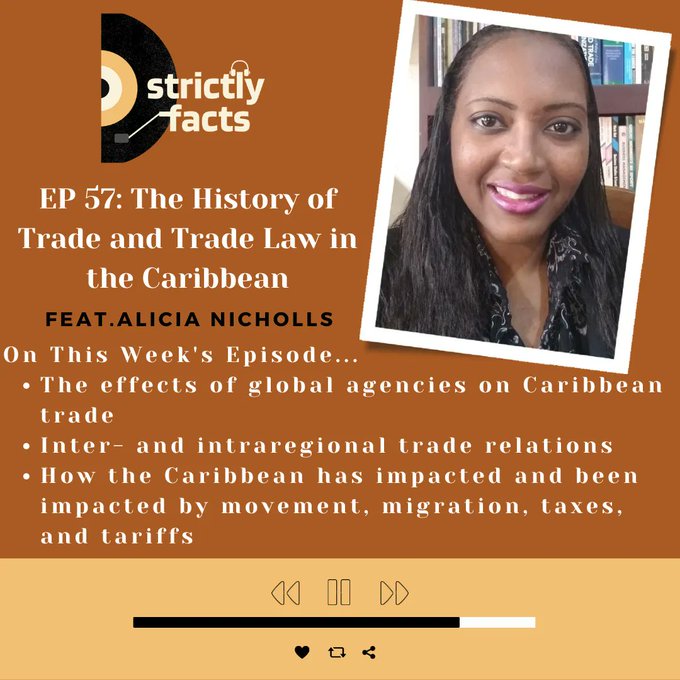
Strictly Facts Podcast Episode 57: I had the pleasure of being a guest on the Strictly Facts podcast where I spoke with Alexandria about the history of trade in the Caribbean and some contemporary Caribbean trade issues. Have a listen to the episode here!
My participation in the Barbados trade mission to Charleston. In April I was part of a trade delegation led by Invest Barbados and the Consulate of Barbados in Miami to Charleston, South Carolina. See the piece I wrote sharing my thoughts on Barbados-South Carolina trade following my participation in this trade mission! Read here.
THIS WEEK’SHIGHLIGHTS!
The six OECS WTO members had their fourth trade policy review this week. Read more here.
REGIONAL NEWS
Grenada resumes mango exports to US after lifting of 20 year ban
St Vincent TImes: The USDA’s Animal and Plant Health Inspection Service (APHIS) lifted an almost 20-year restriction on Grenada’s mango exports to the US. Read more
New Region 1 ferry to assist with export of fresh produce to Caricom states
News Source Guyana: The new ferry that will be plying the Georgetown to Region One route will also be used to ferry fresh produce and goods to Trinidad and Tobago and other Caribbean islands, the Government has announced. Read more
China/ Guyana trade in goods skyrockets to US$1.8B
Guyana Times: Trade between Guyana and China has been steadily increasing over the past few years and at the end of 2022, bilateral trade in goods skyrocketed to US$1.88 billion (or GY $397.5 billion). Read more
Over US1.9 billion in export earnings, STATIN
Jamaica Observer: Jamaica generated export earnings of just over US$1.9 billion, between January and December 2022. Read more
Bridgetown Initiative 2.0 Highlights Six Key Action Areas
MENAFM: The United Nations secretary-general and the prime minister of Barbados joined forces under the Bridgetown Initiative to address the immediate needs of countries facing debt distress and liquidity challenges, proposing a large-scale SDG Stimulus package to invest in the Sustainable Development Goals (SDGs), while stressing the need for reform of the international financial architecture. Read more
Commonwealth and Caricom Secretariat running entrepreneurial skills scheme for 300 Caribbean youths
The Commonwealth: Entrepreneurial young people in the Caribbean are encouraged to apply for a six-month scheme offering bespoke business training and mentorship. Read more
Cuba reaffirms unconditional relations with Caricom
Jamaica Observer: Cuba on Wednesday reaffirmed its “unconditional and selfless friendship” with the Caribbean Community (Caricom), describing the regional integration grouping as a “vital exceptional institution”. Read more
Call for founding fathers of Caricom to receive region’s highest award
Jamaica Observer: The chairman of the Dr Eric Williams Memorial Committee, Reginald Vidale, is calling for the founding fathers of the regional integration movement, Caribbean Community (Caricom), to be given the region’s highest award posthumously as it celebrates the 50th anniversary of the Treaty of Chaguaramas. Read more
INTERNATIONAL NEWS
AfCFTA: We need business support to succeed
African Business: At the first AfCFTA Business Forum in Cape Town, the secretary-general said that the initiative can only succeed if it finds new ways to include the private sector. Read more
Africa’s trade too low: AfCFTA chief
Zimbabwe Independent: Wamkele Mene, the man who heads a new trade bloc that is working to build seamless trade networks for Africa’s economies, said last week the region’s contribution to global trade and gross domestic product (GDP) was too low. Read more
At 435%: Intra-African Trade Tariff Too High – Okonjo-Iweala
Leadership: Director general, World Trade Organization (WTO), Ngozi Okonjo-Iweala, has said that the Intra African trade tariff is too high at 435 per cent and is detrimental to trade activities as well as the implementation of the African Continental Free Trade Area (AfCFTA). Read more
AfCFTA: Effective implementation and reforms to boost growth – IMF report
Africa News: successful African free trade area implementation could unlock major benefits for Africa in terms of income, jobs among other things, a report by IMF staff said. Read more
Afreximbank launches US$3 billion Country Programme with the Government of Kenya
AfriEximBank: The three-year Country Programme of up to US$3 billion will support viable trade and trade-related investments in Kenya in both the private and public sectors. The financing package will be implemented using several instruments, including loans, guarantee facilities, trade services, investment banking and advisory services. Read more
Sustainable trade, emerging tech to top next transatlantic summit’s agenda
Euractiv: The European Union and the US will strive to align on green tech, emerging technologies, and export control measures in a high-level meeting due later this month. The European Commission and the US administration are meeting on 30-31 May in Sweden for the fourth summit of the Trade and Technology Council (TTC), a platform for transatlantic alignment. Read more
Australia’s exports to China hit record high as relations thaw
CNN Business: Australia’s exports to China hit a record high in March, as Chinese buyers snapped up Australian commodities from coal to iron ore amid a thaw in bilateral relations. Read more
US trade deficit narrows sharply in March as exports rise
Reuters: The U.S. trade deficit narrowed sharply in March as exports increased, which could position trade to continue contributing to economic growth in the second quarter. Read more
Google, Amazon Lobbyists Helped US Shape New Indo-Pacific Trade Framework
FinancialPost: US trade officials have solicited the advice of lobbyists for Amazon.com Inc., Alphabet Inc.’s Google and other major technology companies to help craft the new Indo-Pacific trade framework. Read more
US trade officials concerned about China’s ‘economic coercion’ ahead of Apec trade meeting
SCMP: Christopher Wilson, assistant US Trade Representative, says US has ‘ongoing concerns about the misuse and manipulation of intellectual property’. Read more
33 Democrats urge ban on investor-state dispute provisions in all US trade deals
Reuters: Democratic U.S. lawmakers on Wednesday urged the U.S. Trade Representative and State Department to eliminate investor-state dispute settlement provisions from current and future trade deals and to intervene on behalf of Honduras against a U.S. company’s nearly $11 billion claim against the country. Read more
B.C. MP seeks ban on old-growth log exports by 2030
Northshore News: The motion, submitted by Liberal MP Patrick Weiler this week, aims to end old-growth logging on federal lands and halt the export of ancient logs and related products. Read more
India might lose its global rice market rank
Livemint: New Delhi: India’s rice exports are expected to decline in this financial year as the impact of export curbs starts showing. This may cause India to lose its position in the global trade market, exporters said. Read more
The Caribbean Trade & Development Digest is a weekly trade news digest produced and published by the Caribbean Trade Law & Development Blog. Liked this issue? To read past issues, please visit here. To receive these mailings directly to your inbox, please subscribe to our Blog below:


 Caribbean Trade Law and Development
You must be logged in to post a comment.